The Grand Spanish Tour
from $27,200 per person
Madrid guide
The stews and roasts of Castile, the vermouth hour, and some of Spain's most celebrated dining rooms.
By Ramin Jafari · Facts checked
Madrid eats cocido madrileño, a chickpea stew served in three courses, callos, the tripe stew of its taverns, and roast suckling pig from Segovia, with a vermouth at about one before lunch. Its cooking draws on Castile and La Mancha, and the rest of Spain’s table is here too, from the oldest restaurant in the world to the city’s only three-star. This guide covers the dishes, the tables we would point you to, the market and the wines around the city, with what we can arrange around each of them.

Slow stews and roasts from Castile and La Mancha, and the cooking of every other region of Spain besides.
Madrid has a cooking of its own, but its cooks have always looked to Castile and La Mancha. Its signature is cocido madrileño, a stew of chickpeas, vegetables and meats served, as a rule, in three courses: first the broth with fine noodles, then the chickpeas, potato and vegetables, and last the pork, hen and beef. Callos a la madrileña, cow’s tripe cooked in an earthenware pot, come to the table very hot. From Segovia comes cochinillo, the suckling pig roasted whole, raised on its mother’s milk alone and no more than three weeks old; since 2024 the Cochinillo de Segovia has been a protected geographical indication.
Some rituals belong to the calendar and the clock. The rosquillas de San Isidro, ring-shaped pastries, plain tontas or glazed listas, are eaten on 15 May, the feast of the city’s patron. And for a madrileño the vermouth hour, at about one, is sacred: a glass in a classic taberna, with tinned conservas or anchovies before lunch.
The capital also keeps the table of the rest of Spain: every region has its own restaurants here, so a week in Madrid can taste the whole country.
A selection, from a three-star tasting menu to the oldest dining room in the world. We can reserve these, and others, around your plans.
Hispanoamérica, Chamartín

Dabiz Muñoz’s restaurant, in the NH Collection Eurobuilding hotel north of the centre. The Guide calls the cooking hedonistic, fun and irreverent; it is served as one long tasting menu, the Kitchen of the Flying Pigs.
Almagro, Chamberí

Three brothers run it: Mario Sandoval in the kitchen, Diego in the dining room and Rafael in the cellar. The meal moves through the house, from the cocktail bar to the cellar and the kitchen before you sit down in the dining room, around Mario’s Madrid menu, which has a vegan and vegetarian version.
Palacio, on the Cava Baja

The classic Madrid table on the Cava Baja, in the house of the old Mesón El Segoviano, whose walls held the Posada de San Pedro. An easy walk from the Royal Palace and the Almudena, for a long lunch.
Sol, below the Plaza Mayor

The oldest restaurant in the world, by Guinness World Records’ count, on the Calle de los Cuchilleros, its floors keeping their 18th-century rooms. The roasts are done Castilian-style in the oven it has used since it opened. Pair it with a walk through the Habsburg streets around it, with a guide, on request.
Nueva España, Chamartín

A small bistro north of the centre, run by its chef, Sacha Hormaechea: one of the city’s reference restaurants, in the words of Madrid’s tourist board. A quieter evening, close to DiverXO’s part of town.
Market and wines
The city’s iron market for an aperitivo, and the wine regions around Madrid, for a tasting in town or a day out among the vines.
Palacio, by the Plaza Mayor

One of the city’s best examples of cast-iron building, a few steps from the Plaza Mayor. Its stalls sell food to eat on the spot, from fish and seafood off the Galician coast to cheeses from all over Spain. A popular stop, better for an aperitivo than a long lunch; we can arrange it with a food guide, on request.
Madrid, the Duero, Rueda and Rioja
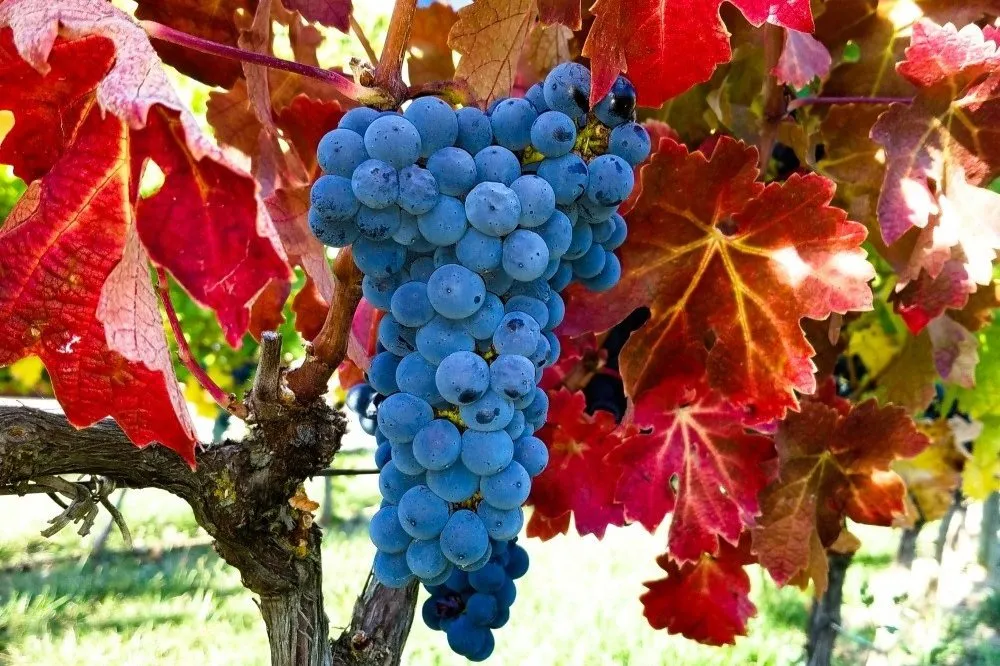
Madrid has its own denomination, Vinos de Madrid, in four sub-zones around the city: Garnacha in Navalcarnero, El Molar and San Martín de Valdeiglesias, whose vineyards climb the foothills at the eastern end of the Sierra de Gredos, Tempranillo in Arganda, and the white Albillo Real and Malvar. The city’s wine lists reach further, to the Tempranillo of the Ribera del Duero and of La Rioja, and to Rueda, best known for its white Verdejo.
A tasting with a sommelier in Madrid, or a day at a winery in San Martín de Valdeiglesias, can be arranged, subject to availability. For the regions themselves, see Spain’s wine regions and wine tasting in La Rioja.
from $27,200 per person
from $15,300 per person
When to go, where to stay, the food, the great museums and the palace, and three days in the city.
The Royal Palace and the Prado with a guide, the city's architecture and tables, and Toledo and Segovia.
Three days, day by day: where to stay, the Prado, the Royal Palace, the Retiro and the city's tables.
Season by season and month by month, with the festivals, the heat and the best months for each kind of trip.
Beyond Madrid: our culinary and wine tours across Spain, our guide to Spanish gastronomy, the best wine regions of Spain, and luxury hotels in Spain.
Tell us your dates and who is travelling. Everything else we can work out together.
Plan your Madrid trip Our Madrid page
Usually answered within one business day.