Late spring May and June
Long days and warm: highs of 20–23°C (68–73°F) in Paris and 21–25°C (70–77°F) in Nice, the countryside green and the Riviera's season beginning. Everywhere works.

France
Paris on its own, or a route south to the sea.
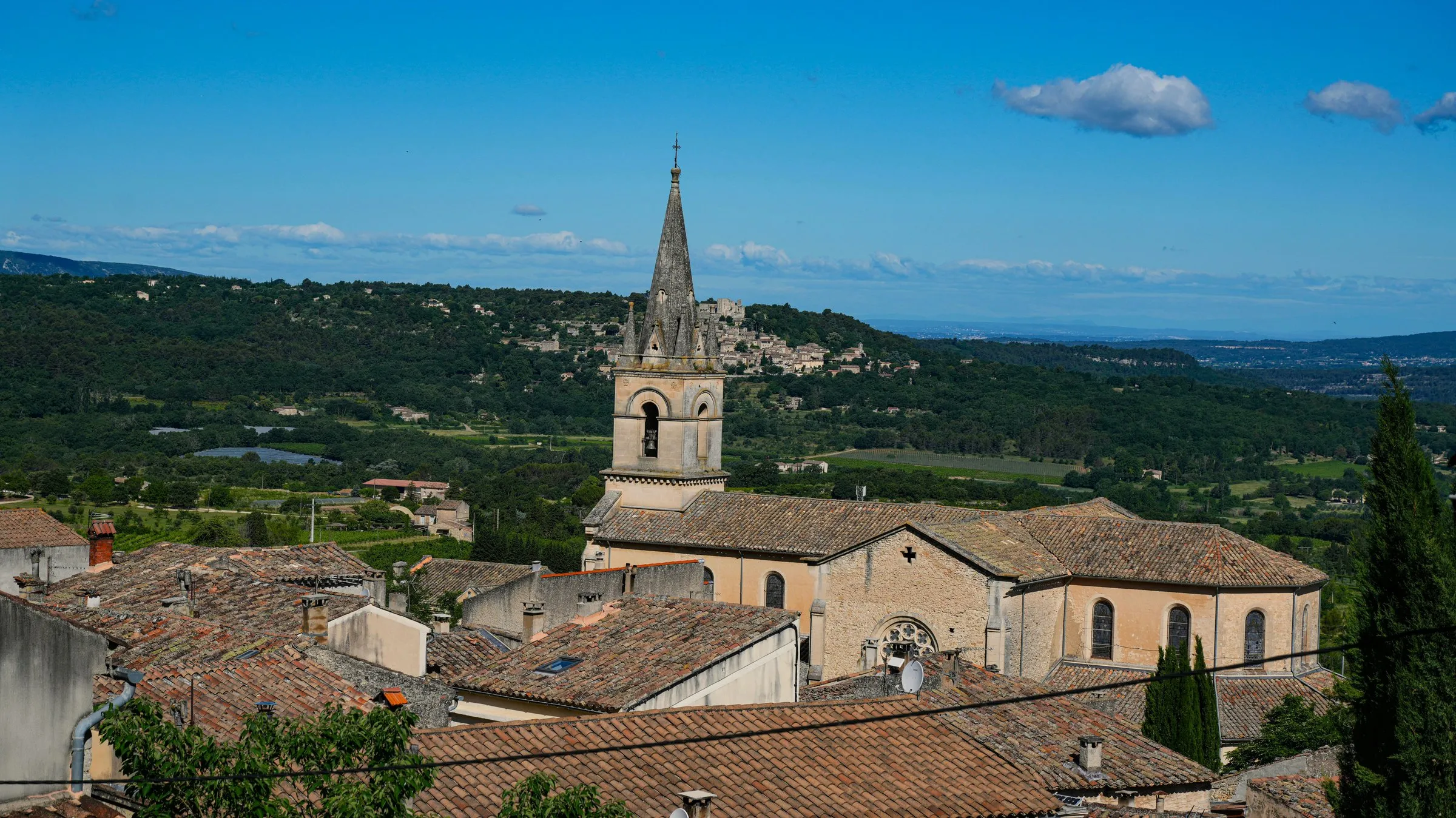
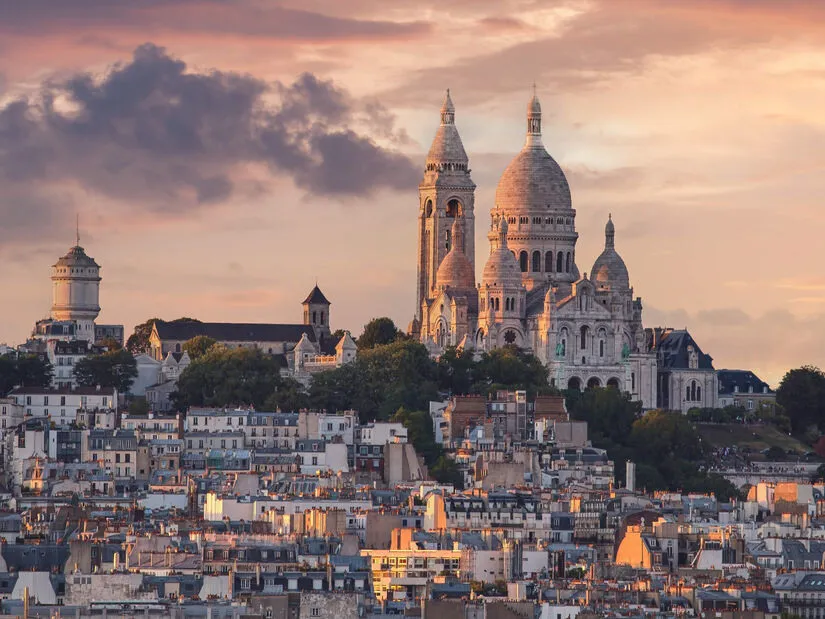
Paris from Montparnasse
France from its capital to its coasts: Paris and Versailles, the Riviera from Nice to Saint-Tropez, the hill villages and lavender of Provence, and the wine country of Champagne, Burgundy and Bordeaux. Avelia, based in Málaga, plans private, tailor-made trips to France.
A trip with us typically includes hotels, private transfers, guided days and restaurant reservations, and always support while you travel.
01Where to go
Paris, the French Riviera, Provence and Nice each open a page of their own. We arrange the others just as readily, and the note on each says what it is like.
Map data © OpenStreetMap contributors
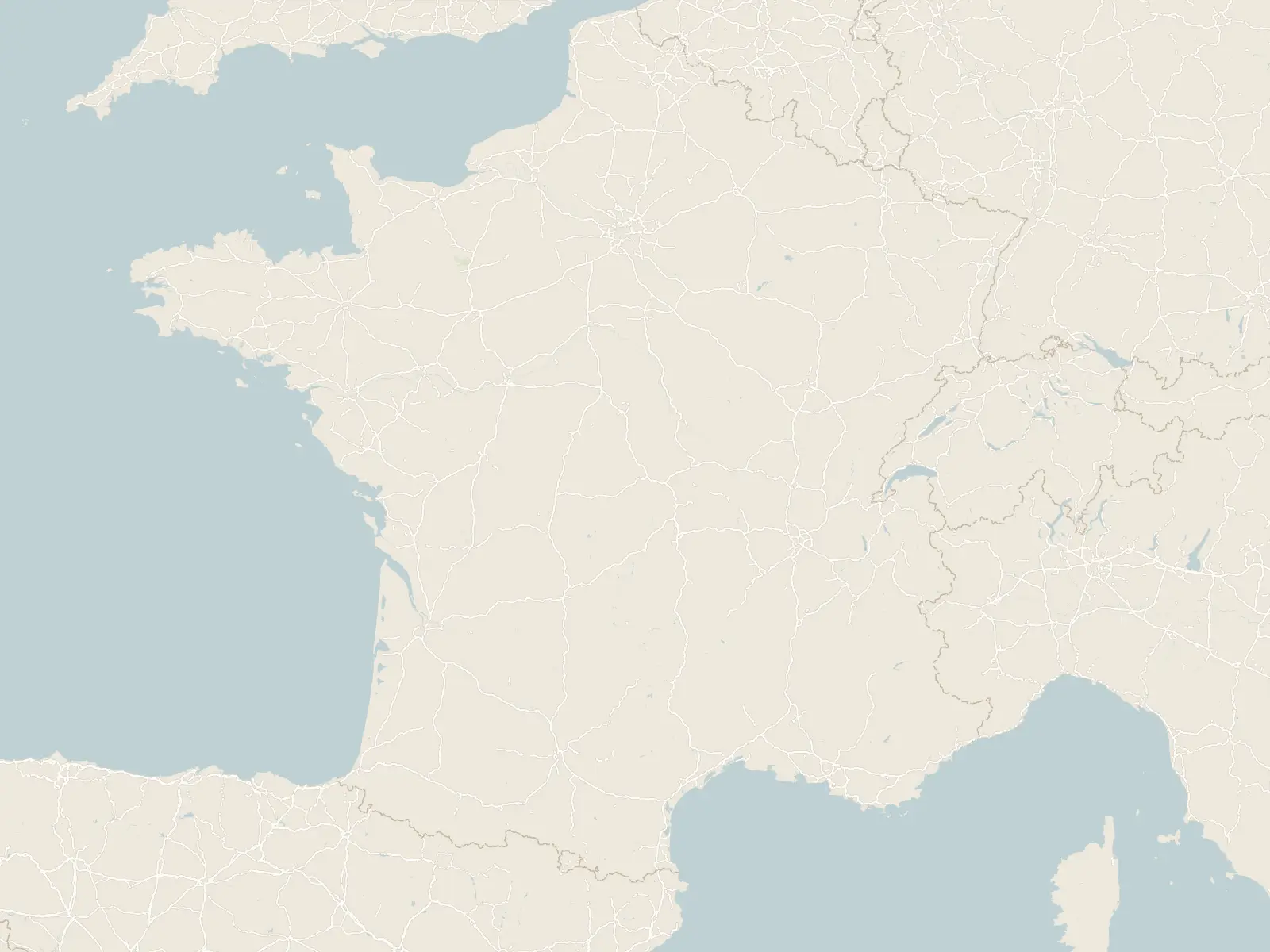
The map is mainland France, from the Channel to the Mediterranean. Each city is pinned where it stands, Normandy at its centre, and the coast, the hill villages, the vineyards, the châteaux and the mountains at Saint-Tropez, Gordes, Reims, Beaune, Amboise and Chamonix. Paris to Nice is about 690 km in a straight line, Paris to Bordeaux about 500.
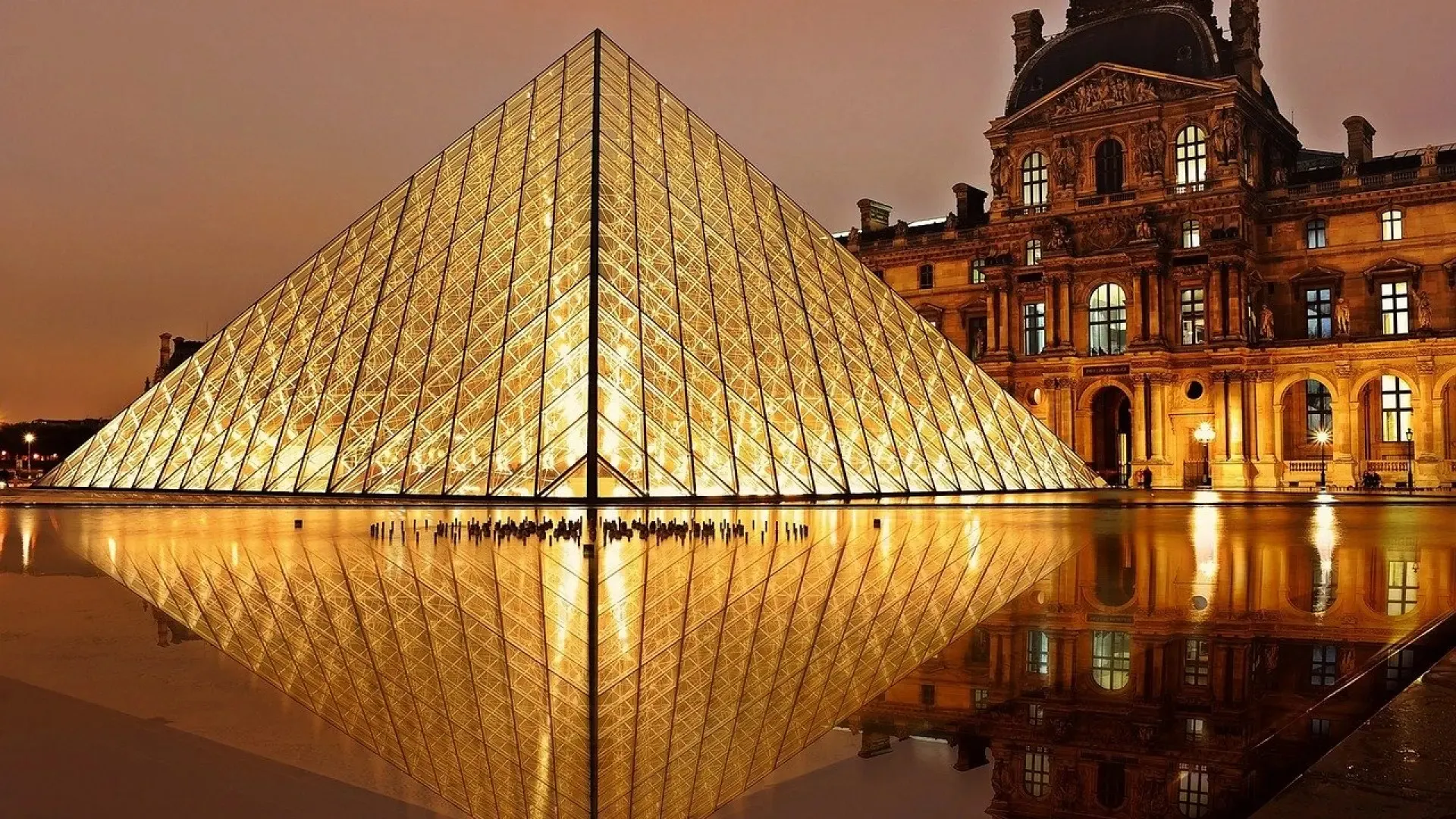 Paris The Louvre, the Seine, the Opéra and Versailles
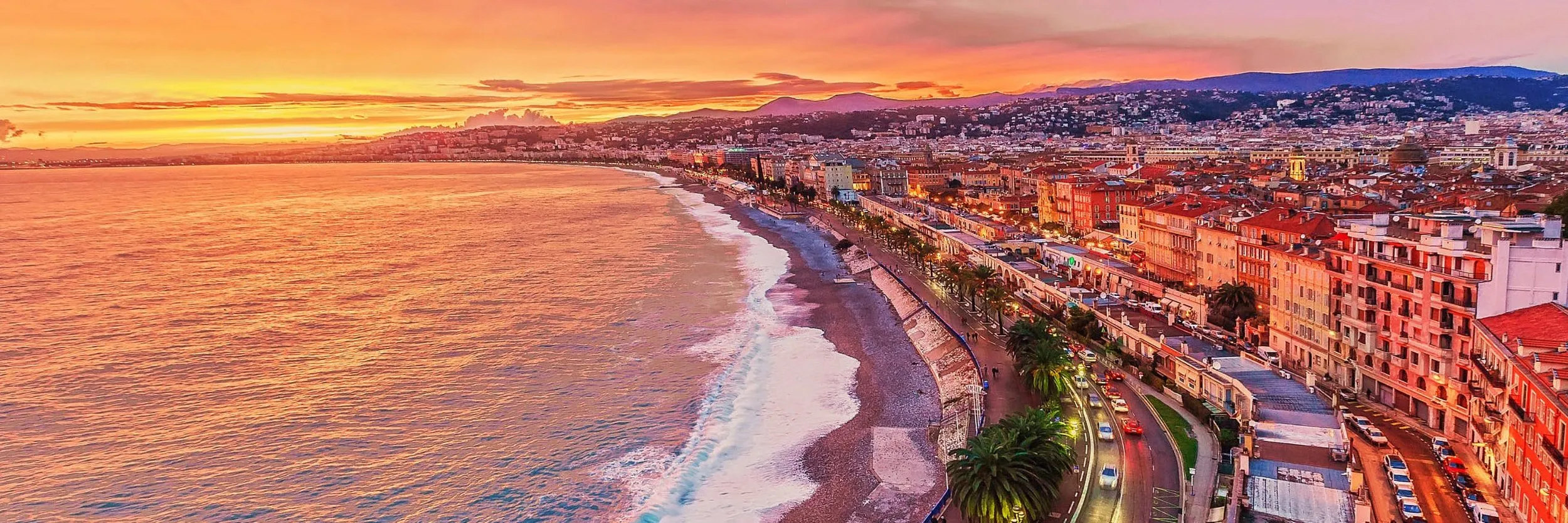 Nice The old town, the Promenade des Anglais and the bay
City
Lyon
The Romans' capital of the Three Gauls, its historic site on the World Heritage List since 1998, and a city that eats seriously, from its bouchons to its markets; under two hours from Paris by TGV. Best for food, and as a stop on the way south to Provence or east to the Alps.
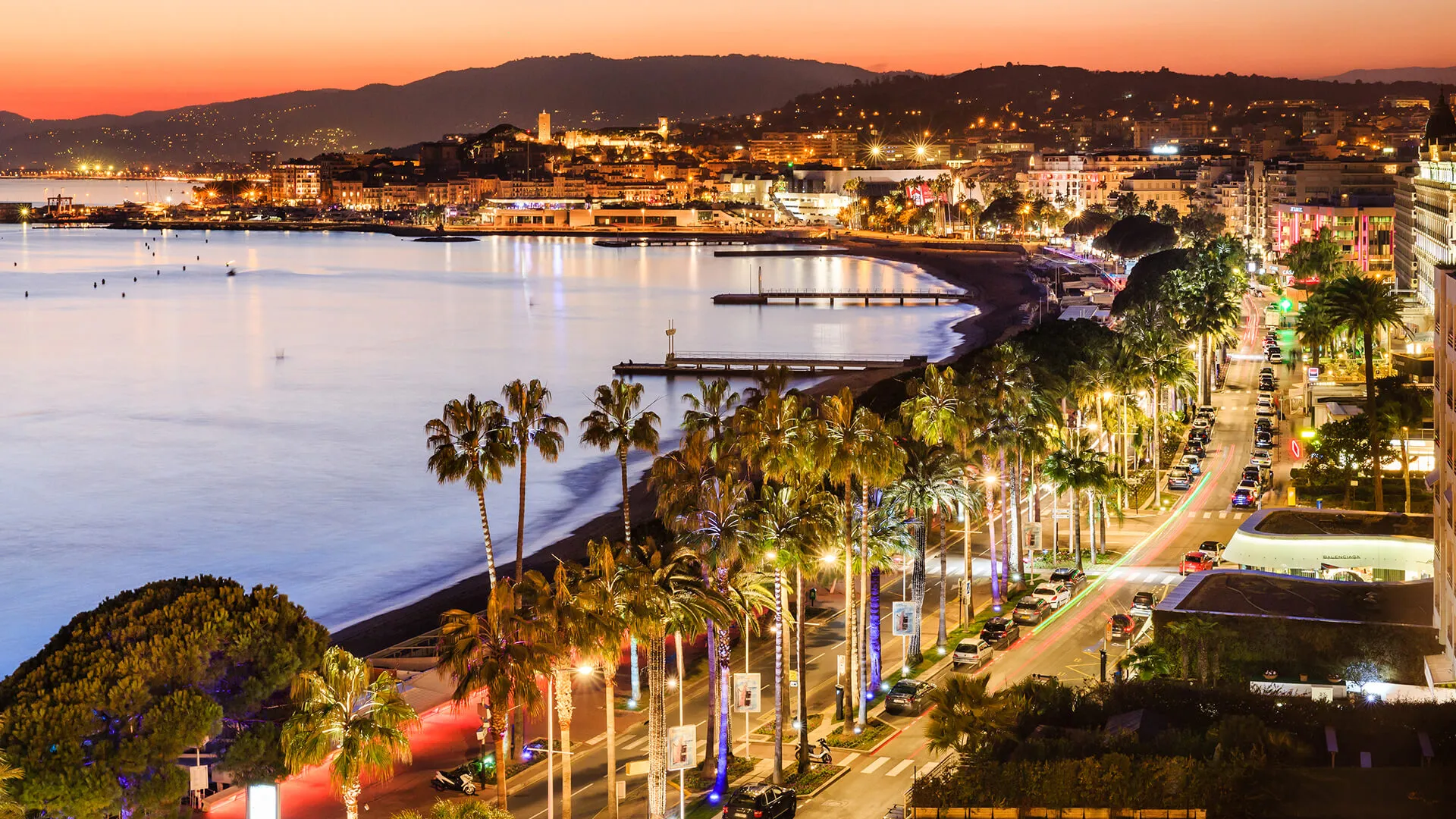 The French Riviera Cannes, Antibes, Èze and Saint-Tropez by the sea
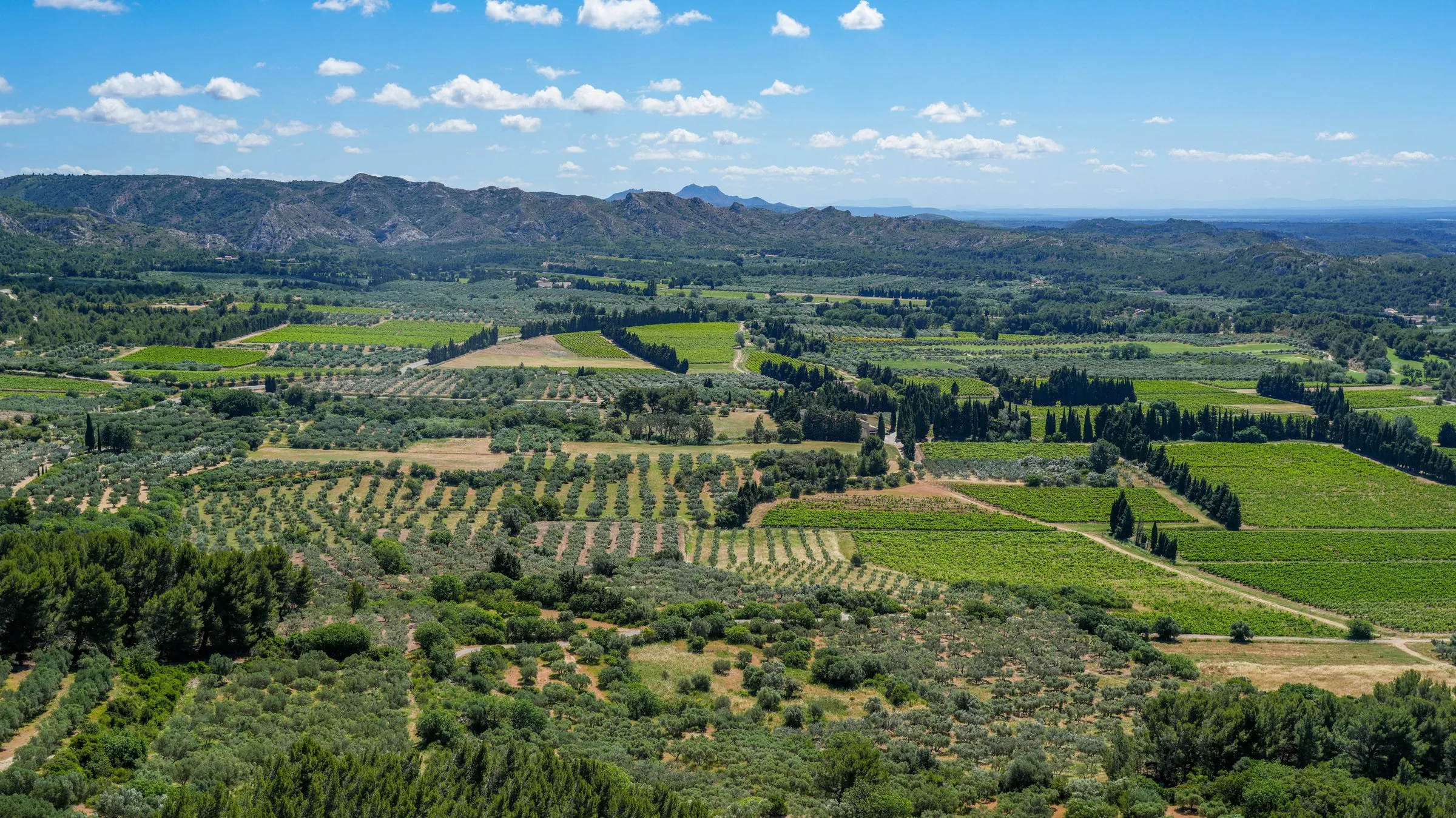 Provence Hill villages, lavender, Arles and the Popes' Avignon
Region
The Loire Valley
The valley of the châteaux, a cultural landscape of towns, vineyards and royal houses along the river, on the World Heritage List since 2000. Best for two or three days from Paris, by road or from a balloon.
Region
Normandy
Mont-Saint-Michel on its islet in a bay of tides, on the World Heritage List since 1979, and the D-Day beaches, about 80 km of coast listed in 2026. Best for history, and for two or three days from Paris.
Region
The French Alps
Chamonix beneath Mont Blanc, where the mountain guides have worked since 1821: walking and the high peaks in summer, snow in winter, and the massif from a helicopter. Best for the mountains after the cities, or a winter week of its own.
Wine region
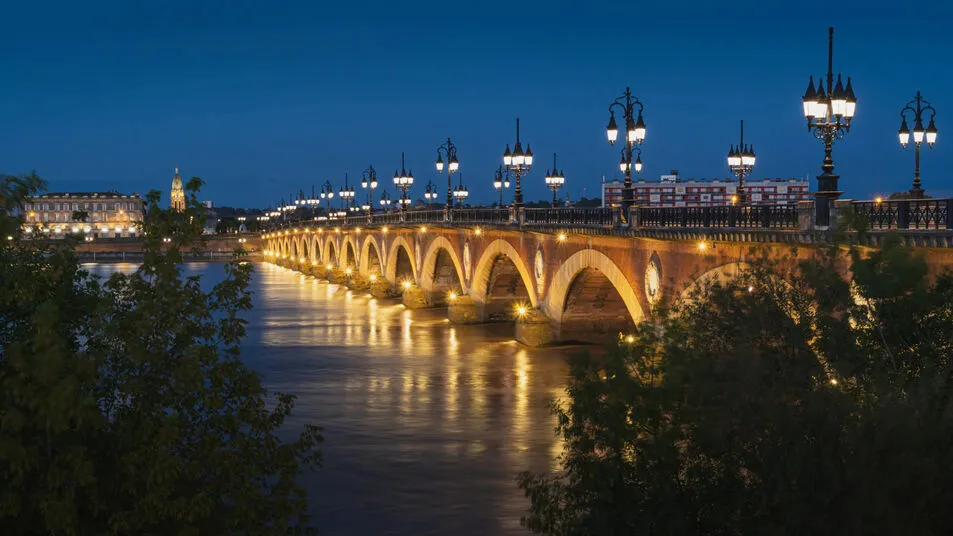
Bordeaux
An 18th-century city of pale stone on the Garonne, on the World Heritage List since 2007, with the Cité du Vin, open since 2016, and the châteaux of its vineyards around it; two hours from Paris by TGV. Best for wine, and for a city worth a stay of its own.
Wine region
Champagne
Where sparkling wine was made to ferment in the bottle: the houses' chalk cellars in Reims, the Avenue de Champagne in Épernay and the hillside vineyards above them, on the World Heritage List since 2015. Best for a day or two from Paris.
Wine region
Burgundy
The Côte de Nuits and the Côte de Beaune south of Dijon, where the vineyard is known parcel by parcel — the climats, on the World Heritage List since 2015 — with Beaune and its cellars at their heart. Best for wine taken seriously, and as a stop between Paris and Lyon.
02Inspiration
Each of these is arranged privately for your dates, subject to availability.
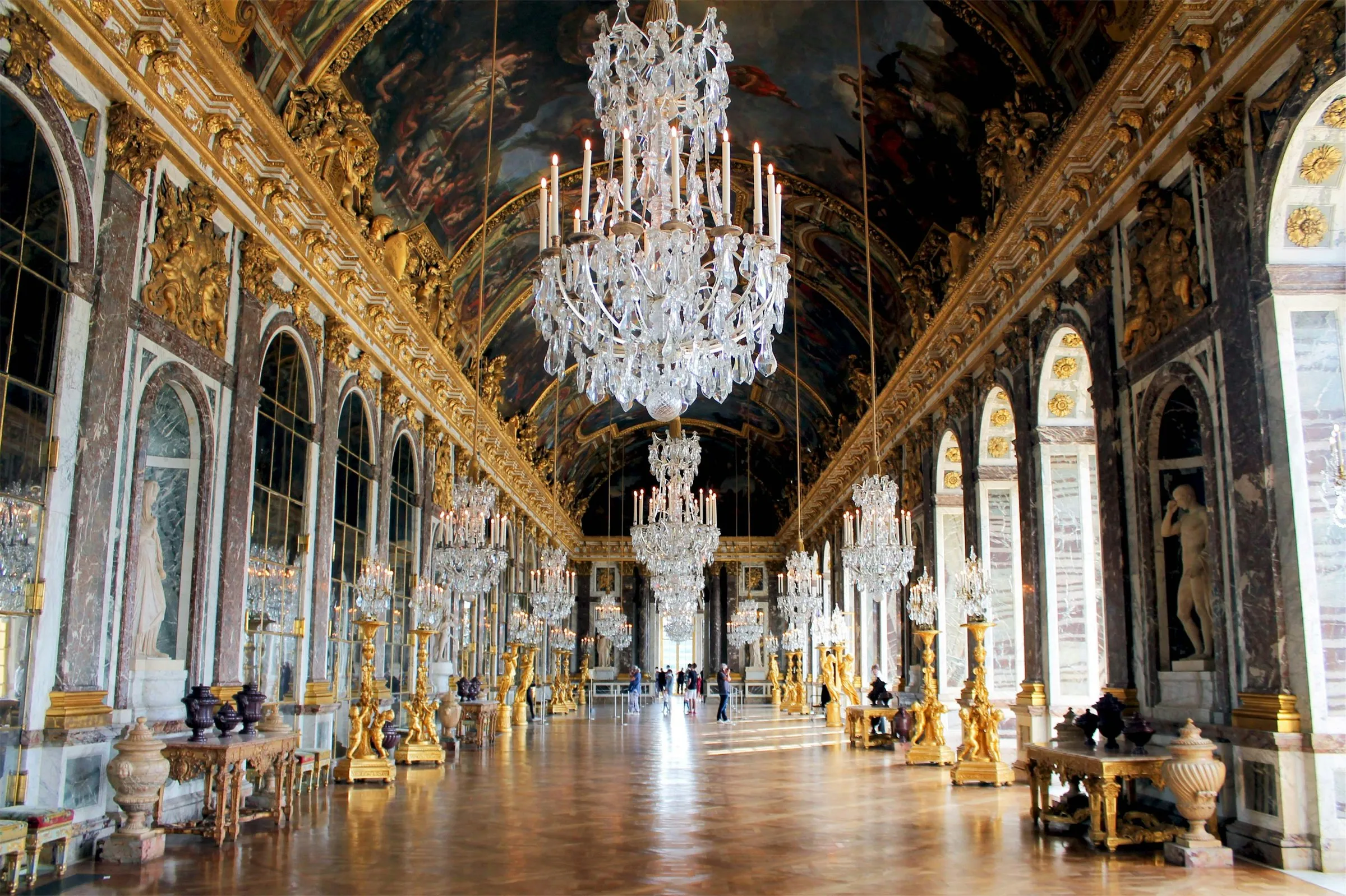
The Louvre, Versailles and Fontainebleau with a guide who knows them, Montmartre on foot, an evening at the Opéra, and the Roman monuments of Provence.
Champagne in the houses’ own cellars, the châteaux of Bordeaux and the climats of Burgundy with the people who make the wine, truffles in Provence, and cooking classes in Paris and Lyon, with the tables reserved for you.
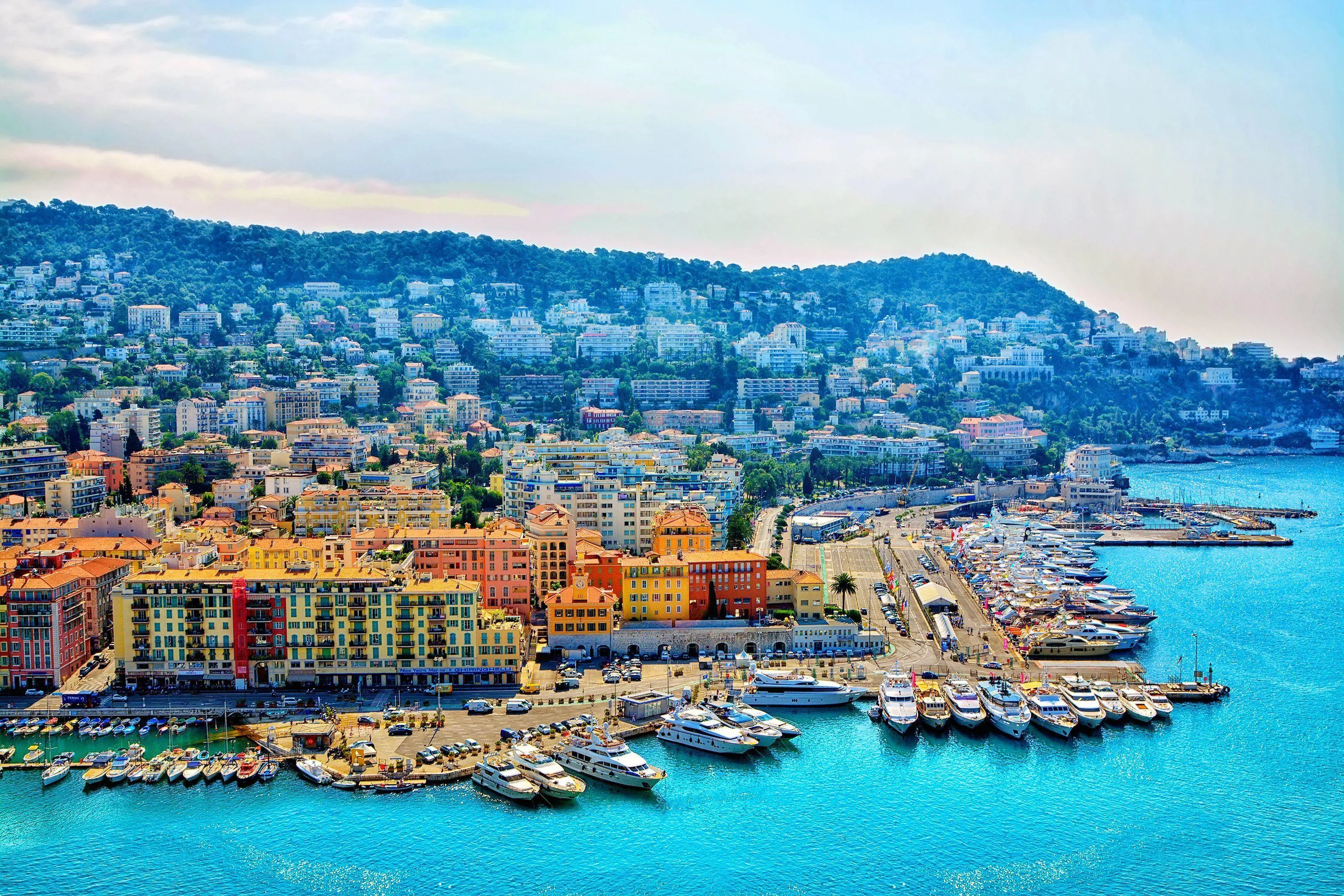
A day on the water off the Riviera, Mont Blanc from the air, walking with a mountain guide, a balloon over the Loire, the D-Day beaches, and a ride through the lavender.
03Seasons
Long days and warm: highs of 20–23°C (68–73°F) in Paris and 21–25°C (70–77°F) in Nice, the countryside green and the Riviera's season beginning. Everywhere works.
The Riviera's season and the Alps' walking months: Nice averages 28°C (82°F), Paris a gentler 26°C (79°F).
Heat: Inland Provence averages highs of 32°C (90°F) in July and August. Take the mornings and the evenings there, and the afternoons by the water or in the shade.
The other best season: Paris eases from 22°C (72°F) to 17°C (63°F) and Nice from 25°C (77°F) to 21°C (70°F), and the wine country is in harvest.
Cool in Paris, with January highs of 8°C (46°F) and the museums at their quietest; mild on the Riviera at about 13°C (55°F); snow in the Alps. Both reach 17°C (63°F) by April.
EventsNice's Carnival: two weeks of parades by day and night and battles of flowers, in the weeks before Lent.
04Shape your trip
Each route is a starting point, tailored to you, and any of them can run on into Spain or Italy.
4 days
7 days
5 days
05Planning with Avelia
We start with which parts of France, and in what order — Paris and the regions by fast train, the coast and the countryside by road — then choose the hotels, and only then fill the days. Ramin Jafari plans it from Málaga, where Avelia is based, and is your contact until you are home.
Tell us your dates, who is travelling and the pace you like, and whether Spain or Italy belong in the same journey.
Before any payment, we send a written proposal with a quoted trip price and what it includes — such as a grand hotel in Paris, the TGV between the cities, and the Louvre and Versailles booked ahead — and refine it with you.
Once you approve the proposal and complete the agreed booking requirements, we confirm your arrangements. We coordinate the details and support you while you travel.
Financially protected. Your payments for a package trip are covered against our insolvency by a guarantee with AXA. Plan with peace of mind
Your proposal sets out the arrangements included in your trip.
06Questions
Every trip is priced individually. After discussing your plans, we prepare a tailored proposal with a quoted trip price and a clear outline of what is included.
A week to ten days suits a first trip: Paris and one region, each given time. Four or five days do Paris well on its own, and a week does Provence or the Riviera. Our sample routes above run from four days to seven, and our Paris and Provence journey takes ten.
May and June, and September and October, suit almost the whole country: Paris averages highs of 20–23°C in late spring and Nice 21–25°C. July and August are the Riviera’s season and the hottest weeks inland, where Provence averages 32°C. Winter is for Paris’s museums and the Alps’ snow, and Nice stays mild, at about 13°C in January.
Yes. We plan all three, and a journey that begins in one and ends in another is common — Paris and then Barcelona, or the French Riviera before the Italian lakes. Our Spain and Italy pages set out where to go in each, and all our destinations are on one page.
All of it. Paris, the French Riviera, Provence and Nice have pages of their own here; we arrange Lyon, the Loire Valley, Normandy, the Alps, Bordeaux, Champagne and Burgundy just the same, and beyond them the Pyrenees.
The ones we would choose ourselves, and not only those. In Paris, see where to stay in Paris: among the hotels there are the Ritz Paris, the Hôtel Plaza Athénée, Cheval Blanc Paris, Le Bristol and the Four Seasons Hotel George V. On the Riviera and in Provence, we choose from hotels, country houses and villas, matched to you.
By TGV between the cities: from Paris, Lyon is under two hours, Bordeaux about two, Avignon around three hours and Marseille about three. Nice is five and a half hours by train, so the Riviera is often a short flight. In Provence, the Loire and the wine country, a private driver. We arrange each leg.
It is not compulsory, but we strongly recommend comprehensive travel insurance from the moment you book, covering cancellation, medical expenses, assistance and repatriation, and we ask each traveller to confirm in writing whether they have taken out cover. Plan with peace of mind explains how it differs from the guarantee that protects your payments.
France is in the Schengen area. Citizens of the United States and the United Kingdom do not need a visa for tourism for stays of up to 90 days in any 180-day period. Longer stays, or travel for work, study or residence, need a visa arranged in advance. Visa-free visitors also meet the EU’s Entry/Exit System, which since April 2026 registers fingerprints and a photograph at the border in place of a passport stamp, and will need ETIAS, an online travel authorisation the EU is introducing; the EU’s own travel-europe.europa.eu page gives its current status. Check your own nationality’s requirements before you book.
Both. We plan complete trips, and we also arrange a stay on its own: a hotel matched to you, with transfers, a guide or a few reservations added if you wish.
Avelia suits travellers who want a private, well-paced trip planned around them: the right places in the right order, hotels chosen for them, guides who know the ground, tables and tickets taken care of, and one point of contact from the first conversation until they are home.
A week to ten days in France, or four or five days for Paris on its own: tell us your dates and who is travelling.
Usually answered within one business day.