Canary Islands · Spain

Luxury travel in Gran Canaria

Dunes and a long sunny coast in the south, the old quarter of Las Palmas in the north, and between them the highlands, where Roque Nublo stands over ravines and pine forest. Avelia plans private, tailor-made time in Gran Canaria, as a stay of its own or as part of a wider journey.

Gran Canaria at a glance

Recommended stay
Five to seven nights: the south coast, the highlands and Las Palmas
Best seasons
Mild all year; March to May and September to November are best
Getting there
Gran Canaria airport (LPA), 18 km from Las Palmas, 25 km from the south
Best for
The dunes and the beaches, old Las Palmas, the highlands, the villages
In a wider trip
Tenerife is 80 minutes by fast ferry; the other islands a short flight
UNESCO
Risco Caído World Heritage since 2019; a biosphere reserve since 2005
Plan your Gran Canaria trip

On this page

  1. Experiences
  2. Hotels
  3. When to go
  4. Itineraries
  5. Planning
  6. FAQs
Plan your Gran Canaria trip

01Inspiration

Experiences in Gran Canaria

Each of these is arranged privately for your dates, subject to availability.
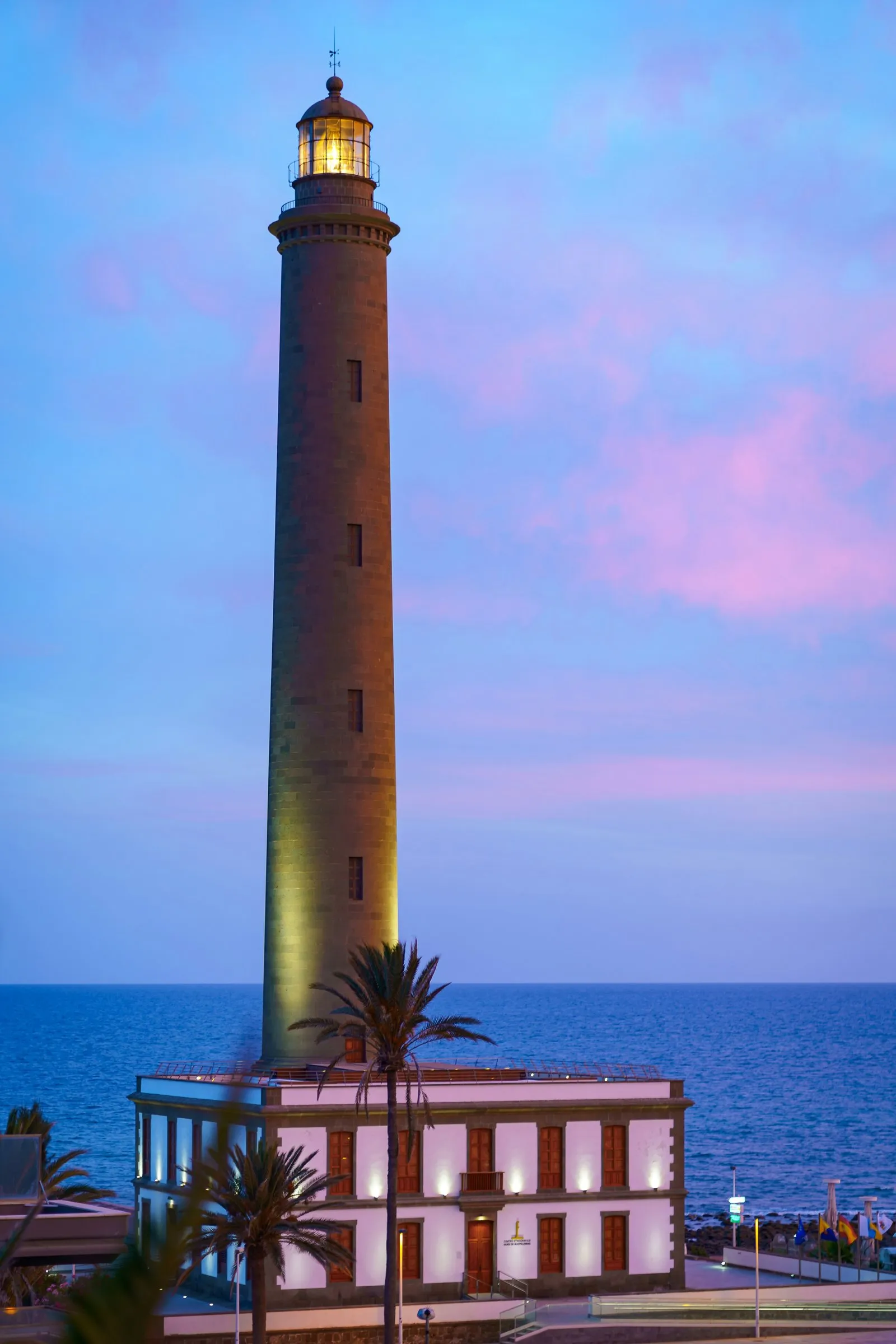
  • A tall stone lighthouse lit at dusk above a white two-storey house with brown shutters, palms in front and the sea behind under a pink sky

    The south: dunes, lighthouse and harbour

    A walk through the Maspalomas dunes early in the day, the lighthouse at dusk, the harbour at Puerto de Mogán, and a day on the water.
    More of the south
    • The Maspalomas dunes — a special nature reserve of 403.9 hectares of sand on the island’s southern tip, with La Charca, the lagoon at its edge where birds nest. The paths through it are marked, and we keep to them.
    • The lighthouse — the Faro de Maspalomas, first lit in 1890 and designed by the Gran Canarian engineer Juan de León y Castillo: a stone column of more than fifty metres over the house at its foot, protected as a monument since 2005.
    • Puerto de Mogán — a small harbour on the south-west coast, white houses and bougainvillea along the water, for a long lunch by the boats.
    • A private boat — a skipper for the day along the south coast, with time to swim.
    • Quiet days — a spa afternoon, a table by the water, and nothing else arranged.
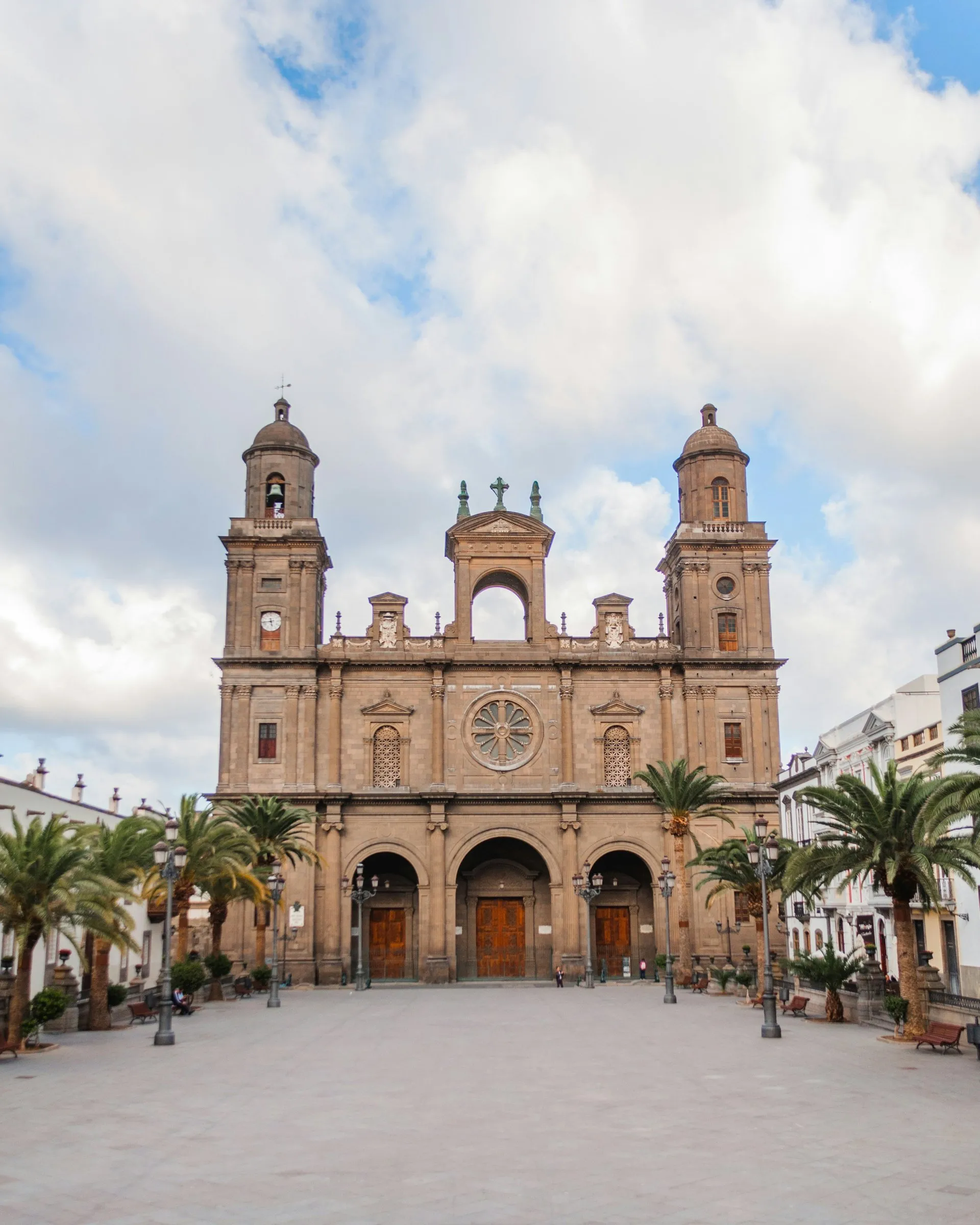
  • The stone front of the Cathedral of Santa Ana, two domed bell towers and three arched doors, over a wide paved square lined with palms

    Las Palmas and the old towns

    Vegueta, where the city began in 1478, the Casa de Colón, three kilometres of Las Canteras, and the balconied streets of Teror and Agüimes.
    More of the city and the towns
    • Vegueta — the quarter where Las Palmas began, as a military camp founded on 24 June 1478. The Cathedral of Santa Ana, begun in 1497 and built over several centuries, is Gothic inside and neoclassical on its front.
    • The Casa de Colón — the island’s museum of the Canaries and the Americas, in the old governors’ house; Columbus put in at Gran Canaria in 1492, on his way west, to repair a rudder on one of his ships.
    • Las Canteras — the city’s beach, three kilometres of promenade from the Alfredo Kraus Auditorium to La Puntilla, its water kept calm by La Barra, a limestone reef more than 100,000 years old.
    • Teror — the basilica of the Virgen del Pino, the island’s patron, begun in 1767, in a town of carved Canarian balconies, known too for its sweet black pudding and its chorizo.
    • Agüimes and Guayadeque — an old town around the neoclassical church of San Sebastián, and above it the ravine of Guayadeque, with the cave village of Cueva Bermeja and restaurants cut into the rock.
    • Cheese and wine — the flower-curdled cheese of Guía, which has its own protected designation, and the wines of the DO Gran Canaria, which covers the whole island; tastings are arranged at the estates themselves.
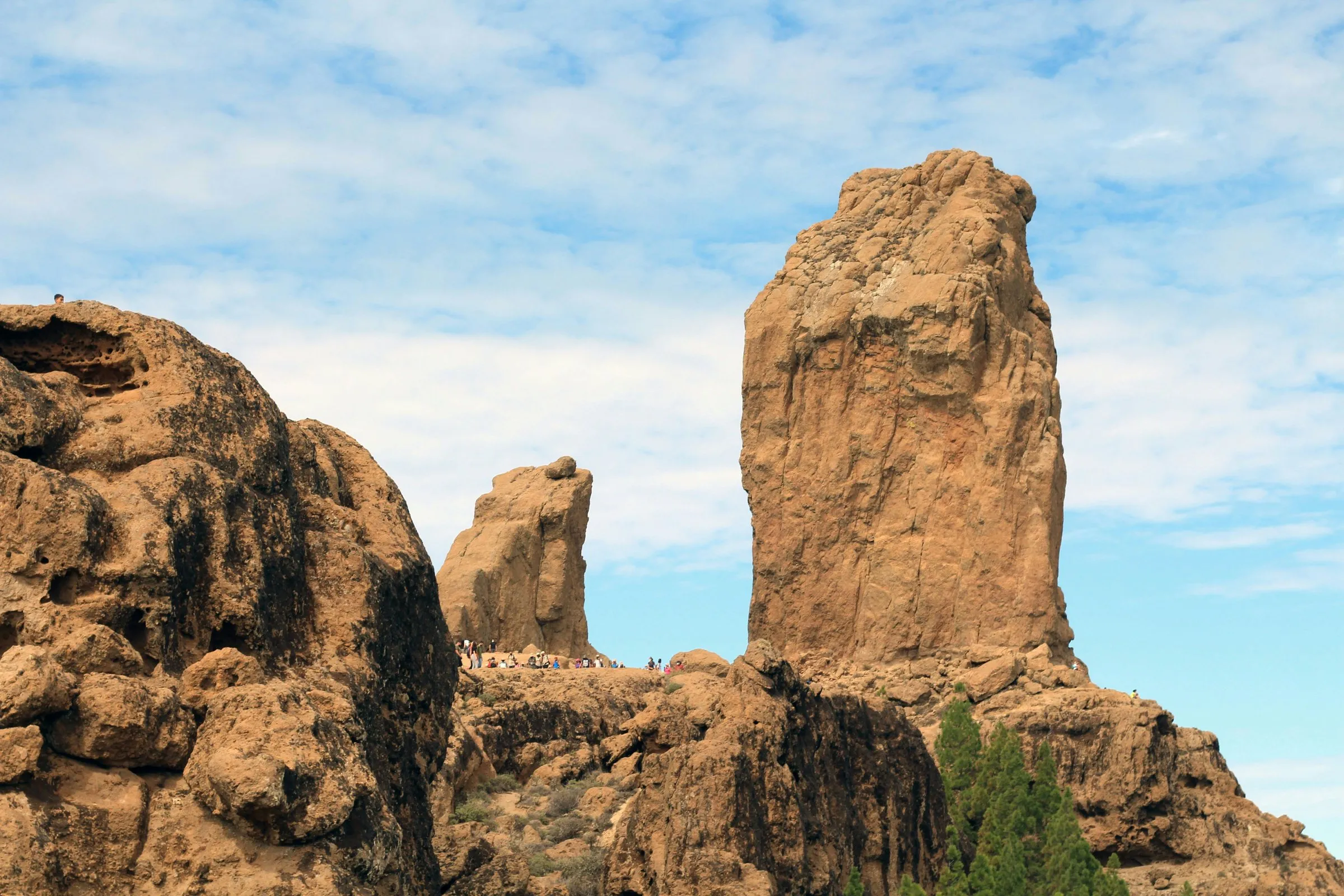
  • The tall ochre rock pillar of Roque Nublo on a rocky summit, a smaller rock beside it and boulders and pines in front, under a pale blue sky

    The highlands

    Roque Nublo and the caldera of Tejeda, the cave sites of Risco Caído on the World Heritage List, and pine forest in a biosphere reserve.

    More of the mountains
    • Roque Nublo — a basalt monolith more than 70 metres tall, standing at 1,813 m in the caldera of Tejeda. Access to it is controlled, and we reserve the walk for you.
    • Risco Caído and the sacred mountains — on the World Heritage List since 2019: cave dwellings, granaries and two sacred temples, Risco Caído and Roque Bentayga, left by the islanders who lived here in isolation from around the start of our era until the 15th century.
    • The biosphere reserve — 43 per cent of the island’s land, across its centre and south-west, a UNESCO biosphere reserve since 2005: deep ravines, rock massifs, cliffs of more than 1,000 m and Canary pine forest.
    • Tejeda — a village at 1,050 m among almond trees, known for its almond pastries and named one of the prettiest villages in Spain in 2015; the Pico de las Nieves, at 1,949 m, is above it.
    • A day with a guide — the caldera, the cave sites and the pine forest with someone who knows the paths, and lunch in a village after.

02Featured hotels

Where to stay in Gran Canaria

A selection of hotels we recommend on Gran Canaria, both at Maspalomas on the south coast. We can also arrange other properties to suit your preferences and travel plans.

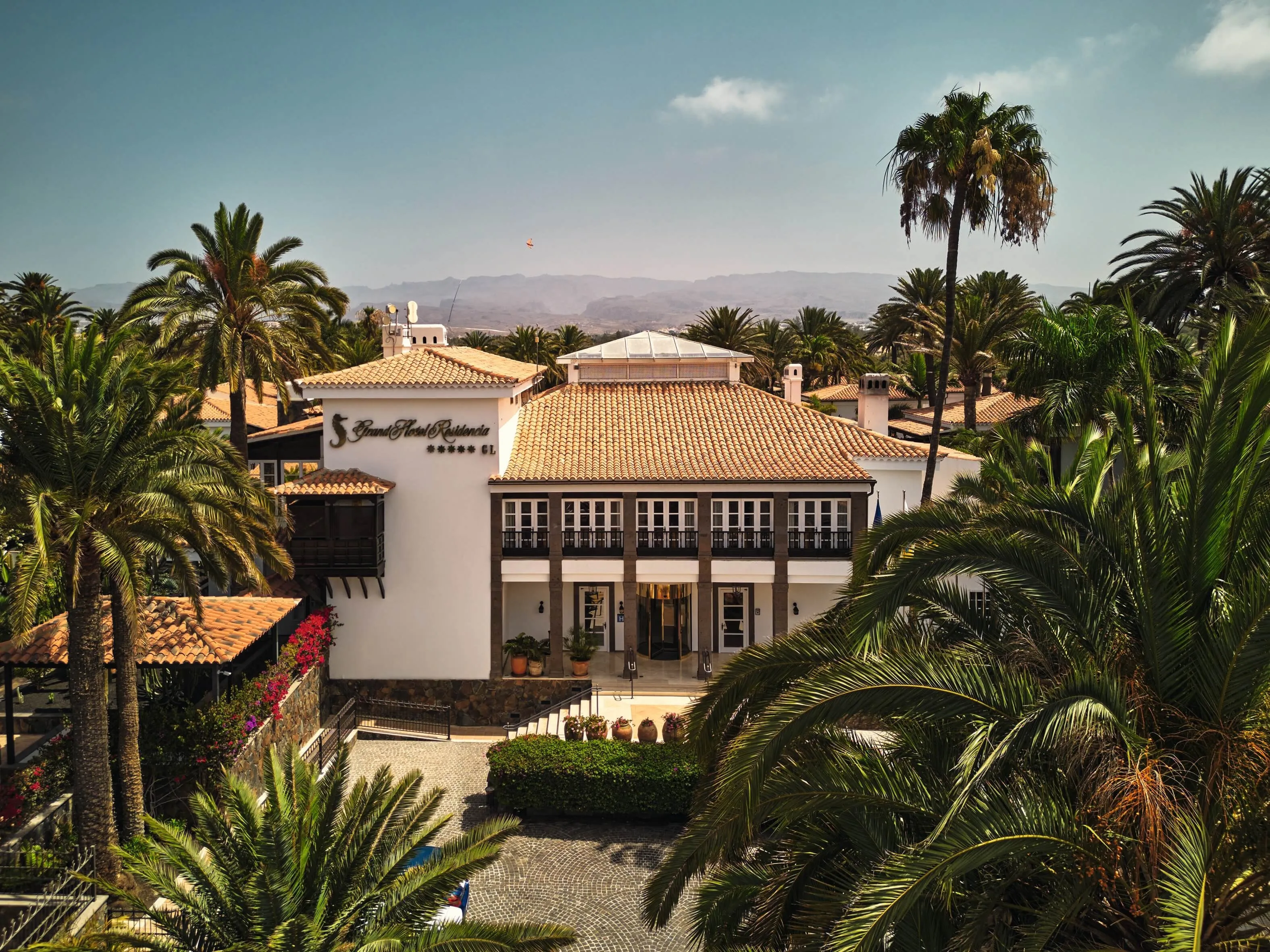
  • The hotel's main house seen from above across palm crowns: a white building with a terracotta roof, a glazed lantern, dark stone pillars and wooden balconies over the entrance, a paved forecourt, Gran Canaria's mountains in haze behind

    Maspalomas

    Grand Hotel Residencia

    A Gran Lujo hotel of colonial villas around a palm garden at Maspalomas, five minutes' walk from the dunes, with two heated saltwater pools and a spa.
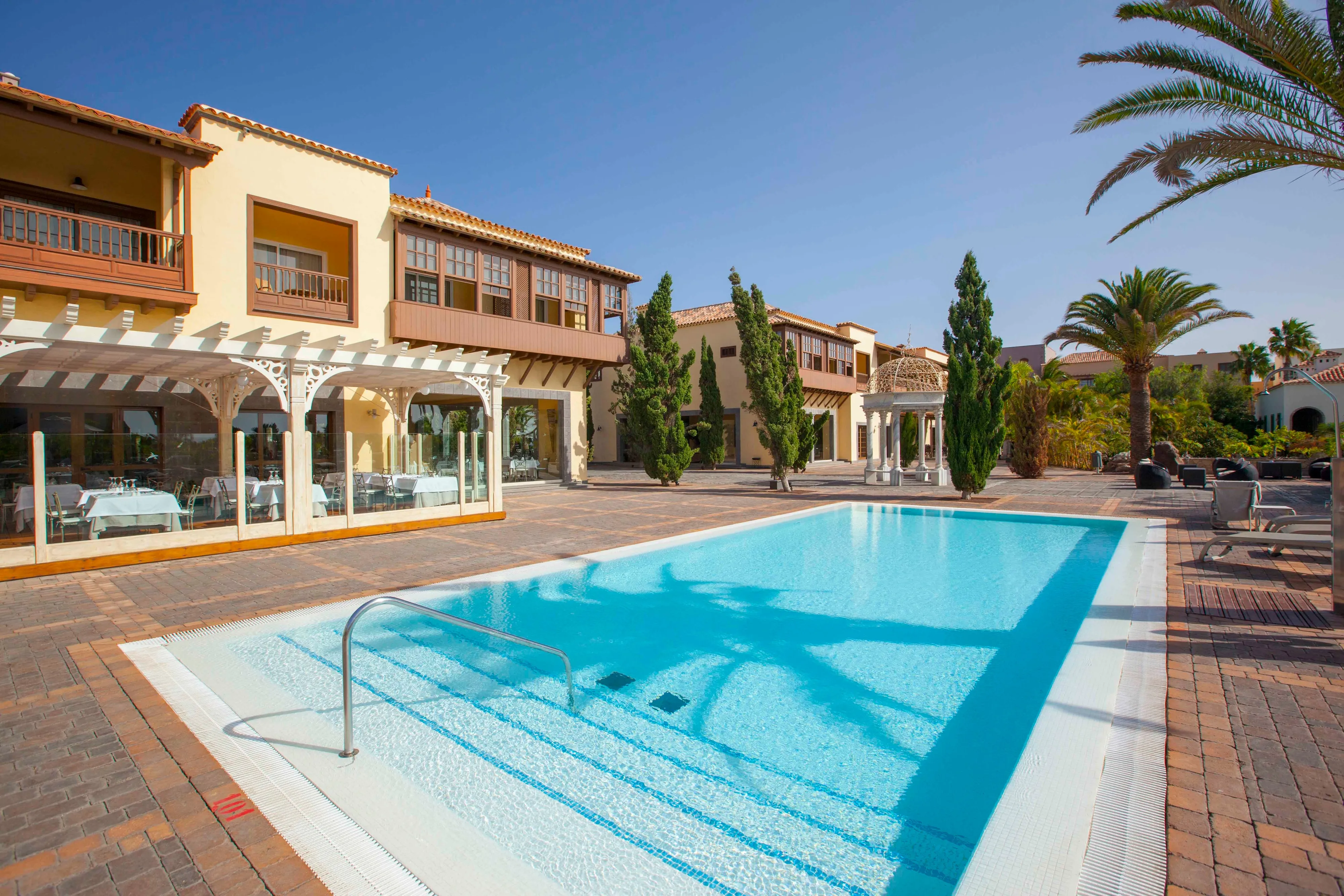
  • The Arcos pool: a long rectangular pool on terracotta paving, ochre two-storey houses with dark-wood Canarian balconies and a white pergola behind it, cypresses, a white domed gazebo and palms under a clear sky

    Meloneras

    Villa del Conde

    A five-star resort of 561 rooms built as a Canarian village in Meloneras, with six pools, a Mini Club and the Om Thalasso — the Gran Canaria base for families.

Our featured Gran Canaria hotels, side by side
Grand Hotel ResidenciaVilla del Conde
AreaMaspalomasMeloneras
SettingColonial-style villas in a palm garden at Maspalomas, near the dunesA resort built as a Canarian village on the Meloneras coast, by the promenade
Star categoryFive-star Gran LujoCinco Estrellas
Rooms93561 rooms and suites
BeachAbout five minutes' walk to the dunes and the beach of MaspalomasNot confirmed
PoolTwo heated saltwater pools: the main pool and a wellness poolSix outdoor pools: one saltwater, one for adults, two made for children
Spa and wellnessSpa with sauna, steam bath and salt cave; seven treatment rooms; outdoor gymOm Thalasso, 1,200 m², adults over 18; gym, yoga and pilates
DiningThe restaurant and its terrace, Pool Bar, Piano Bar; dinners at Seaside Palm BeachOVO, Alpendre and La Plaza; the Zythum, Akoran and Azotea bars

Facts from the hotels' official websites and official tourism sources, checked 23 October 2026. A dash means we have not confirmed that detail.
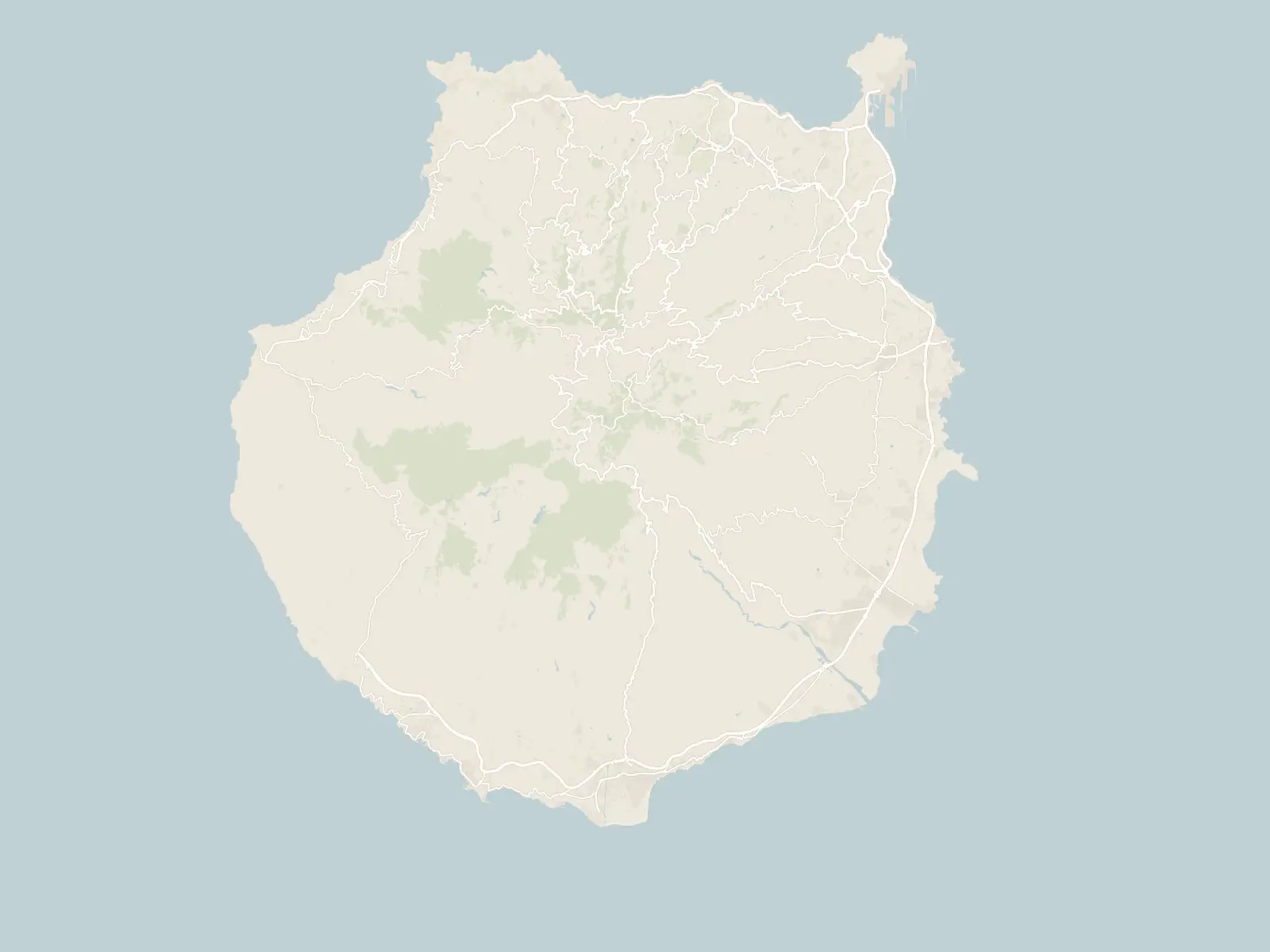
Featured hotels on the map

Map data © OpenStreetMap contributors

03Seasons

When to go

Spring March to May

Warm and drying out: highs rise from about 22°C (72°F) in March to 24°C (74°F) in May, and rain is all but gone by May. The best months for the highlands.

Summer June to August

Hot, dry and sunny: highs of 25°C (78°F) in June and 28°C (82°F) in August, and no rain to speak of. The season for the beaches and the water.

Autumn September to November

Warm and settled: highs ease from about 27°C (81°F) in September to 24°C (76°F) in November, and the first light rain returns in October.

EventsThe Fiesta del Pino in Teror, each September, with the 8th, the Día del Pino, its main day: a festival of national tourist interest since 2026.

Winter December to February

A mild winter: highs of 21–22°C (70–72°F), about half the year's little rain — some 80 of 151 mm — falling now, and still some six hours of sun a day.

EventsThe carnival in Las Palmas, in the weeks before Lent: a festival of international tourist interest since 2023.

04Shape your trip

Routes and itineraries

Each route is a starting point, tailored to you.

  1. 4days

    Sun and summits

    Places
    Maspalomas, with a day in the highlands
    Suits
    A short stay built around the south coast, with one long day inland
    What the route includes
    • An early walk on the marked paths through the Maspalomas dunes
    • Sunset at the Maspalomas lighthouse
    • Roque Nublo, Tejeda and the caldera with a private guide
    • Lunch by the harbour at Puerto de Mogán
    • A boat with a skipper along the south coast
    • A spa afternoon and a day with nothing arranged
  2. 5days

    The capital and the coast

    Places
    Two nights in Las Palmas, then the south
    Suits
    A first visit that wants the old city as well as the beach
    What the route includes
    • A guided walk through Vegueta and the Cathedral of Santa Ana
    • The Casa de Colón, the museum of the Canaries and the Americas
    • An evening on the promenade at Las Canteras
    • Teror’s balconies and the basilica of the Virgen del Pino
    • A tasting at an estate of the DO Gran Canaria
    • Two days by the dunes at Maspalomas
  3. 7nights

    The interior, slowly

    Places
    One base in the south, with the island's interior in day trips
    Suits
    A slower week for walkers and for the island's food
    What the route includes
    • The cave sites of the Caldera de Tejeda with a guide
    • Almond pastries in Tejeda, among the almond trees
    • Agüimes’s old town and lunch in a cave restaurant in Guayadeque
    • The cheese of Guía, in the north
    • The Fiesta del Pino in Teror, if your dates fall in September
    • A day on Tenerife by the fast ferry from Agaete

Itineraries that include Gran Canaria

All our Spain itineraries

Beyond Gran Canaria

  • Another stay

    Tenerife

    Eighty minutes by fast ferry from Agaete: Teide and the high mountain, the laurel forest of Anaga, and La Laguna's World Heritage streets.

  • Another stay

    Lanzarote

    A short flight east: Timanfaya's lava fields, vines in pits of black grit, and César Manrique's centres built into the rock.

  • Another stay

    Madrid

    A direct flight from the island, and the easiest city to put either side of a stay: the Prado, the Retiro and the tables.

05Planning with Avelia

How we plan your time in Gran Canaria

We help you choose where to stay — by the dunes in the south, in Las Palmas, or both — set the coast against the highlands and the old towns, and fit Gran Canaria into a wider journey through the islands or the mainland.

  1. Share your plans

    Tell us your dates, interests, preferred pace and any practical requirements.

  2. Shape your trip with us

    We prepare a tailored proposal and refine it with you, with a quoted trip price and clear inclusions.

  3. Travel with our support

    Once you approve the proposal and complete the agreed booking requirements, we confirm your arrangements. We coordinate the details and support you while you travel.

Peace of mind

  • Clear before you commit. A written proposal with a quoted trip price and clear inclusions, before any payment.
  • Financially protected. Your payments for a package trip are covered against our insolvency by a guarantee with AXA.
  • One point of contact. From the first conversation to the last day, with support while you travel.

What we can arrange

Your proposal sets out the arrangements included in your trip.

  • Hotels matched to you — in Maspalomas, at Puerto de Mogán or in Las Palmas, and not only the hotels featured here.
  • Private transport — chauffeur-driven transfers from the airport and around the island, and flights on to the other islands or the mainland.
  • The highlands, arranged — the walk to Roque Nublo reserved, and a guide for the caldera of Tejeda and its cave sites.
  • Days at sea — a private boat along the south coast, or the fast ferry from Agaete to Tenerife with a car waiting on the other side.
  • Private guides — for Vegueta, Teror and the highlands; see our private guides across Spain.
  • Food and wine — tastings in the DO Gran Canaria, the island’s cheeses and a cooking class; see our food and wine tours across Spain.
  • Tables and tickets — reservations, and tickets where they are needed.
  • Special occasions — honeymoons, anniversaries and family trips, planned around who is travelling.

06Questions

Questions we are asked

What does it cost to have a tailor-made trip designed by Avelia Travel?

Every trip is priced individually. After discussing your plans, we prepare a tailored proposal with a quoted trip price and a clear outline of what is included.

How many nights should we spend in Gran Canaria?

We recommend five to seven nights. That is enough for days on the south coast, a full day in the highlands around Roque Nublo and Tejeda, an evening or two in Las Palmas, and time at the hotel in between. Four nights works for a stay built around the south, with one day inland.

When is the best time to visit Gran Canaria?

Any month works. At the island’s airport the average daytime high runs from about 21°C in January to 28°C in August, with only around 151 mm of rain a year, most of it between November and February. March to May and September to November are the most comfortable for walking and sightseeing; June to August is the beach season, and the busiest.

Can I combine Gran Canaria with other islands or with mainland Spain?

Yes. The fast ferry from Agaete reaches Santa Cruz de Tenerife in 80 minutes, and from Gran Canaria airport there are flights to all the other islands — Tenerife, Lanzarote, Fuerteventura, La Palma, La Gomera and El Hierro — and direct to Madrid. Our luxury trip planning page explains how a multi-stop trip comes together.

Is Gran Canaria good for families?

Yes. The south coast has long beaches, Las Canteras in Las Palmas is a city beach kept calm by its reef, and a boat day along the coast or a day in the mountains around Roque Nublo makes a change from the sand. See our luxury family trips to Spain.

What is Gran Canaria known for?

The Maspalomas dunes, a special nature reserve of more than 400 hectares on the southern tip; Las Palmas, the capital, with its old quarter of Vegueta, founded in 1478, and the beach of Las Canteras; and the highlands at the centre of the island, where Roque Nublo stands at 1,813 m. Risco Caído and the Sacred Mountains, the cave sites of the island’s first people, have been on the UNESCO World Heritage List since 2019, and 43 per cent of the island’s land is a biosphere reserve.

Do you only plan full itineraries, or can you help with just a hotel?

Both. We plan complete trips, and we also arrange a stay on its own: a hotel matched to you, with transfers, a guide or a few reservations added if you wish.

Is Avelia right for me?

Avelia suits travellers who want a private, well-paced trip planned around them: the right hotel, guides who know the island, tables and tickets taken care of, and one point of contact from the first conversation until you are home.
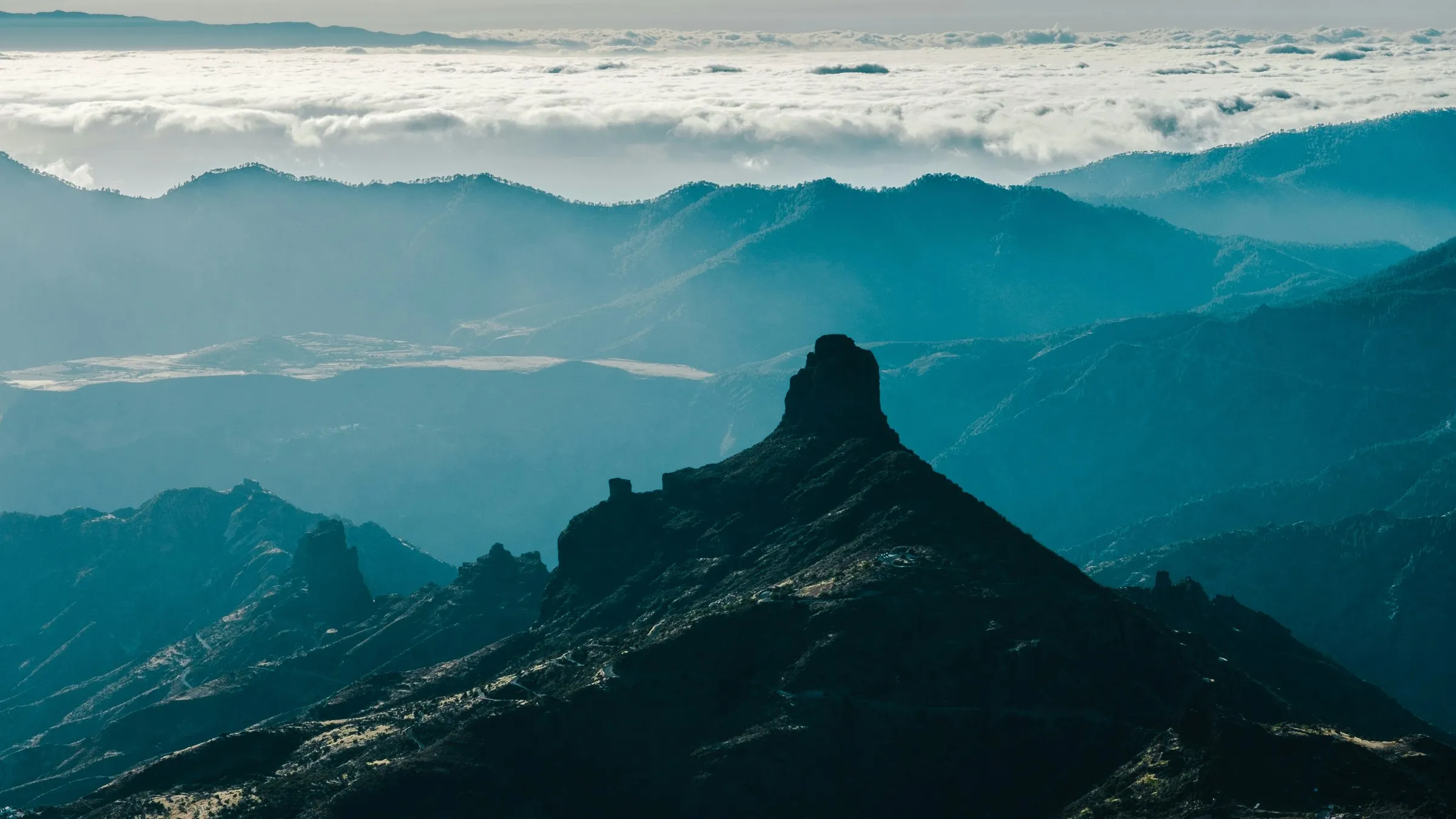
The dark rock peak of Roque Bentayga rising from a ridge, layers of blue mountains behind it and a sea of cloud on the horizon

Start planning your time in Gran Canaria

Tell us your dates and who is travelling. Everything else we can work out together.

Plan your Gran Canaria trip

Usually answered within one business day.

Gran Canaria in pictures

Pale sand dunes with wind ripples and a sharp crest in the foreground, the dark blue Atlantic beyond them under a clear sky
The Maspalomas dunes, on the south coast