Centro
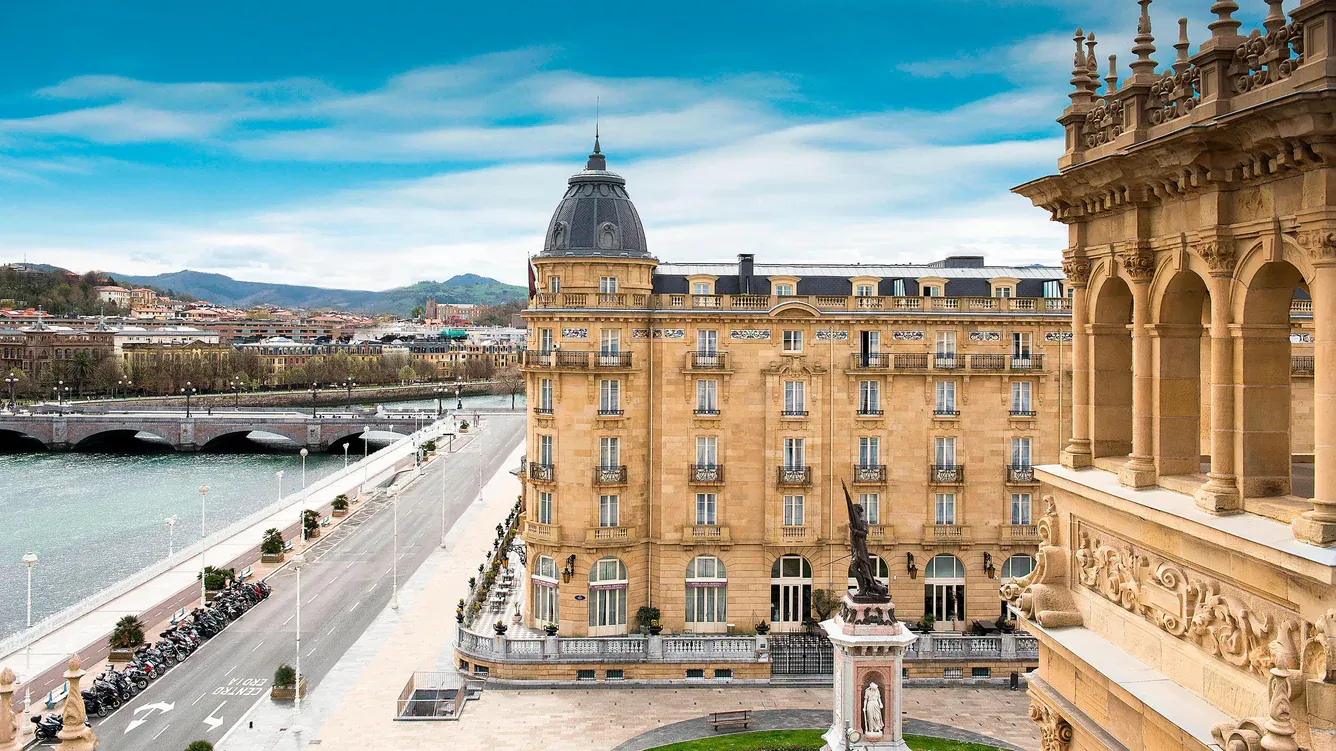
Hotel María Cristina
A five-star house on the Urumea at the edge of the Parte Vieja, a short walk from La Concha, with two restaurants, a cocktail bar and river-view suites.
San Sebastián guide
The Basque Country's city by the sea: pintxo bars, three-star tables, a Belle Époque bay and the old town between them.
By Ramin Jafari · Facts checked
San Sebastián, Donostia in Basque, is a city to eat in and to walk: the pintxo bars of the Parte Vieja, rebuilt after the fire of 1813, three restaurants with three MICHELIN stars in and around it, La Concha’s bay and the Belle Époque centre laid out when the walls came down. Three or four nights cover the city; a week adds the coast and the wine country of the Basque Country. Here is when to go, where to stay, what to eat and see, and three days in the city.
When to go
Spring and autumn suit San Sebastián best; summer is for the beach.
From March to May the average high climbs from about 13°C (55°F) to 18°C (64°F), and from September to November it eases from about 21°C (70°F) to 14°C (57°F): good weather for walking the city and for long lunches. June to August is the beach season, with highs of about 20–23°C (68–73°F), the most sun of the year and the most visitors. It rains in every month, most in October and November.
September brings the Film Festival and, in its first days, the Euskal Jaiak, with Cider Day and the rowing regattas for the Bandera de La Concha; the txakoli harvest follows, in late September or early October, when the markets fill with wild mushrooms. The city’s hotels are as full in September as in August; spring, October and November are quieter.
Our best time to visit San Sebastián guide goes season by season and month by month, and the best time to visit Spain looks at the whole country.
Where to stay
A grand hotel on the river or a house above the sea: the two hotels we feature in San Sebastián, each a different way to stay.
Centro
A five-star house on the Urumea at the edge of the Parte Vieja, a short walk from La Concha, with two restaurants, a cocktail bar and river-view suites.
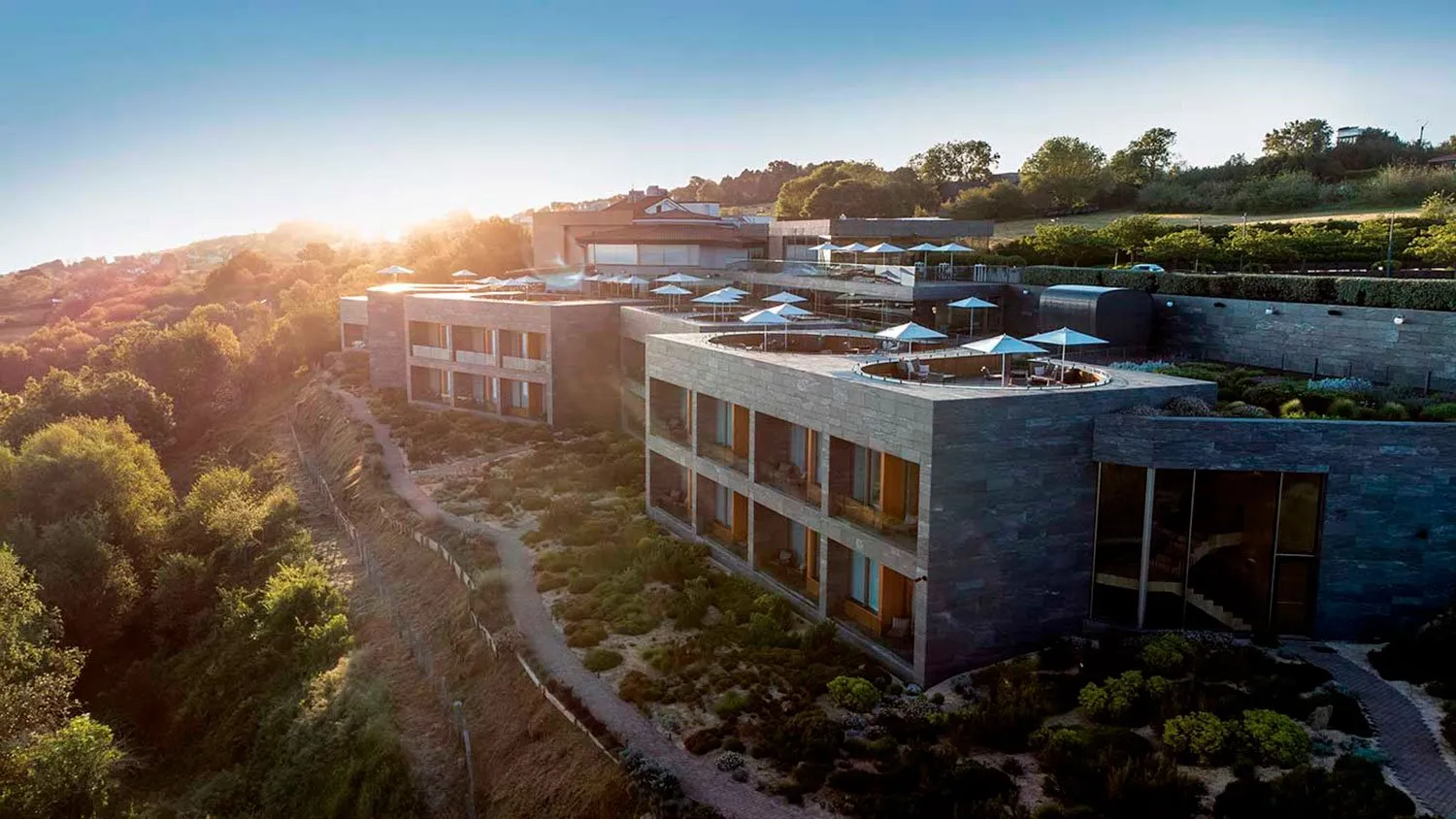
Igeldo
A five-star house of 22 rooms on Monte Igeldo, every one looking out to sea, with Pedro Subijana's restaurant and an adults-only spa.
They are a selection, not the whole choice. Our San Sebastián accommodation overview compares them side by side, and we arrange others to suit you. For the rest of the country, see luxury hotels in Spain.
Food
San Sebastián eats at the bar as readily as at the table, and its kitchens run from the pintxo counter to three MICHELIN stars.
The pintxo bars of the Parte Vieja are where the city eats every day. The custom is to go from bar to bar, one or two pintxos at each, and the best known of them all is the gilda: an olive, a guindilla pepper and an anchovy on a stick.
The tourist board counts 19 MICHELIN stars within 25 kilometres of the City Hall, and three of the restaurants hold three stars in the 2026 Guide: Arzak, run by Juan Mari Arzak and his daughter Elena in the house his grandparents built in 1897; Akelarre, Pedro Subijana’s dining room on Monte Igeldo, over the Bay of Biscay; and Martín Berasategui, at Lasarte-Oria, about 12 kilometres out of town.
The sea supplies the hake, the anchovies and the bonito, the hills the Idiazabal cheese of Latxa and Carranzana sheep, and the vineyards around Getaria txakoli, the white wine of the coast. We reserve the tasting menus well ahead, and arrange a pintxo route with a food guide, on request. Our San Sebastián food and cuisine guide has the restaurants, the market, the txakoli and the cider in full; for food and wine across Spain, see our culinary and wine tours.
Sights
Five places to know the city by, from the old town to the sea’s edge, and the experiences we can arrange around them.
At the foot of Monte Urgull
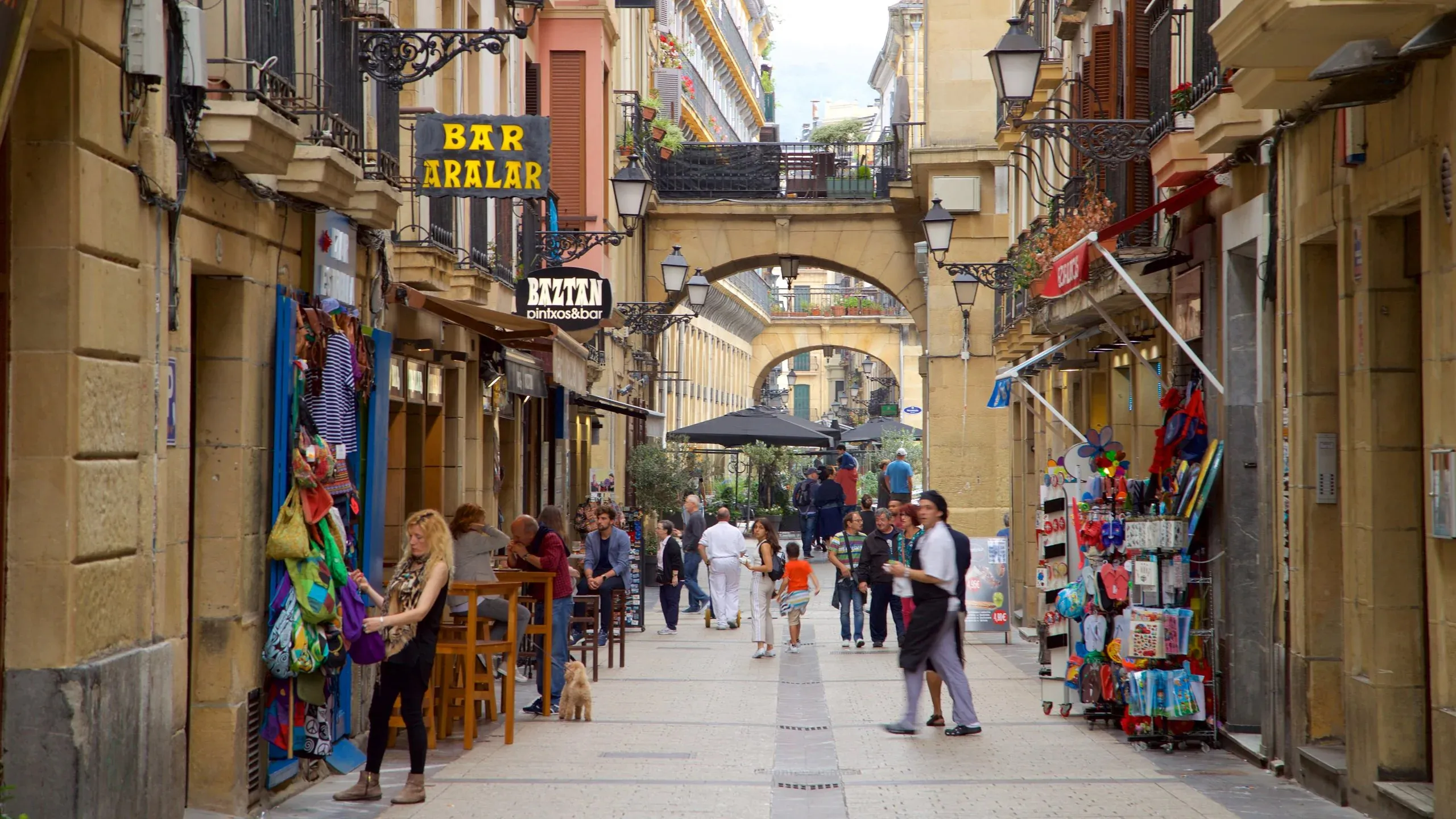
The old town was rebuilt after the fire that destroyed the city in 1813. Its streets, between the Basilica of Santa María and the Church of San Vicente, hold the city’s best-known pintxo bars, with shops and makers between them, and open onto the Plaza de la Constitución, whose numbered balconies once served as boxes for bullfights.
The centre
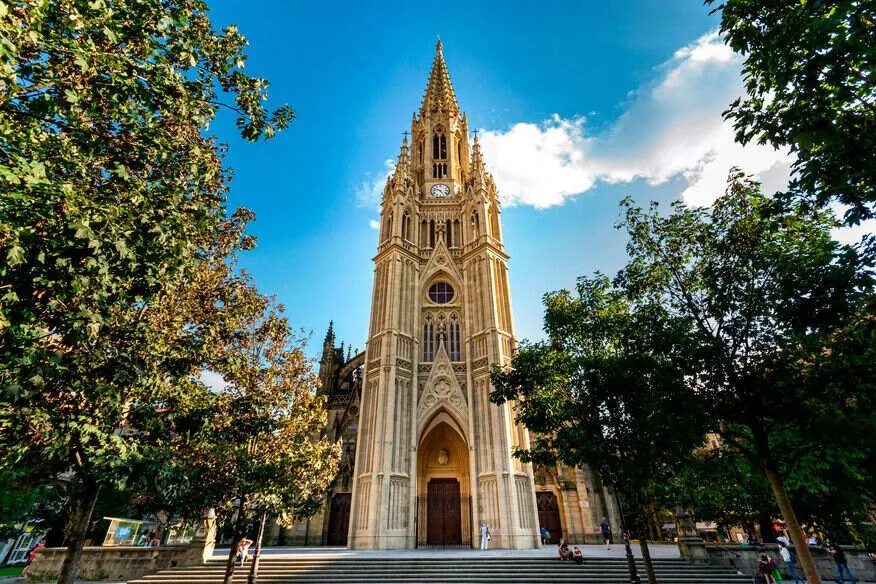
The tallest and largest church in San Sebastián, in the tourist board’s words, its Gothic forms inspired by the medieval churches of Germany and France. A single spired tower rises over the main door, where Eduardo Chillida’s sculpture the Cross of Peace stands.
The bay
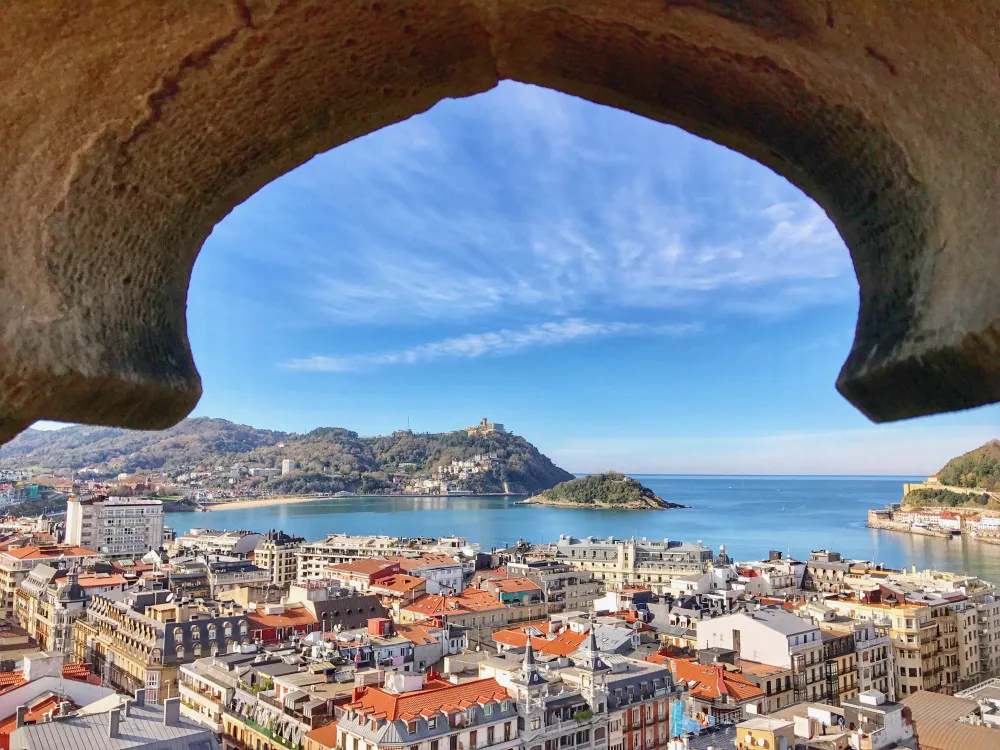
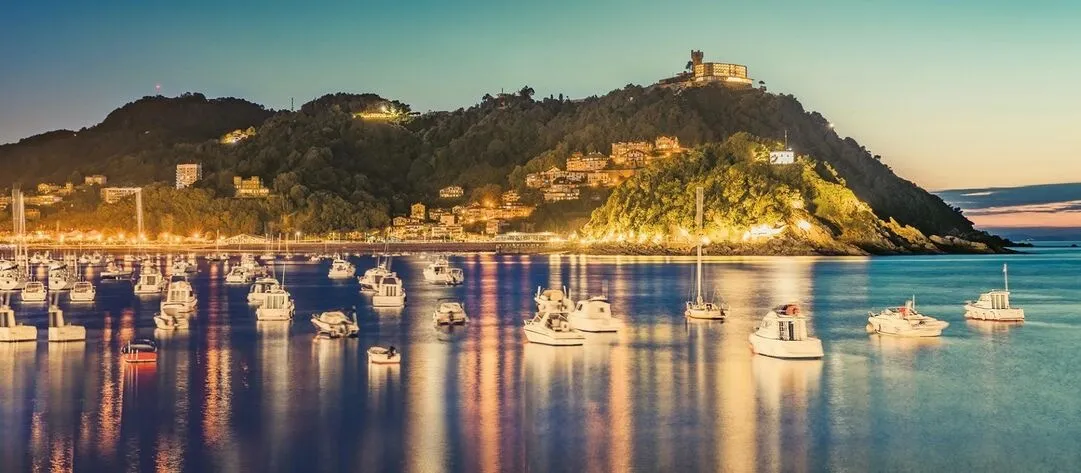
The bay curves between Monte Urgull and Monte Igeldo, facing the island of Santa Clara. Its promenade follows the railings the city’s architect Juan Rafael Alday designed in 1916, past La Perla’s thalassotherapy centre of 1912 to the Miramar Palace, built in 1893 for Queen María Cristina’s summers. In summer a motorboat crosses from the port to the island. La Concha is one of our twelve treasures of Spain.
Where the city meets the sea
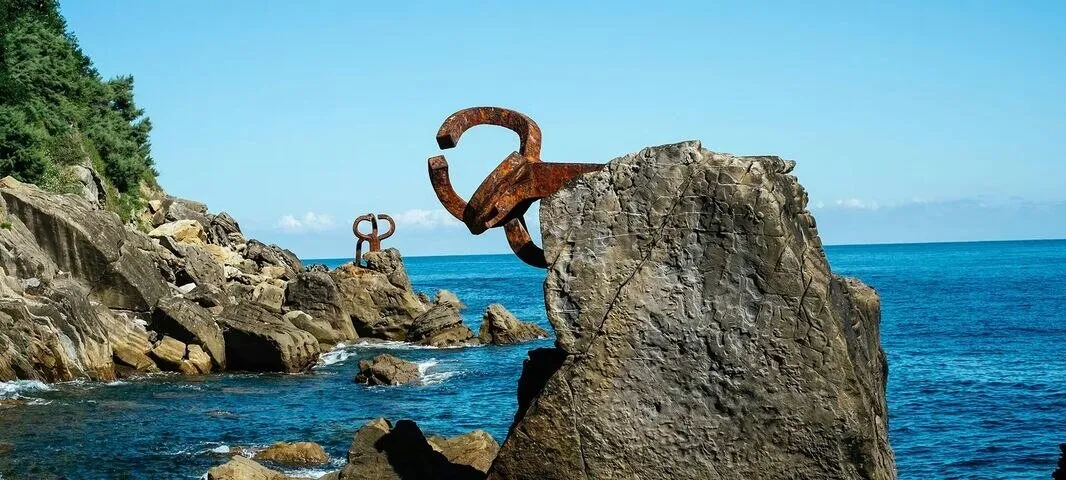
Three steel sculptures by Eduardo Chillida, each weighing more than nine tonnes, anchored to the rocks at the western end of Monte Igeldo, where the city ends and the sea begins. In a heavy sea the waves break between them and burst up through the holes in the square beside them; on the stormiest days the area may be closed.
Gros, at the mouth of the Urumea
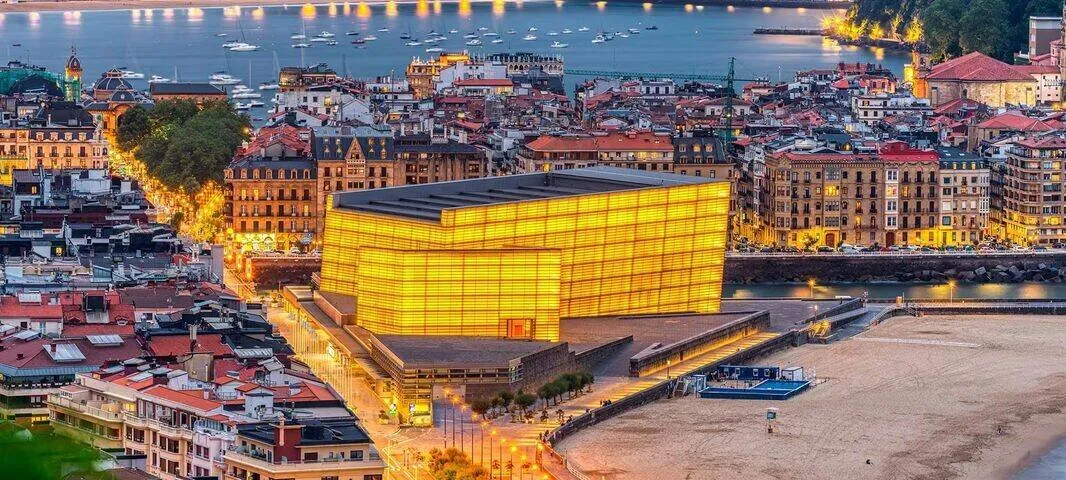
Rafael Moneo’s cubes of glass and steel stand by the Zurriola beach at the mouth of the Urumea, chosen from six architects’ proposals in 1990 and opened in 1999. They hold two auditoriums for the city’s concerts and, every September, the Film Festival.
Beyond the monuments, and each on request, subject to availability:
There is more in our things to do in San Sebastián guide and among the experiences on our San Sebastián page; for private guides across the country, see our architecture and cultural tours.
Three days
Three days cover the essentials. Each is a starting point we shape around you.
Day 1
Sunset
A walk with a guide along La Concha Bay.
Evening
A tasting menu at one of the city’s Michelin-starred restaurants, with wines chosen to match.
Day 2
Morning
A guided visit to the market, then a hands-on cooking class with a Basque chef.
Afternoon
The Parte Vieja and the Belle Époque centre on foot, with a guide.
Evening
A pintxo route through the old town’s taverns, with a food guide.
Day 3
By day
The Rioja Alavesa by private car, for tastings at its wineries.
Afternoon
Back in the city, a treatment at your hotel’s spa if it has one, or at La Perla’s on the beach.
Evening
A sail on the bay with a glass of cava, weather allowing.
The third day is a long one: the Rioja Alavesa is some 140 kilometres away by road. Our four days in San Sebastián gives the coast at Getaria and the museum of San Telmo a day each, at an easier pace.
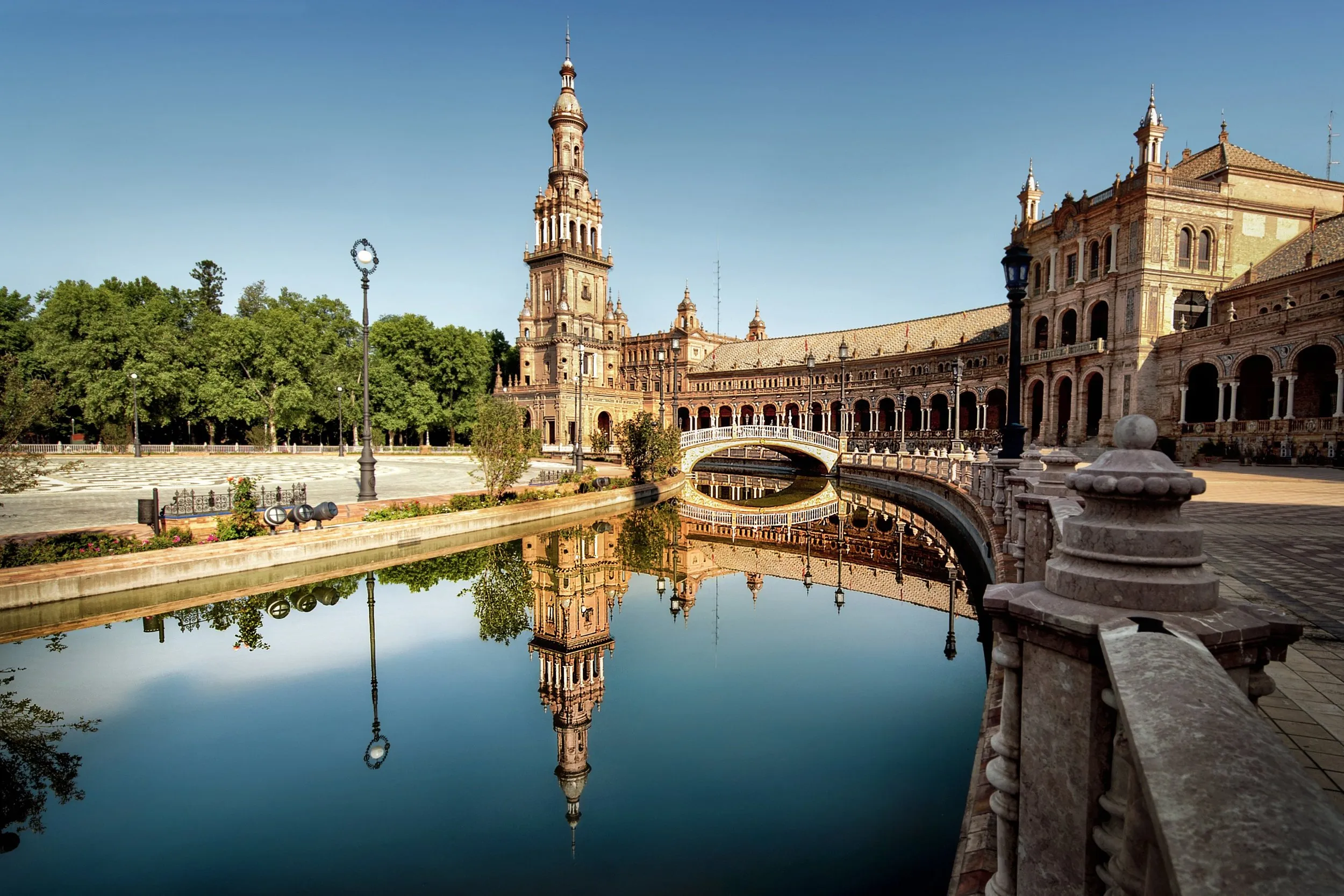
from $27,200 per person
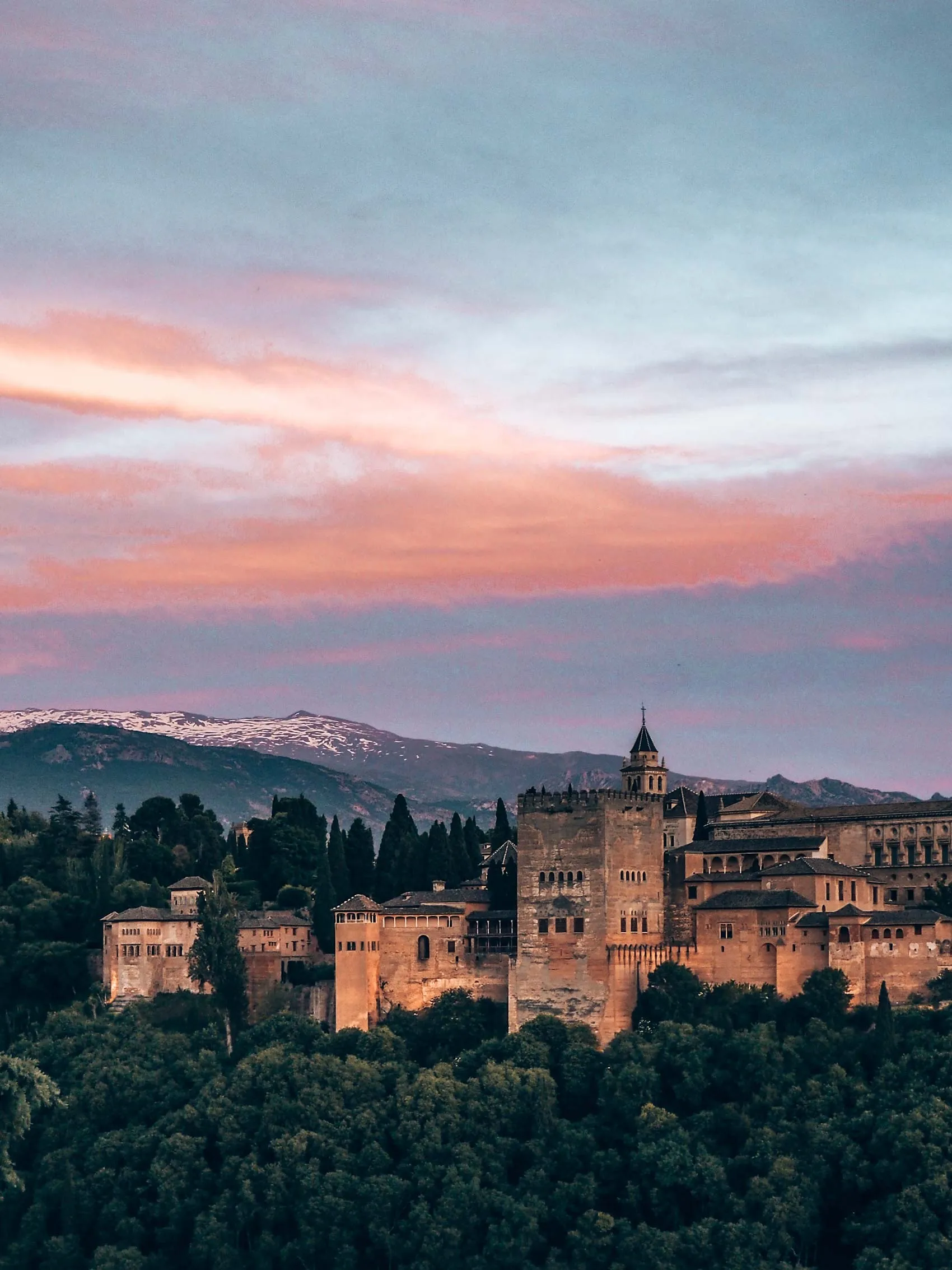
from $16,800 per person
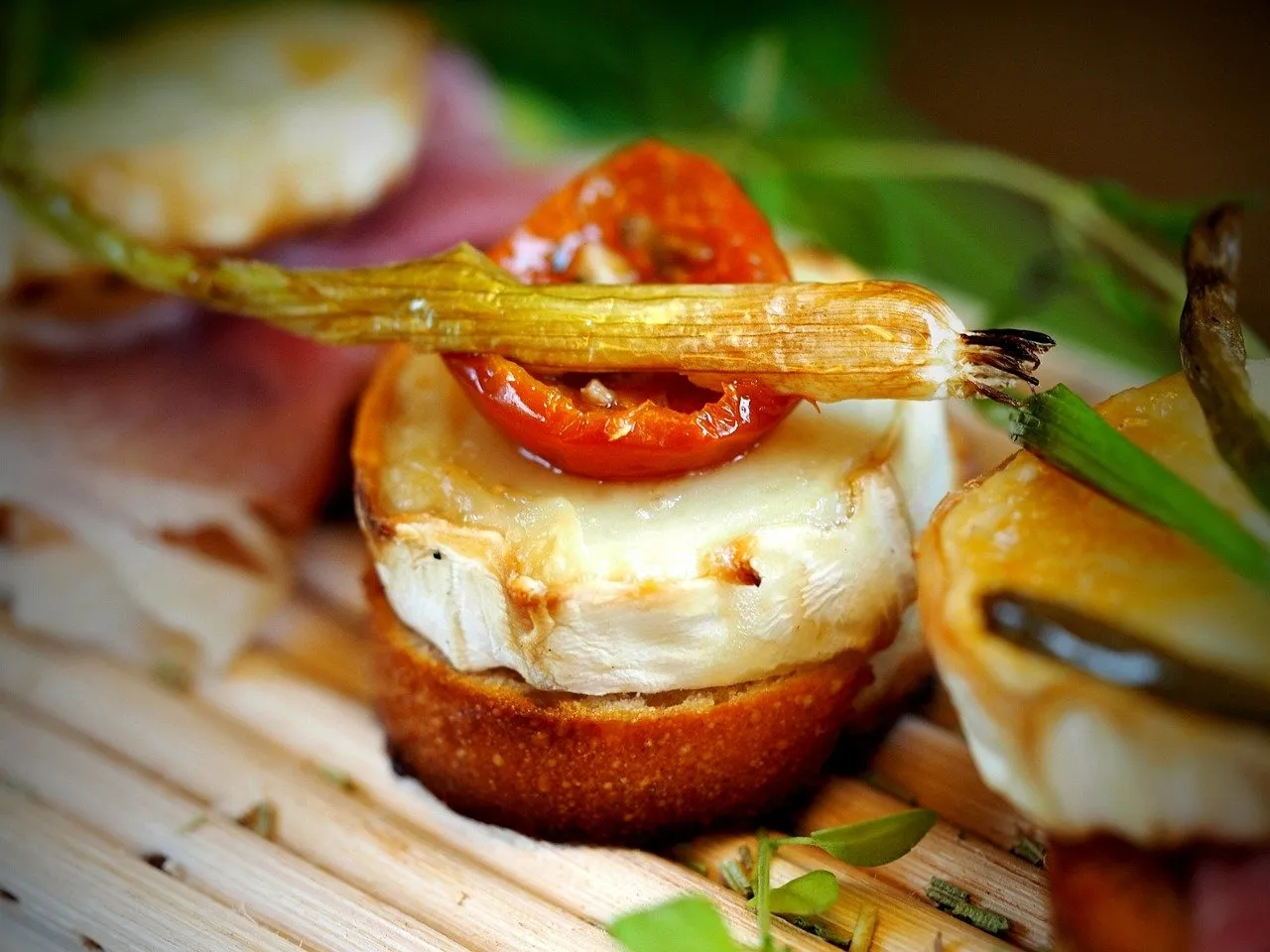
from $15,300 per person
Pintxos and three-star tables, the bay under sail, the Belle Époque city, Getaria and La Rioja.
The Basque table, where to eat, and the market, the txakoli and the cider.
Four days, day by day: the bay, the market and the old town, Getaria, and San Telmo.
Season by season and month by month, with the festivals, the crowds and the rain to plan around.
More city guides: Barcelona, Madrid, Mallorca and Seville, or all our Spain guides. Across Spain: our luxury travel guide, the top five-star hotels and boutique hotels, why personalisation matters, Spain’s castles and palaces and Spain’s national parks.
Tell us your dates and who is travelling. Everything else we can work out together.
Plan your San Sebastián trip Our San Sebastián page
Usually answered within one business day.