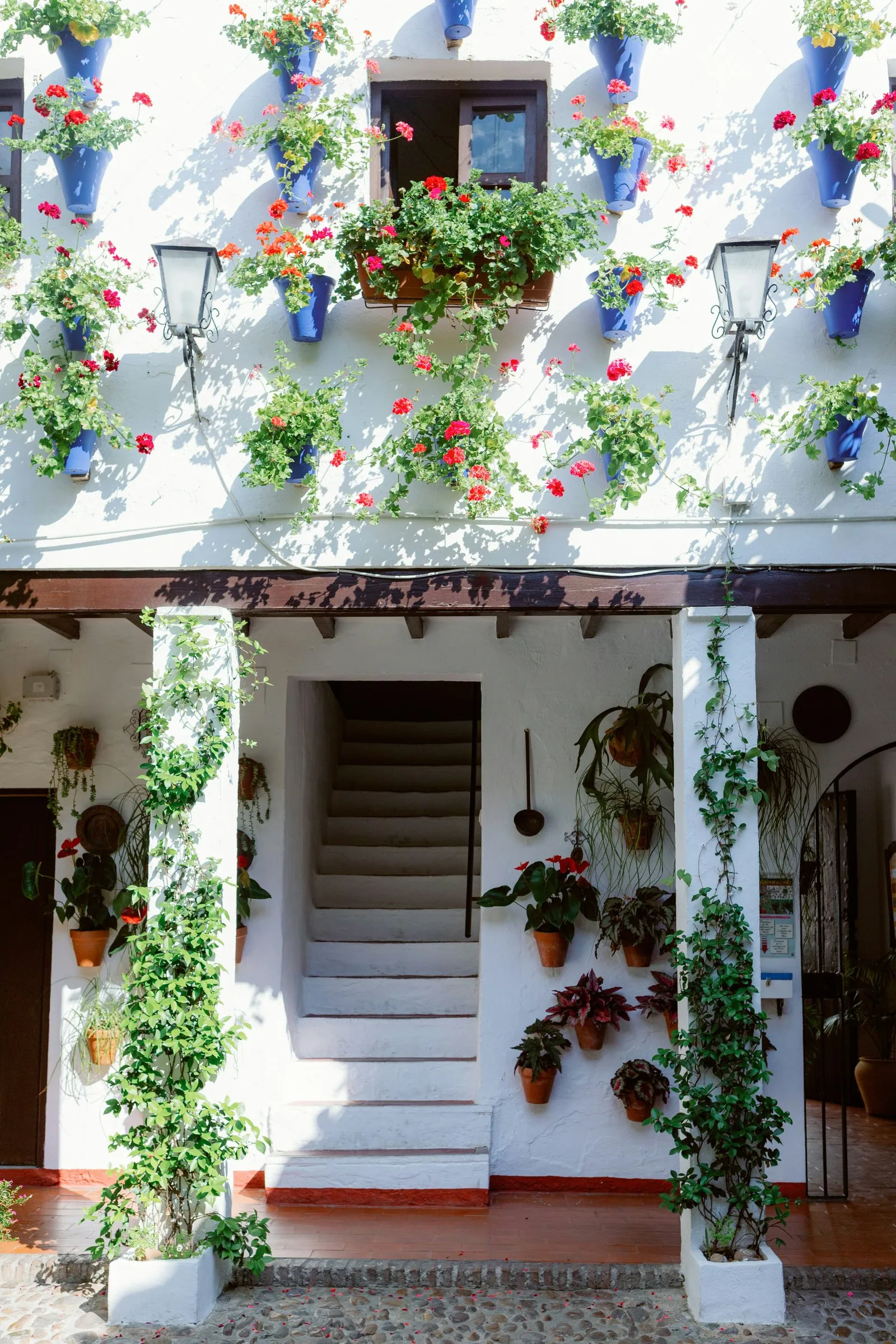
The Charm of Andalusia
from $9,800 per person
Spain guide
Moorish palaces, royal residences and frontier fortresses, region by region.
By Ramin Jafari · Published · Facts checked
Spain’s great castles and palaces are the Alhambra in Granada and the Real Alcázar in Seville; the Royal Palace in Madrid, with the Alcázar of Segovia and the palace of La Granja beyond the mountains; the castles of Peñafiel and Belmonte and Gaudí’s bishop’s palace at Astorga; and the Aljafería in Zaragoza and the castle of Loarre in Aragon. Between them they tell Spain’s story from the Moorish kingdoms to the Bourbons, and for each we give what it is, when to go and what we arrange.
Andalusia
Two palaces of al-Andalus that Christian kings made their own.
Granada
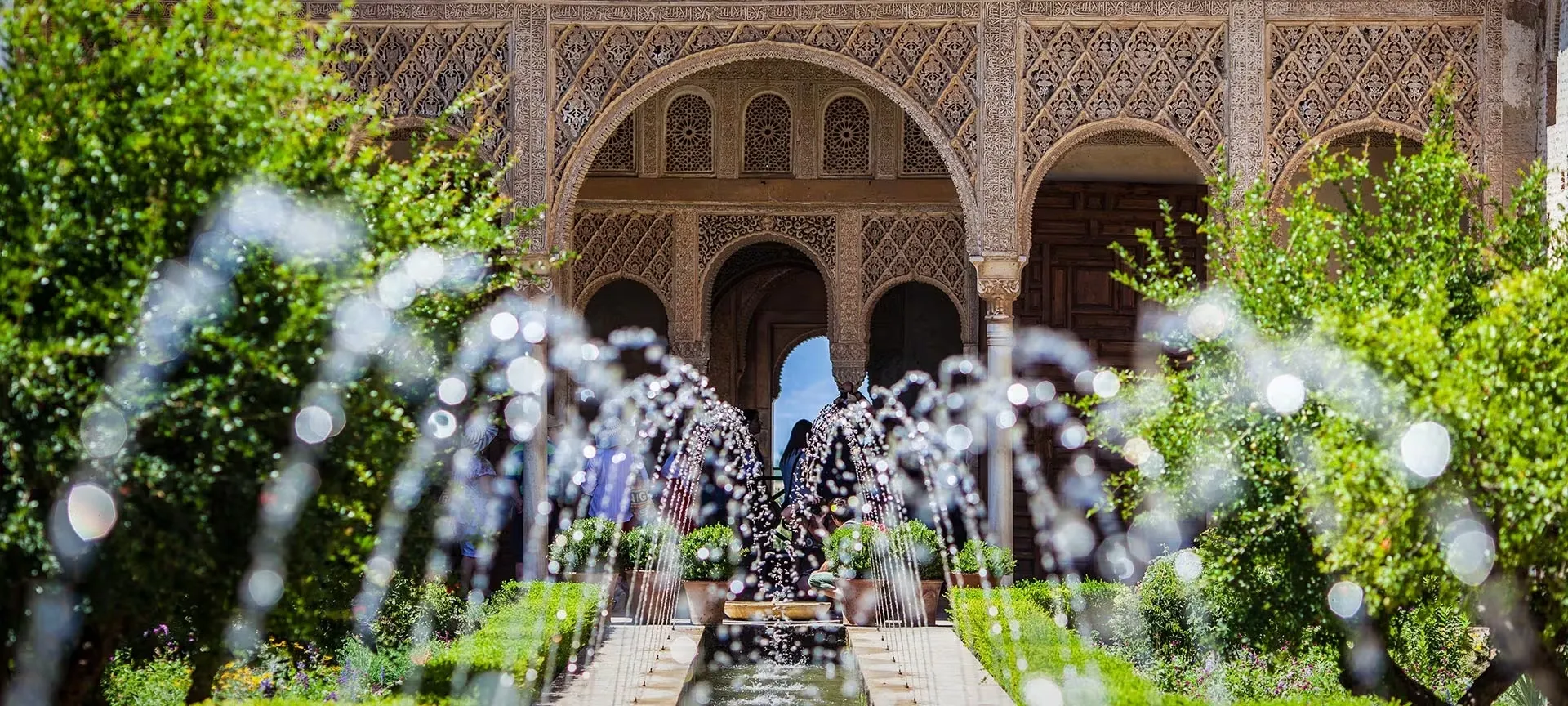
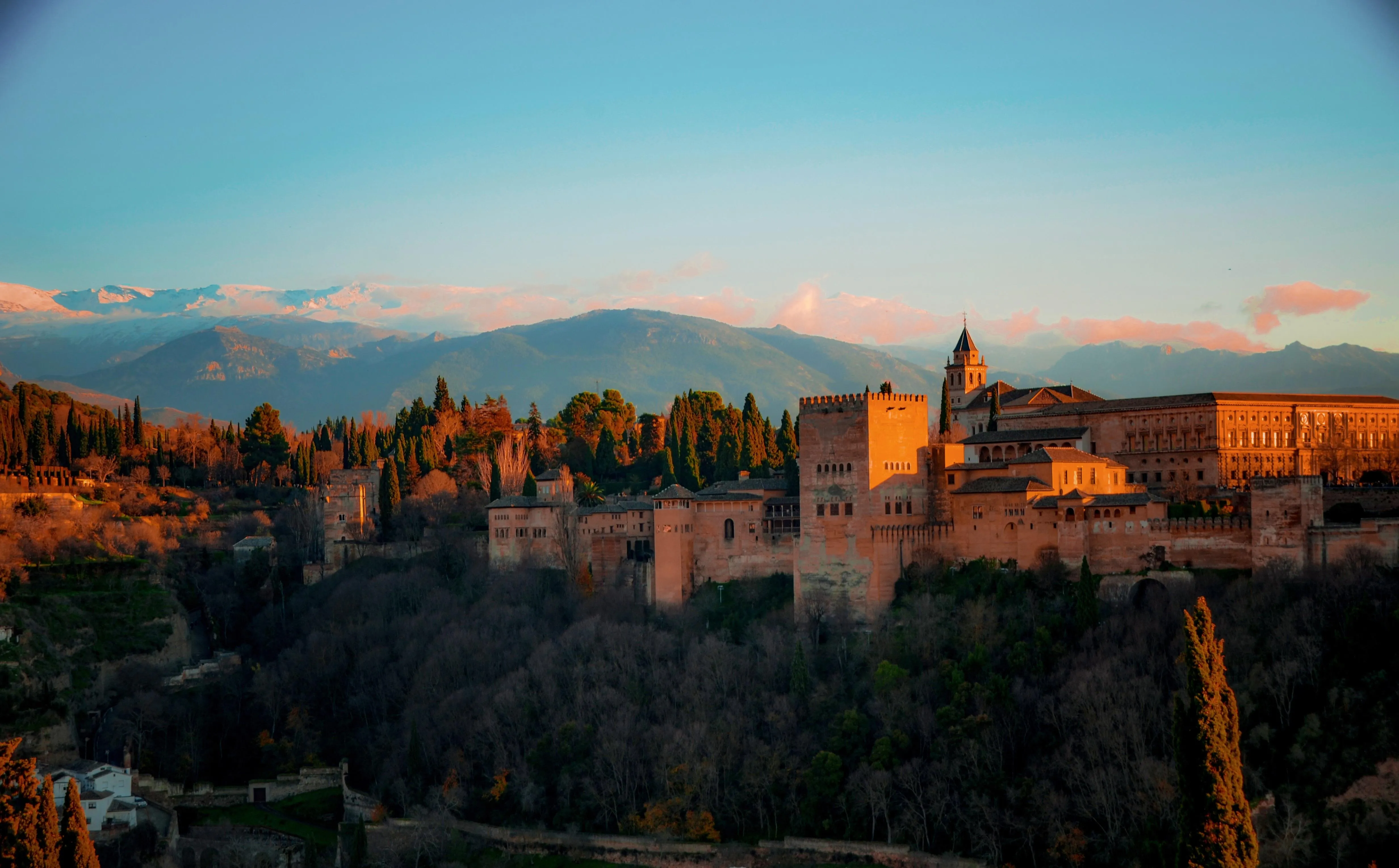
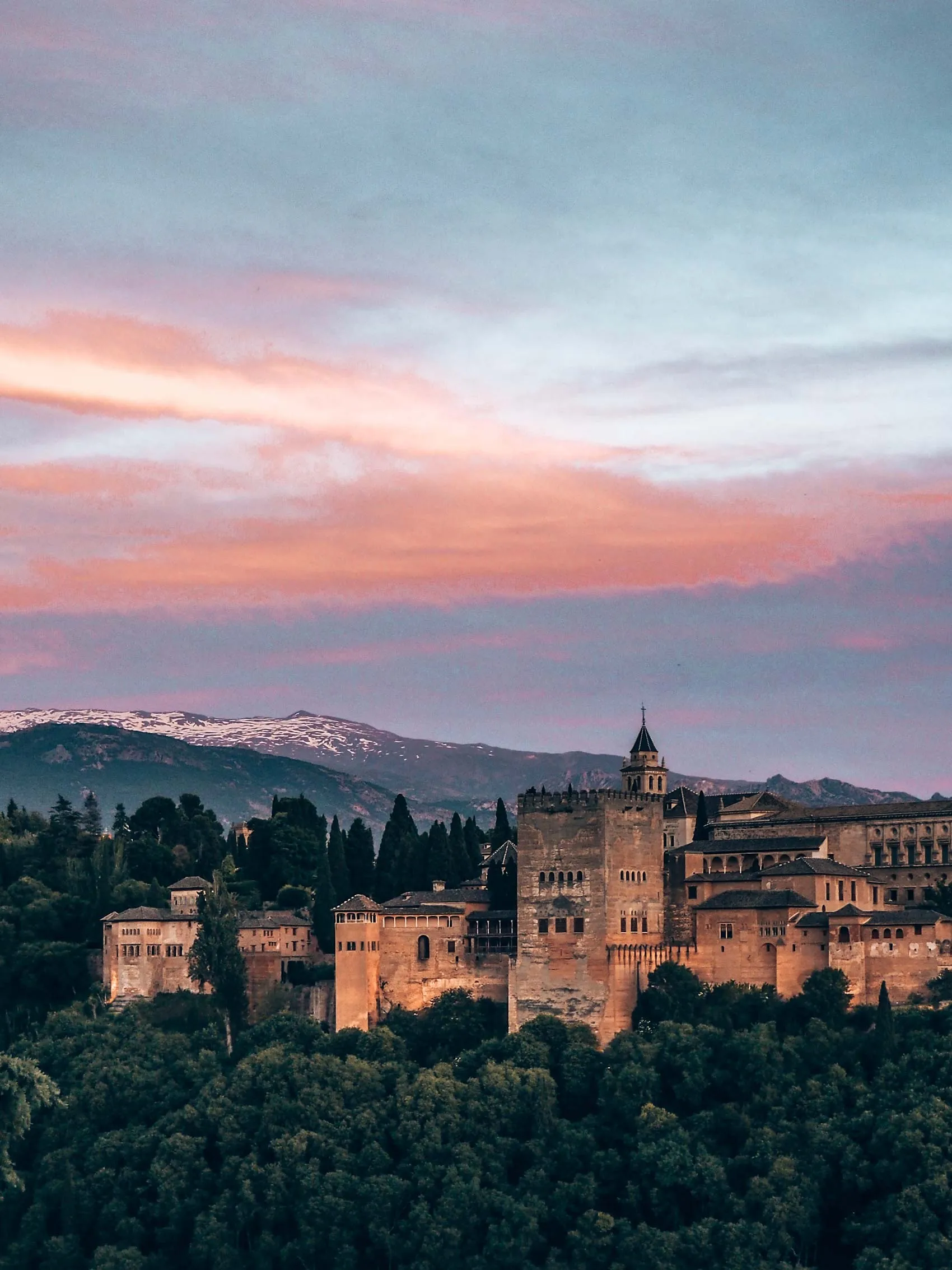
The palace-city the Nasrid dynasty began above Granada in 1238: the Nasrid Palaces, with their courtyards and halls of carved stucco and tile, the fortress of the Alcazaba, and the gardens of the Generalife, where fountains play the length of the Patio de la Acequia.
The Alhambra books up months ahead, so we reserve it as soon as your dates are fixed, with a licensed guide accredited for the visit. It heads our 12 treasures of Spain.
Seville
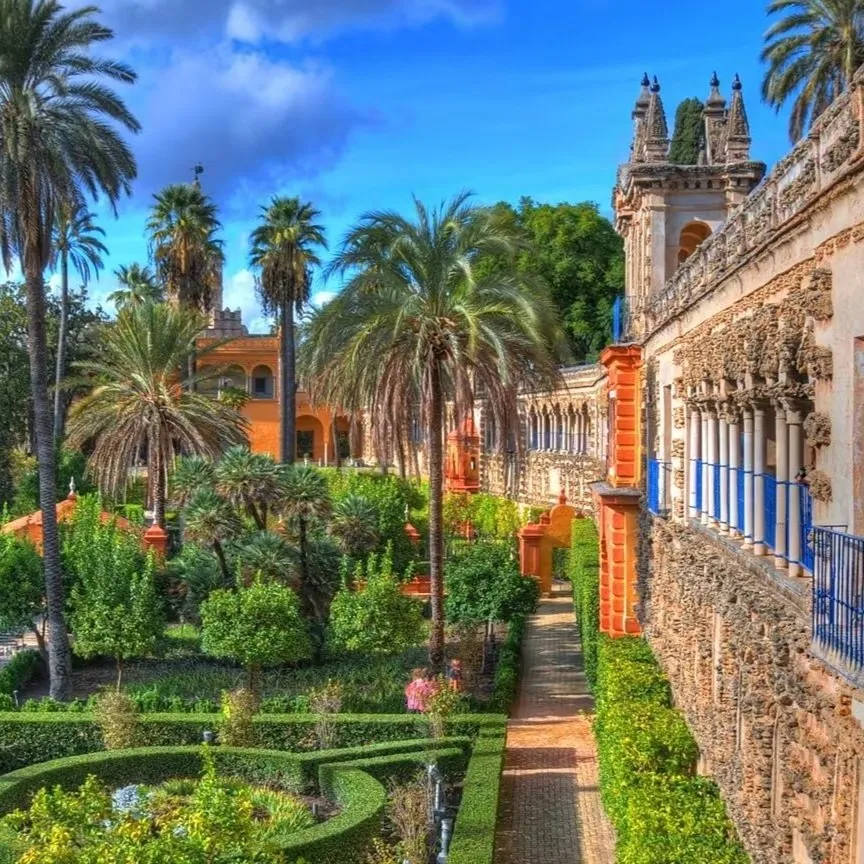
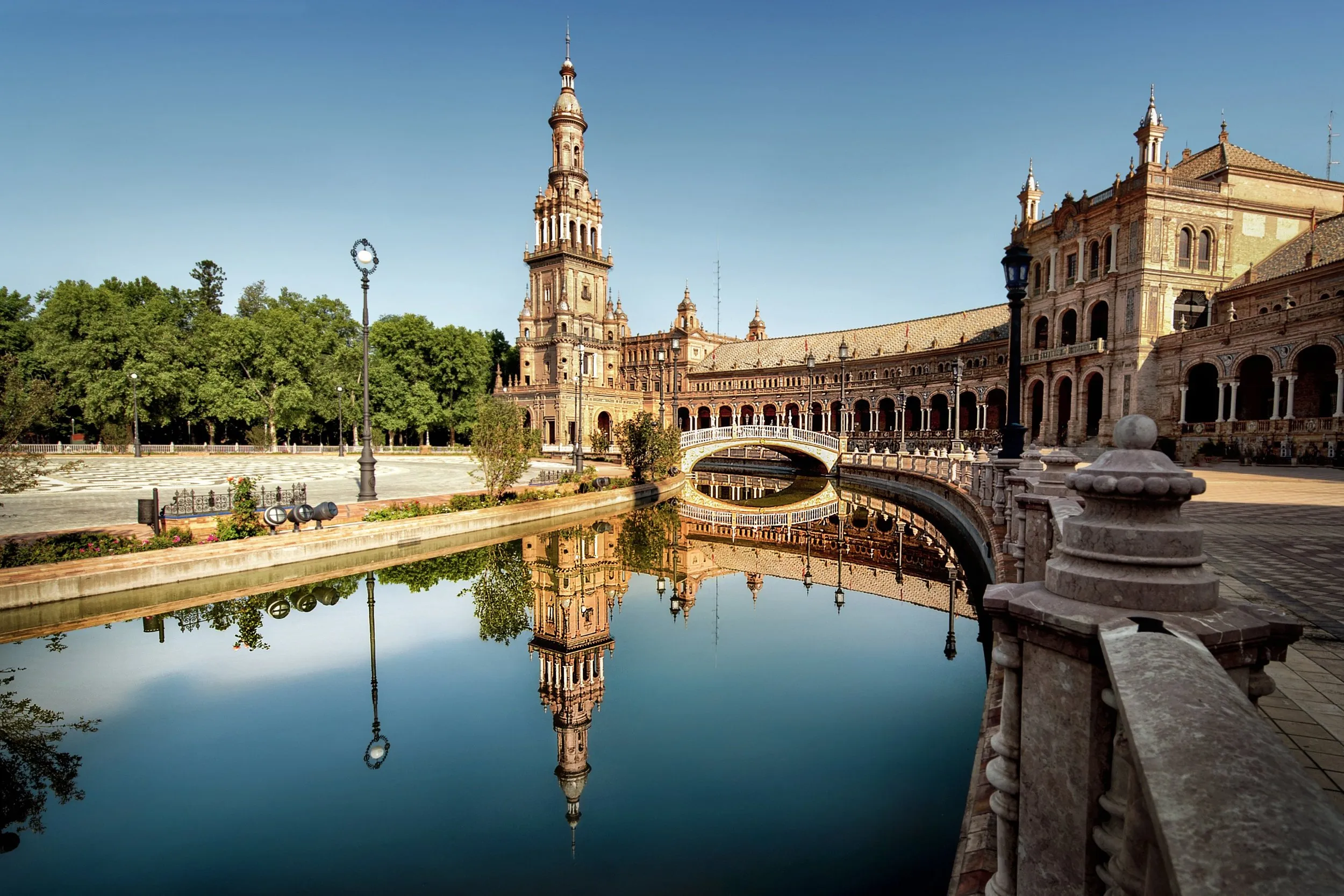
Begun in the 10th century as the palace of Seville’s Muslim governor, it is still the royal family’s residence in the city, and calls itself the oldest royal palace in use in Europe. Its heart is the Mudéjar palace Pedro I built in the mid-14th century, its courtyards tiled and carved, opening onto extensive gardens that stood in for the Kingdom of Dorne in Game of Thrones.
It is at its best early in the day. We arrange a private guide, and the palace takes requests for private visits outside its public hours, which we can make for you, subject to its approval. It is one of our 12 treasures of Spain; for the rest of the city, see our Seville travel guide.
The capital’s royal palace and, beyond the Guadarrama mountains, Segovia’s Alcázar and the summer palace of La Granja.
Madrid
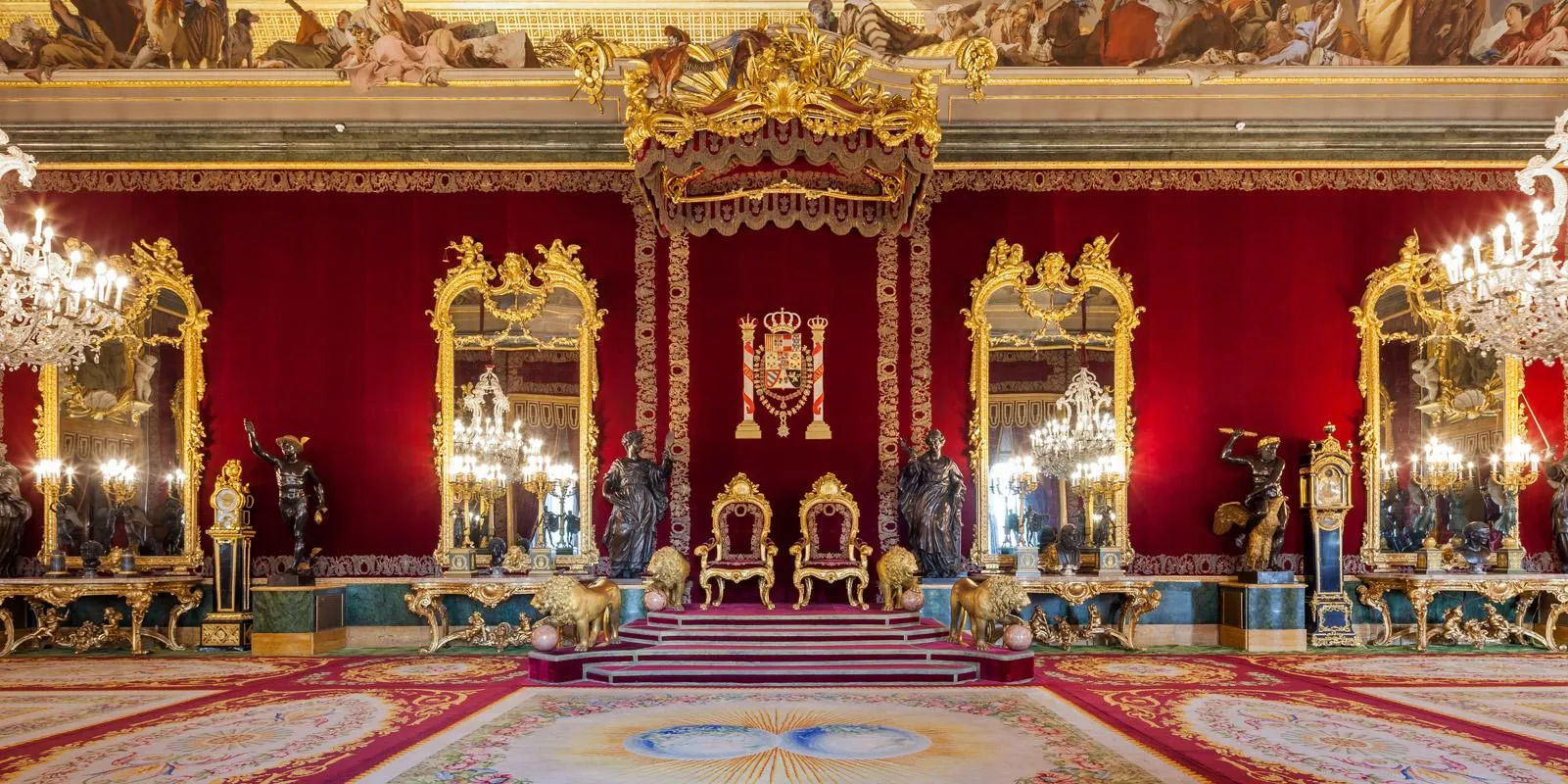
Still the official residence of the King of Spain and used for state occasions, it was raised after fire destroyed the old Alcázar in 1734. The visit takes in the Throne Room, under Tiepolo’s painted ceiling, the Royal Chapel, the Royal Armoury and works by Caravaggio, Velázquez and Goya, and the palace looks out over the gardens of the Campo del Moro.
We arrange a private guide, and time your visit for the Changing of the Guard. It is one of our 12 treasures of Spain.
Segovia
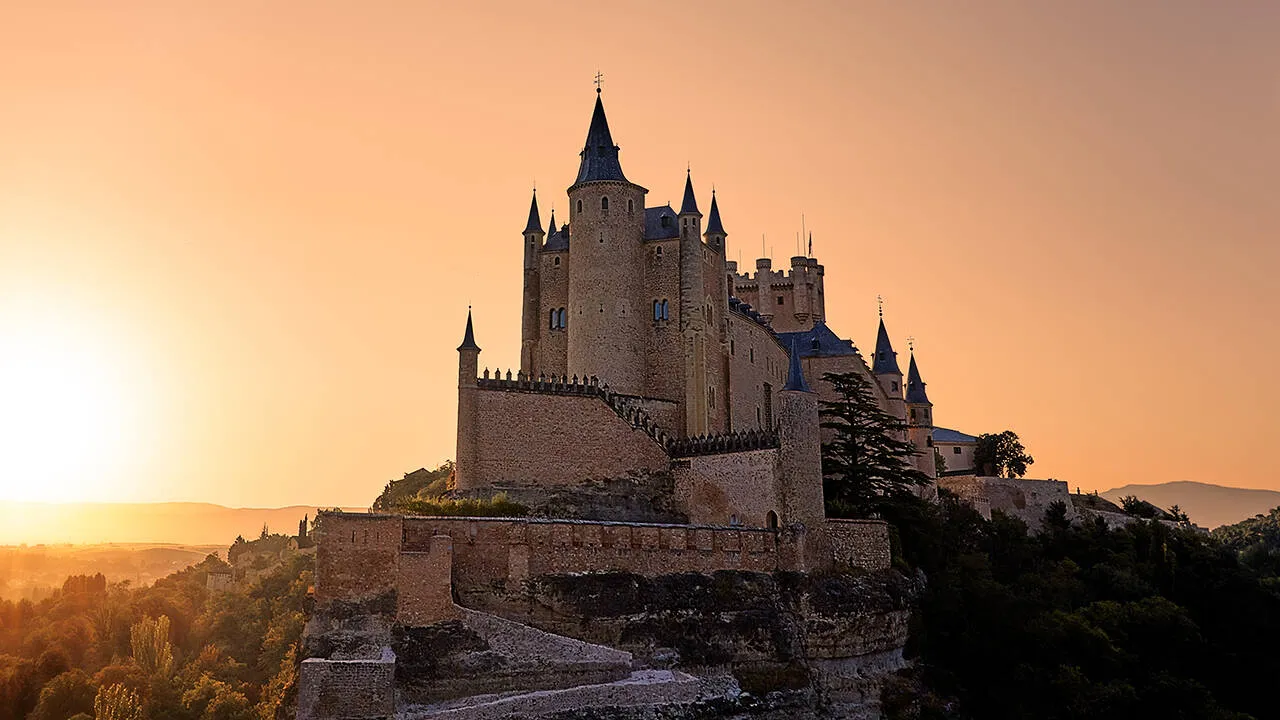
High on its rock where the valleys of the Eresma and the Clamores meet, the Alcázar was a fortress of the kings of Castile: Alfonso X, the astronomer king, stayed here, and in December 1474 Isabella left it to be proclaimed queen. It later served as a state prison and, from 1764, as the Royal Artillery College. The Alcázar itself says Walt Disney drew on its slender outline for Snow White’s castle.
We arrange a guide, and the day can go on to La Granja.
Near Segovia
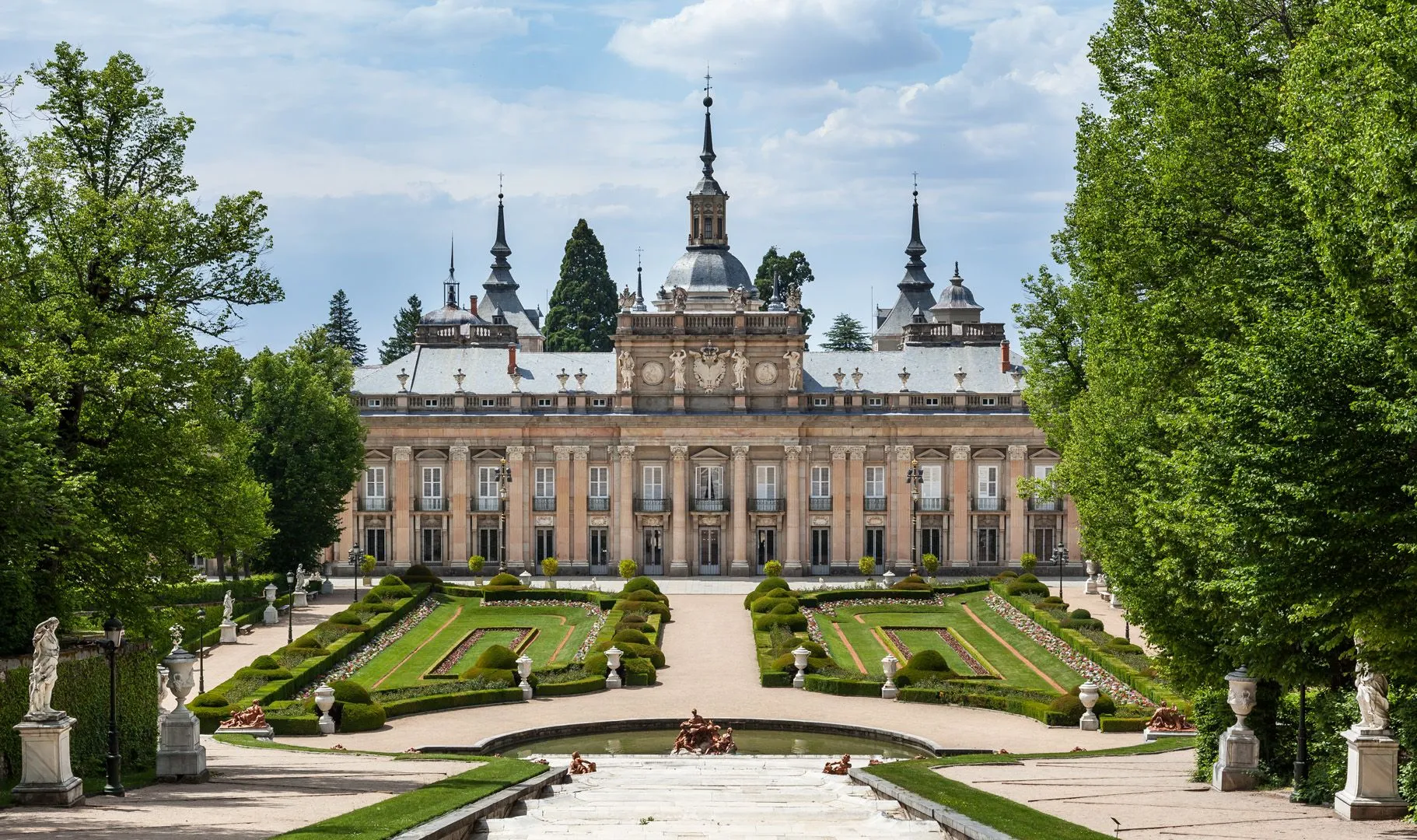
Spain’s first Bourbon king built himself a palace in the Guadarrama mountains, and it was the Bourbons’ summer residence through the 18th and 19th centuries. Its gardens, laid out by a team from Versailles, are full of fountains and figures from myth and legend.
The fountains play only on set days from spring into summer, so we time your visit to one of them.
Castile
Two castles and a bishop’s palace, from the Duero to La Mancha and the Camino de Santiago.
Ribera del Duero
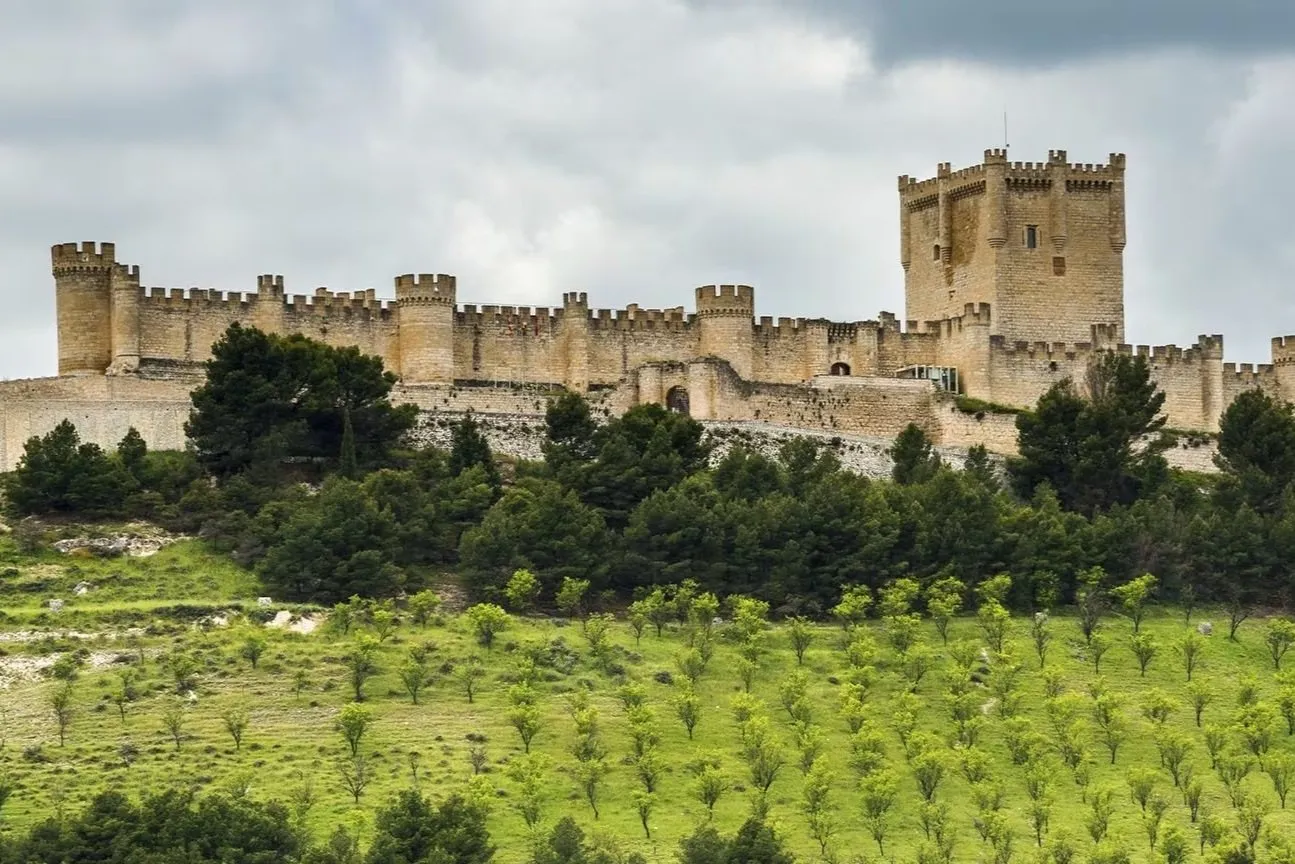
Long and narrow, the castle runs the length of its ridge above the town of Peñafiel and the vineyards of the Ribera del Duero. Pedro Girón, master of the Order of Calatrava, built it in the 15th century on a height held along the Duero frontier since the 10th, and the wine museum inside tells the story of the wine and of the castle, with guided tastings.
We pair it with a visit and tasting at one of the Ribera’s wineries, with private transport between them.
Belmonte, Cuenca
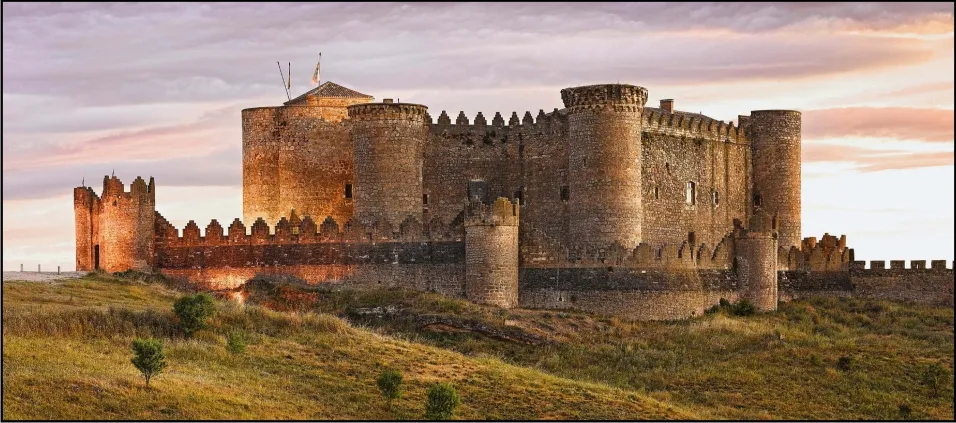
Juan Pacheco, the first Marquis of Villena, had the castle built from 1456: a fortress severe outside and richly finished within, under Mudéjar timber ceilings. In the 19th century it passed to Eugenia de Montijo, Empress of the French, who began its restoration in 1857; restored again, it opened to the public in 2010.
The castle stages medieval combat tournaments, theatrical visits and a 19th-century re-enactment with Eugenia de Montijo, and we time your visit to one of them.
Astorga, León
When fire destroyed Astorga’s old bishop’s palace in 1886, the new bishop, Juan Bautista Grau, asked his fellow countryman Antoni Gaudí to design another. The first stone was laid on the bishop’s name day, but he died in 1893, Gaudí left the work, and the palace was finished without him. Its museum tells the building’s story and the town’s ties to the Camino de Santiago, which runs through Astorga.
Aragon
A palace of the Muslim kings of Zaragoza, and a Romanesque fortress in the north of the region.
Zaragoza
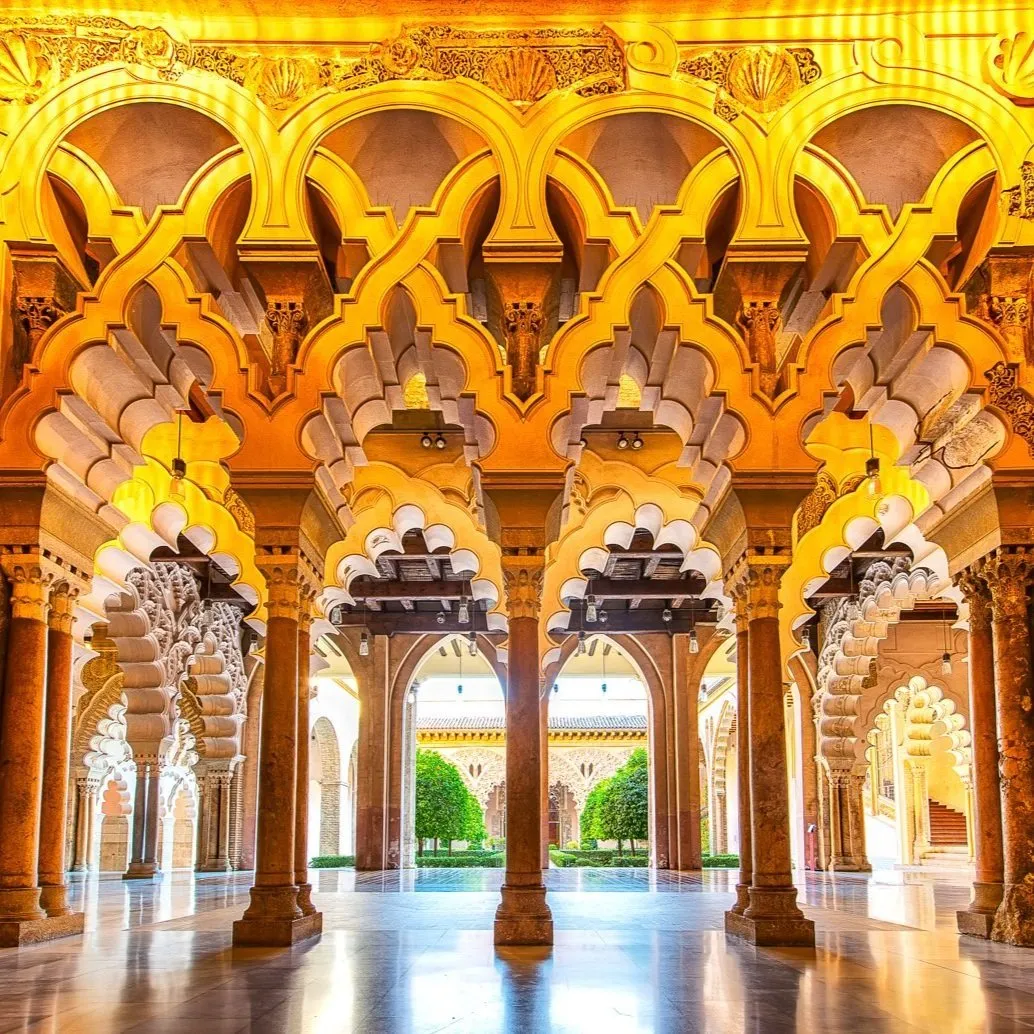
Al-Muqtadir built the palace as the residence of the Hudid kings of Zaragoza. After Alfonso the Battler took the city in 1118 it became the residence of the Christian kings of Aragon: Pedro IV enlarged it in the 14th century and built the church of San Martín inside its walls, and at the end of the 15th the Catholic Monarchs added a new floor, reached by a grand staircase. Since 1987 it has been the seat of the Cortes of Aragon, the regional parliament.
We arrange a guide to take you through its centuries.
Loarre, Huesca
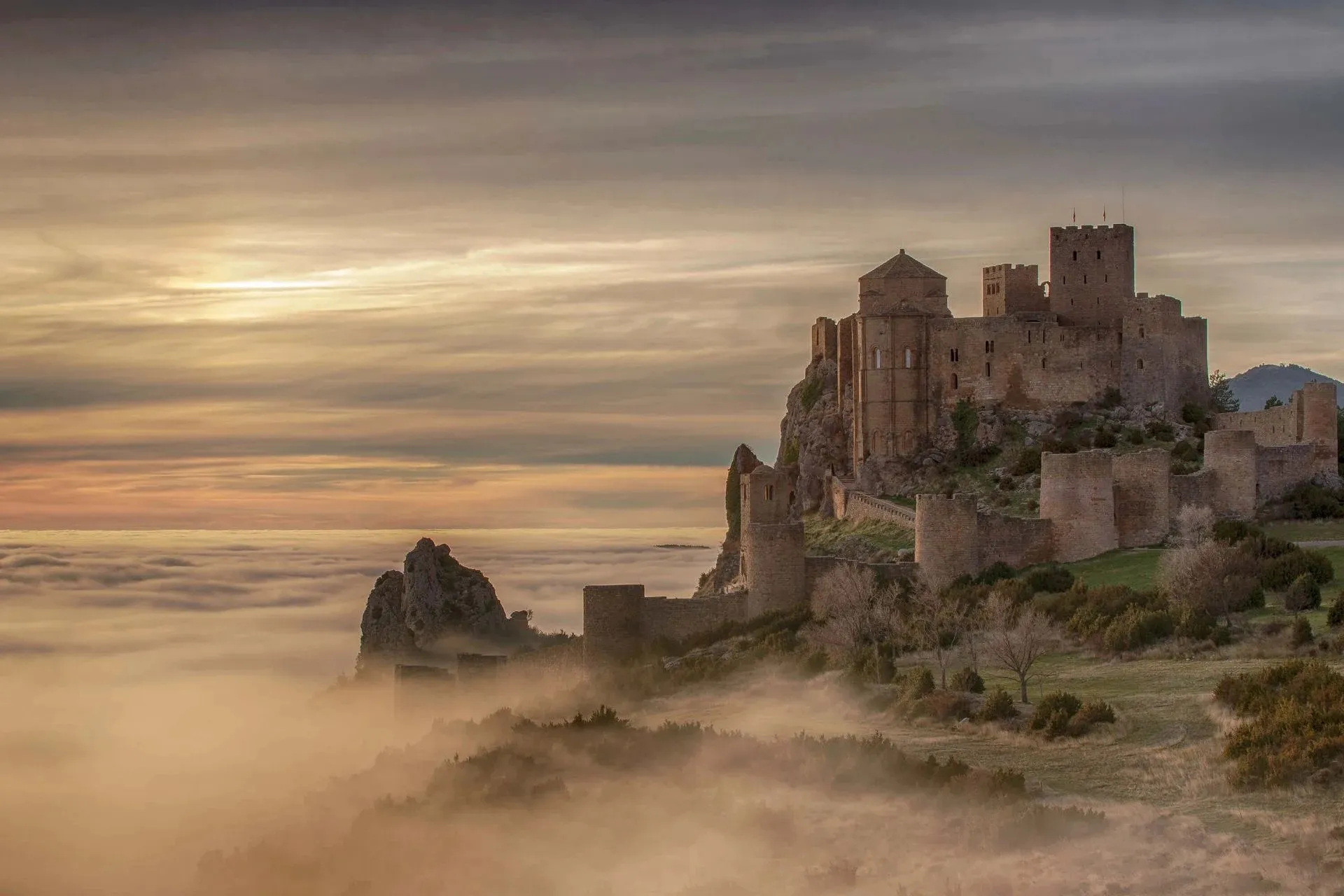
Founded by Sancho III on a rocky ridge, the castle guarded the kingdom’s frontier and looked out over the plain around Huesca. It was a royal palace first and a monastery later, its domed Romanesque church and crypt within the walls, and Turismo de Aragón calls it the best-preserved Romanesque fortress in Europe. Ridley Scott filmed Kingdom of Heaven here.
from $9,800 per person
from $27,200 per person
from $16,800 per person
from $9,400 per person
Twelve places to see once in a lifetime, from the Alhambra to Teide.
The wine regions worth a journey, from Rioja to the Priorat.
City guides: Seville, Barcelona, Madrid, Mallorca, San Sebastián and Granada, or all our Spain guides. Across Spain: Spain’s national parks, the most beautiful coastal towns and a guide to Spanish gastronomy.
Tell us your dates and who is travelling. Everything else we can work out together.
Plan your Spain trip Our Spain page
Usually answered within one business day.