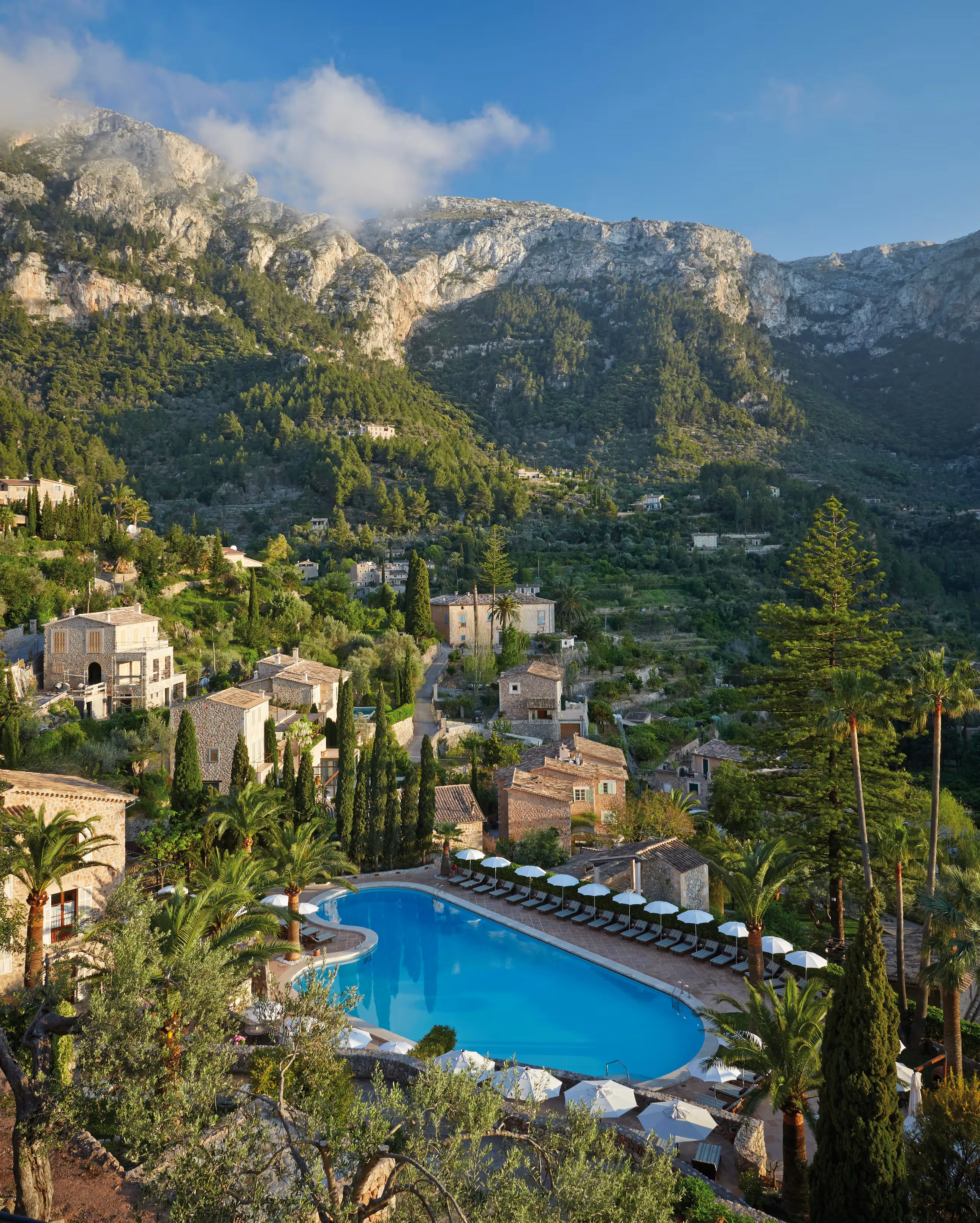
Deià
Belmond La Residencia
Twin 16th- and 17th-century manor houses on a Deià hillside, with 67 rooms, a spa, indoor and outdoor pools and an art gallery.
Mallorca guide
Coves and clear water, the stone villages of the mountains, and Palma's Gothic old town, at an island's pace.
By Ramin Jafari · Facts checked
Mallorca is more than a summer island. Its coast runs from small coves of clear water to the cliffs of Cap de Formentor; the stone villages of the Serra de Tramuntana sit among terraces that UNESCO lists as a cultural landscape; and Palma, the capital of the Balearic Islands, keeps a Gothic cathedral and a royal palace above its bay. Come for the sea, the mountains or the table: here is when to go, where to stay, what to eat and see, and three days to start from. Planning a honeymoon? Read our guide to a honeymoon in Mallorca.

When to go
Spring and autumn suit most of the island; summer belongs to the sea.
From March to May the average high at Palma’s airport climbs from about 18°C (64°F) to 24°C (75°F), and from September to November it eases from about 28°C (82°F) to 19°C (66°F): weather for walking in the mountains, for Palma’s old town on foot and for long lunches outdoors. In July and August it averages about 31°C (88°F), with almost no rain. Summer is the season for the beaches and for days on a boat, and the island’s busiest, so we reserve the hotels, boats, tables and private guides as soon as your dates are fixed.
Our best time to visit Mallorca guide goes season by season, and the best time to visit Spain looks at the whole country.
Where to stay
A village in the mountains, a fortress on the bay and a resort in the east: three of the hotels we recommend, each a different way to stay.
Deià
Twin 16th- and 17th-century manor houses on a Deià hillside, with 67 rooms, a spa, indoor and outdoor pools and an art gallery.
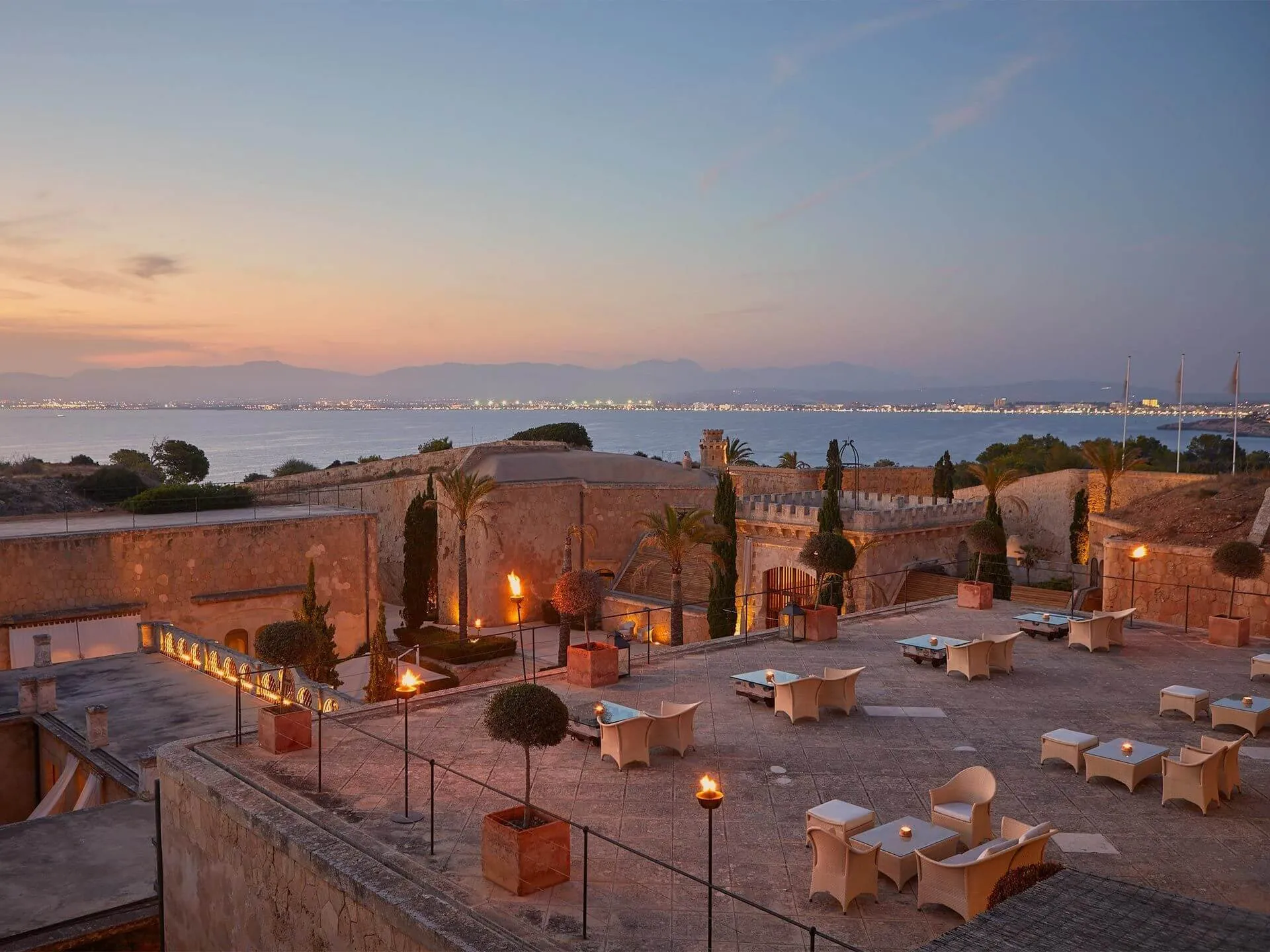
Cala Blava
A 19th-century fortress in a coastal nature reserve on the Bay of Palma, with a spa 12 metres below ground and two restaurants.
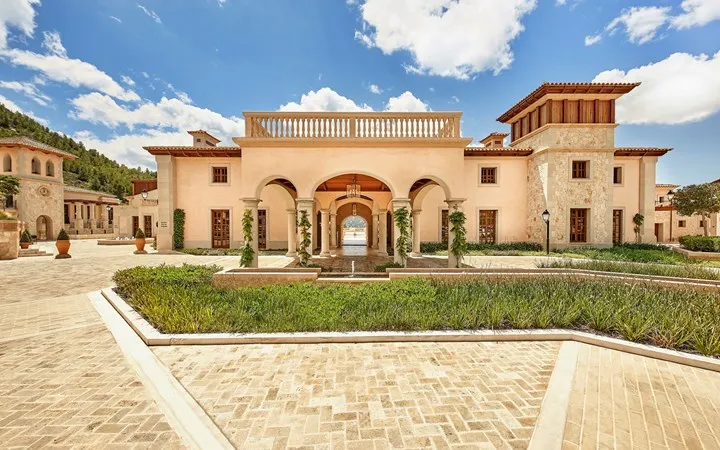
Canyamel
A five-star resort of 142 rooms built like a Mallorcan village in the Canyamel valley, home to the two-Michelin-star VORO.
They are a selection, not the whole choice. Our Mallorca accommodation overview sets out the five hotels we feature on the island base by base, and we arrange others, and private villas, to suit you. Two of them close for part of the winter: Cap Rocat from mid-November to mid-March, and Belmond La Residencia until it reopens in March. For the rest of the country, see luxury hotels in Spain.
Food
Island cooking from its own oil, pork, vegetables and fish, and the tables the MICHELIN Guide stars.
Mallorca’s cooking starts from its own produce: pa amb oli, bread rubbed with the island’s tomato and dressed with olive oil; tumbet, baked layers of potato, courgette, aubergine and pepper; frit, pork fried with potatoes, peppers and spices; the sobrassada and the ensaimada; and fish from its own waters. Its finest tables are in the MICHELIN Guide: VORO, in Canyamel, holds two stars, the only two in the Balearic Islands, and Zaranda, now in Palma’s old quarter, one. In Palma, the Mercat de l’Olivar has sold fish, meat and cheese since 1951, with tapas bars and oyster counters among the stalls.
A morning at the market with a chef, a cooking class or a tasting can be arranged on request. Our Mallorca food and cuisine guide has the restaurants, the wines and the markets in full.
Three landmarks in Palma, two mountain villages, and the experiences we can arrange around them.
Above the seafront

A cathedral in the Mediterranean Gothic tradition. At the start of the 20th century Antoni Gaudí reordered its interior, between 1904 and 1915, and the most recent work is the painter Miquel Barceló’s, in the Chapel of the Blessed Sacrament.
Above Palma, 112 metres up

A Gothic castle of perfectly circular plan, with three towers built into its walls and a fourth, the keep, standing a few metres apart. It sits in its own woods on a hill about three kilometres from the centre, over the city and the bay, and has belonged to the city, woods and all, since 1931.
Facing the Cathedral

The Gothic palace of the kings of Mallorca still follows the outline of the alcazaba beneath it, and its chapel of Santa Anna is a fine example of classic Gothic. The Royal Family’s official receptions are held in its courtyard.
Outside Palma, the mountain villages: Valldemossa, where Frédéric Chopin and George Sand spent the winter of 1838–39 in the Charterhouse, now a museum with short piano recitals, and Deià, where the poet Robert Graves lived at Ca n’Alluny, now a house museum, until his death in 1985.
Around them, and each on request, subject to availability:
There is more in our things to do in Mallorca guide and among the experiences on our Mallorca page.
Three days
Three days take in Palma, the mountains and Valldemossa at an easy pace, from a private transfer on arrival to a farewell dinner. Each is a starting point we shape around you.
Day 1
Arrival
Check in at Cap Rocat, above the Bay of Palma; it is open from mid-March to mid-November.
Afternoon
A walk through Palma’s old town with a private guide, for its Gothic buildings.
Dinner
A tasting menu with wines to match at one of Palma’s Michelin-starred restaurants.
Day 2
Morning
A drive through the mountains with a local guide, and a tasting and cellar visit at a wine estate.
Lunch
Lunch in Deià, then time to yourself, or a visit to an artist’s studio where one is open to visitors.
Afternoon
A sail along the west coast.
Sunset
Drinks by the pool or on a terrace.
Day 3
Morning
Yoga or a treatment at the hotel’s spa.
Midday
Valldemossa with a guide, its Charterhouse included.
Afternoon
A market, then a cooking class with a chef.
Dinner
A farewell dinner at a country estate, with live music on request.
For a longer stay, our four-day Mallorca itinerary takes in Deià, Palma’s old town, a Binissalem wine estate and a sunset sail.
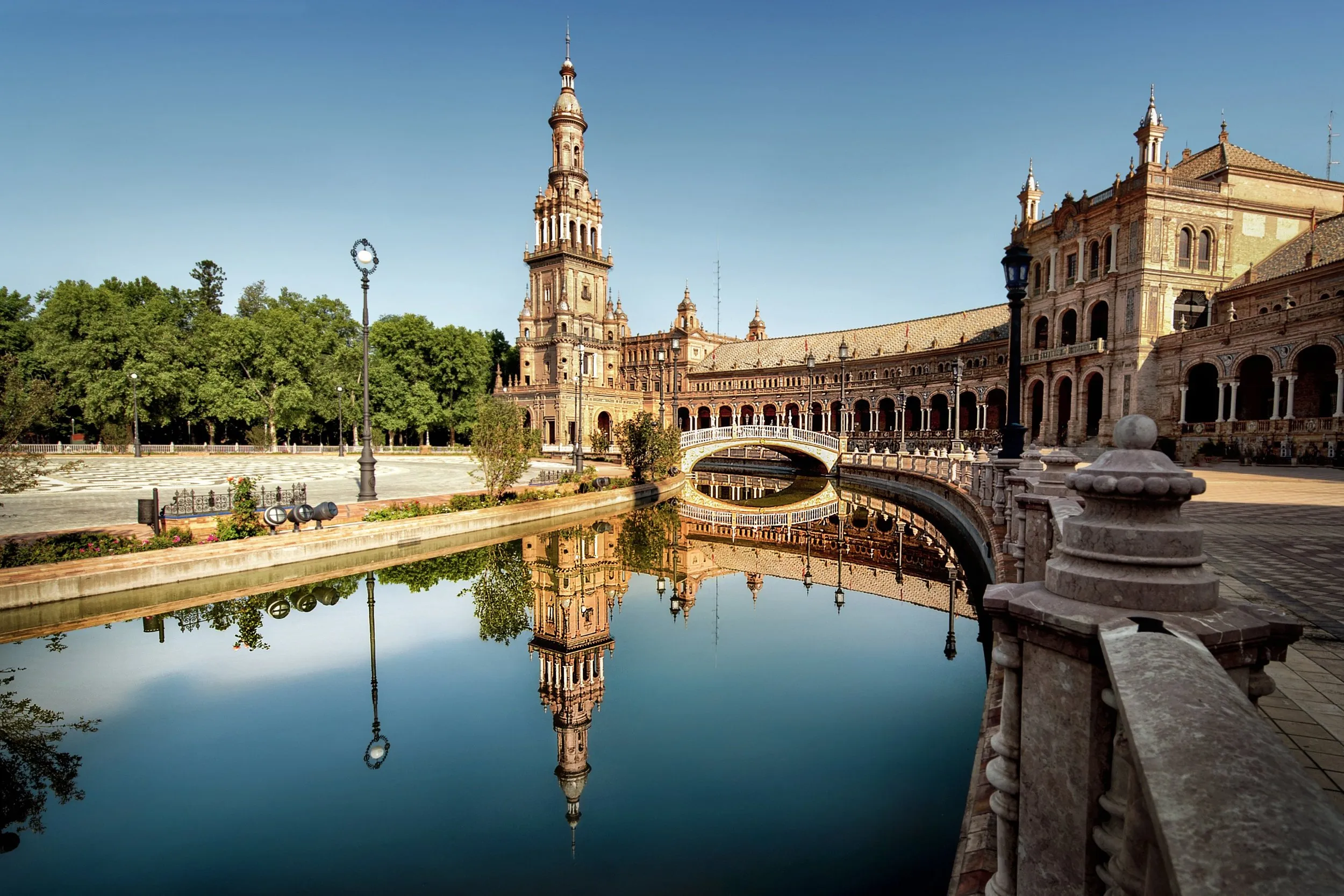
from $27,200 per person
A day at sea, the island from the air, Palma's Cathedral, the wine country and the mountain villages.
The island's table, where to eat, its two wine regions, and the markets and specialities.
Four days, day by day, where to stay, and how to extend the trip.
Season by season and month by month, with the festivals and the summer to plan around.
More city guides: Barcelona, Madrid, Seville and San Sebastián, or all our Spain guides. Across Spain: our luxury travel guide, the 12 treasures of Spain, the top five-star hotels and boutique hotels, why personalisation matters, Spain’s castles and palaces and Spain’s national parks, Cabrera’s archipelago off Mallorca among them.
Tell us your dates and who is travelling. Everything else we can work out together.
Plan your Mallorca trip Our Mallorca page
Usually answered within one business day.