The Grand Spanish Tour
from $27,200 per person
Mallorca guide
Island cooking from the land and the sea, its own wines, and its finest tables.
By Ramin Jafari · Facts checked
Mallorca eats pa amb oli, tumbet, frit mallorquí, arròs brut and sobrassada, with fish from its own waters, an ensaimada at breakfast and wines from Binissalem and Pla i Llevant. Its cooking starts from the island’s own olive oil, pork and vegetables. This guide covers the dishes, the tables we would point you to, the two wine regions, and Palma’s markets and what to take home, with what we can arrange around each.
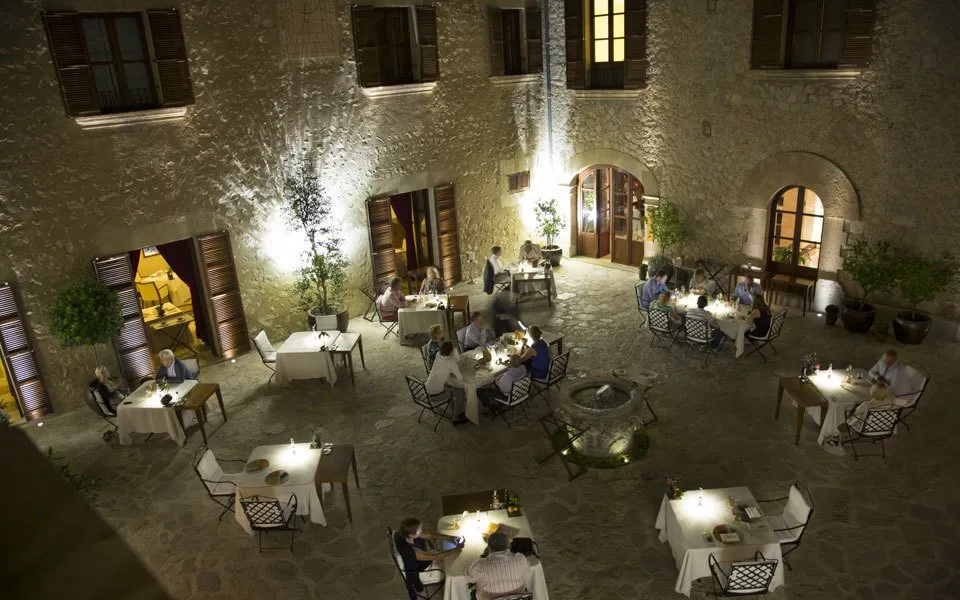
Cooking that starts from the island’s own oil, pork, vegetables and fish.
Pa amb oli is bread rubbed with the island’s ramallet tomato, dressed with olive oil and salt, and often topped with cheese or cured meat. Tumbet layers fried potato, courgette, aubergine and pepper under tomato sauce and bakes them, as a dish of its own or beside lamb or a Mallorcan fish such as llampuga. Frit mallorquí fries pork with potatoes, peppers and spices, with lamb at Easter or with cuttlefish, mussels and prawns as frit mariner, and arròs brut is a spiced, brothy rice cooked with game. At the bar, a variat is a tapa made of many tapas.
Two names travel furthest. Sobrassada is the cured pork sausage reddened with paprika, protected since the 1990s, and made too from the island’s own black pig; the ensaimada, the spiral pastry made with pork lard, has been written about since the 17th century. The olive oil, from the mallorquina, arbequina and picual olives, has its own designation, Oli de Mallorca.
Much of the pleasure is where you eat: a stone finca in the countryside, a terrace above a cove, a courtyard in Palma’s old town.
A selection, from the island’s only two-star table to an easy lunch in Palma. We can reserve these, and others, around your plans.
Palma's old quarter
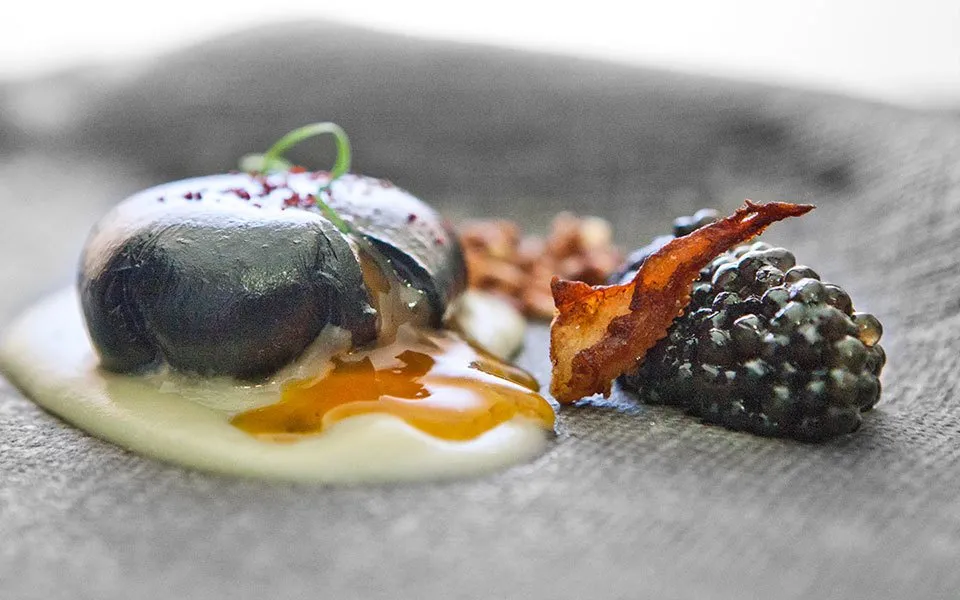
Chef Fernando Pérez Arellano’s restaurant has moved from the countryside to Palma’s old quarter, inside the Es Princep hotel, where the meal moves from one room to the next. The kitchen takes its inspiration from the food of the Balearic islands; the Guide praises its delicate textures and the island’s best produce.
Canyamel, in the east
In its own building at Cap Vermell Grand Hotel, chef Álvaro Salazar cooks what the Guide calls cuisine without constraints, true to his Mediterranean roots. The single menu runs in three stages named for the sun, dawn, zenith and sunset, with nods to his home town of Linares, to Mallorca and to the sea.
Palma's old town
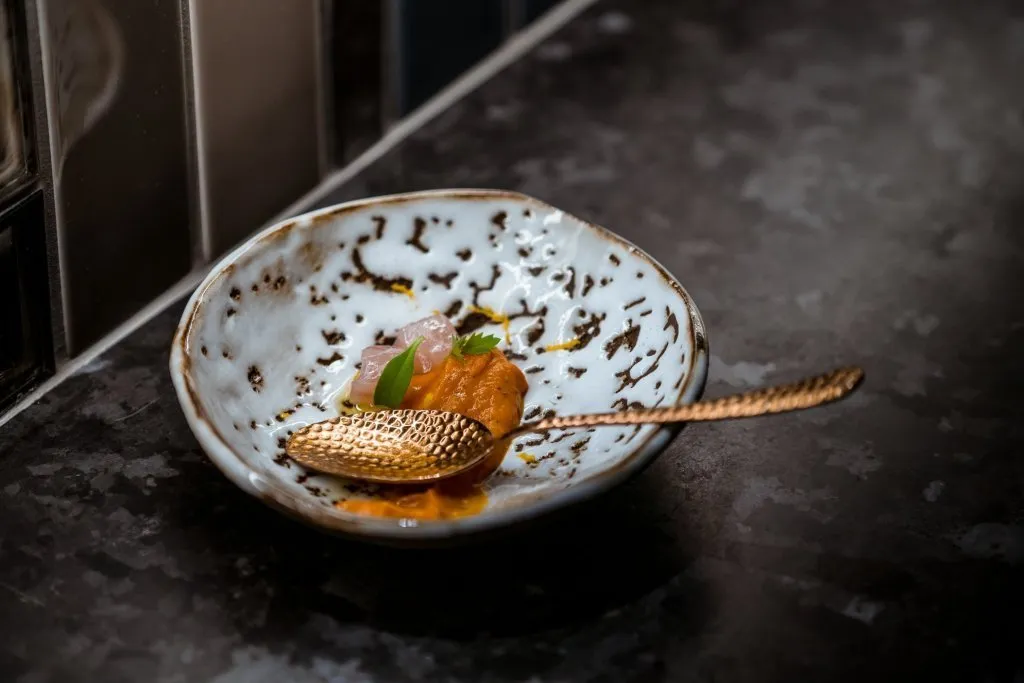
On the ground floor of the El Llorenç Parc de la Mar hotel, Santi Taura revives the island’s old recipes and brings them up to date with the best local produce, putting flavour first. Sit at a table, or at the chef’s counter to watch the kitchen.
Port d'Alcúdia, in the north
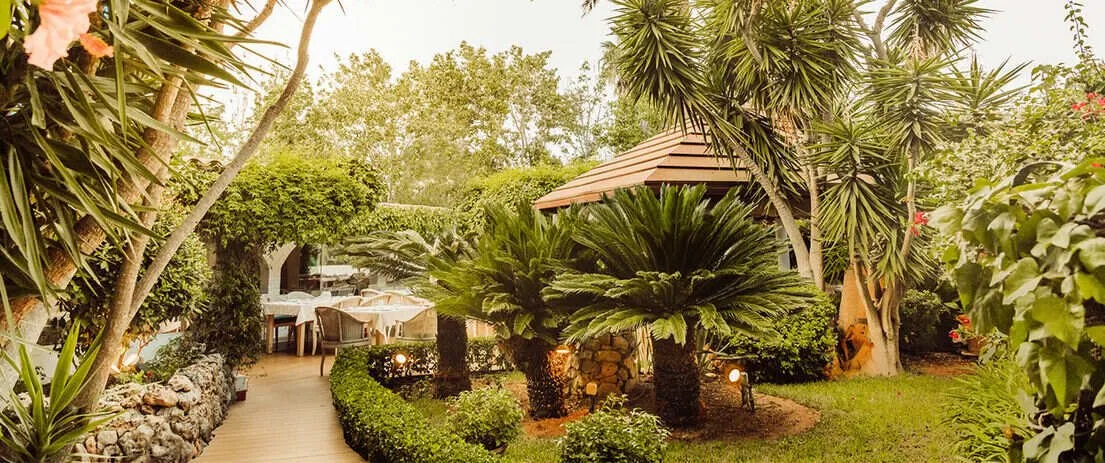
Her family opened the house as Jardín in 1996; in 2011 the restaurant moved upstairs and took Maca de Castro’s name, with the Jardín Bistró, à la carte, below. The tasting menu is creative and Mediterranean, and about nine-tenths of it comes from her own gardens at Sa Pobla, where she brings back island varieties that had almost disappeared.
Caimari, inland
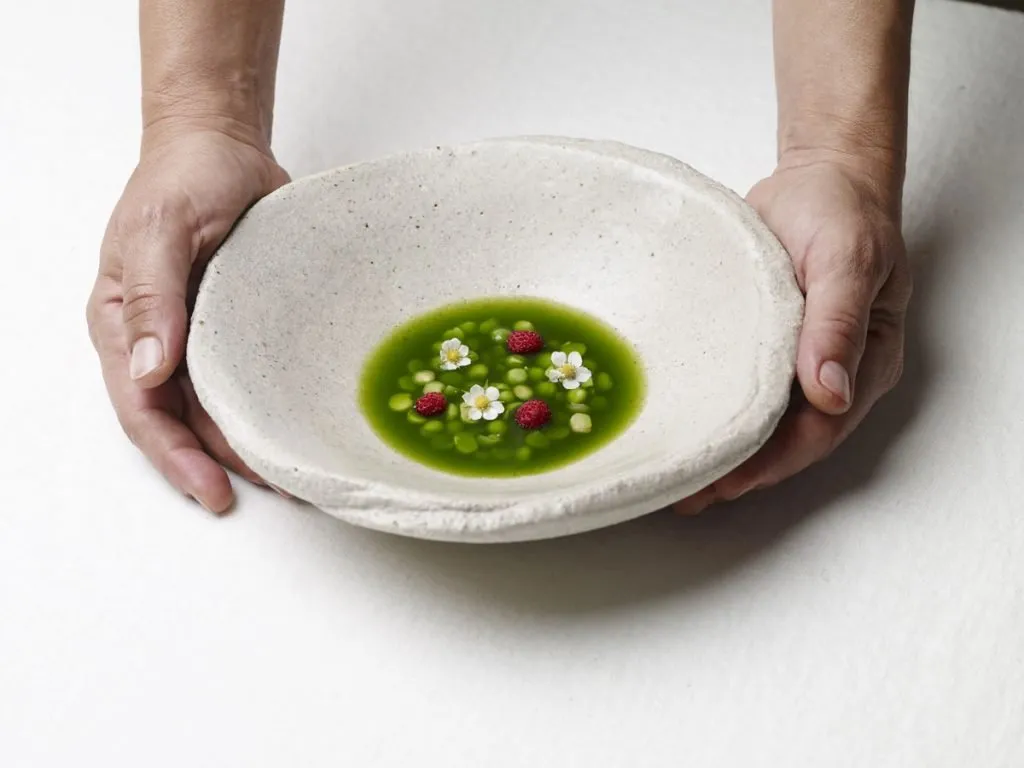
Named in memory of a grandmother, Toneta, and spread over two village houses, one with a small shop of the island’s produce. Chef María Solivellas cooks, in the Guide’s words, with honesty and true devotion to seasonal Mallorcan food, and the main terrace is shaded in part by vines.
Palma, Plaça d'Espanya
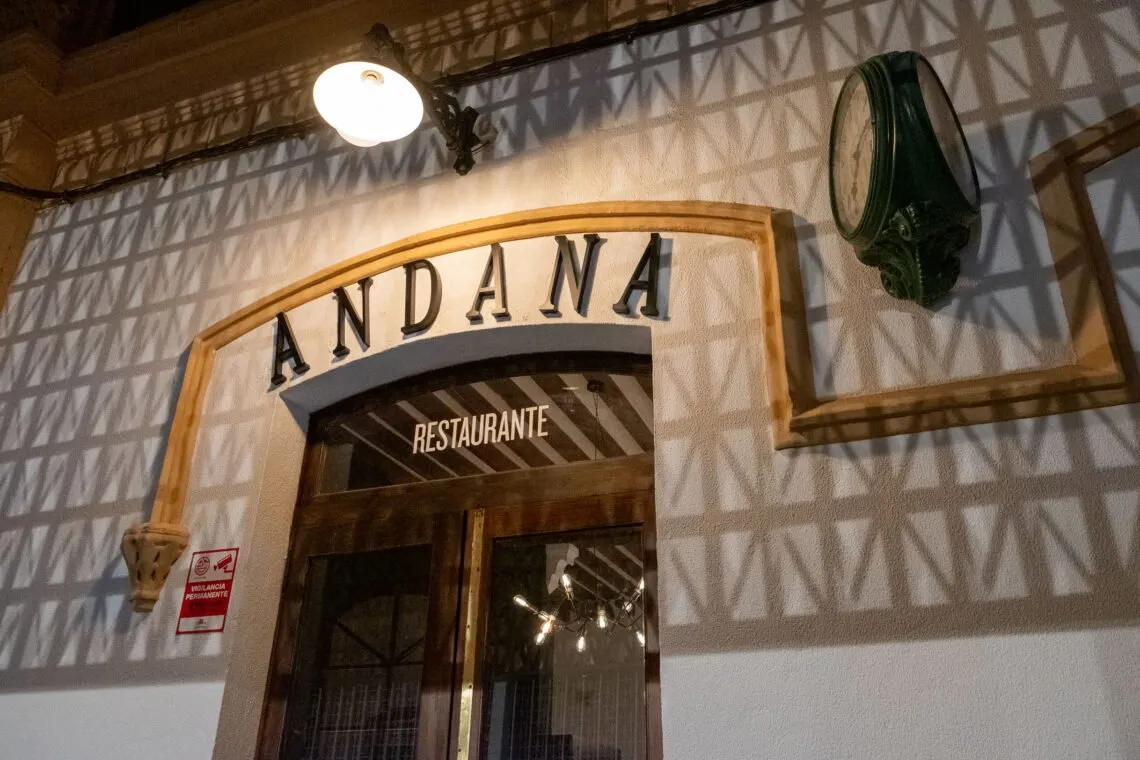
Maca de Castro’s restaurant in Palma, in the island’s first railway station, opened in 1875: cocas, seasonal vegetables, legumes cooked as a paella and patatas bravas. An easy lunch between Palma’s sights.
More of what we arrange on the island is among the experiences on our Mallorca page, and where to stay in Mallorca sets out our hotels base by base.
Wine
Two designations of origin, inland and in the east, and the island’s own grapes.
Santa Maria del Camí to Sencelles
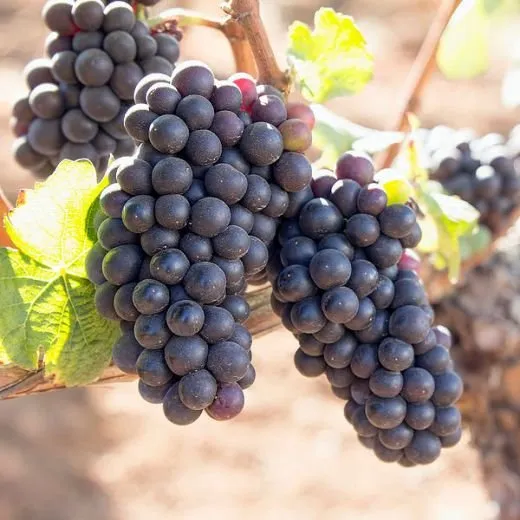
The island’s first designation covers five municipalities inland, Santa Maria del Camí, Consell, Binissalem, Santa Eugènia and Sencelles, sheltered from frost and the north wind by the Serra de Tramuntana. Its reds are at least a third Manto Negro, and its wines, in the D.O.’s own word, Mediterranean. A tasting at a family estate, with island cheese and olive oil alongside, can be arranged on request.
The centre and east of the island
The island’s second designation spreads across nineteen municipalities of the plain and the east, from Algaida and Llucmajor to Manacor, Felanitx and Artà, on clay and limestone, and grows international grapes beside the island’s own. A day among its bodegas can be arranged on request.
In the mountains of the north-west, the Serra de Tramuntana has a protected geographical indication of its own, Serra de Tramuntana-Costa Nord, whose white Malvasía the Balearic quality institute singles out.
Markets
Palma’s two great markets, and what to take home from the island.
Palma, Plaça de l'Olivar
Palma’s central market: fish and shellfish, meat, cheese, fruit, vegetables and wine, with bars for tapas among the stalls and oyster counters that will open them, or grill them, for you to eat on the spot. A morning here with a chef, and a cooking class after, can be arranged on request.
Palma, by the port
In the Santa Catalina quarter, close to the sea, the market sells fish, meat, hams and charcuterie, cheese, olives, fruit and vegetables, ensaimadas and the island’s cakes, with bars and restaurants among the stalls.
To take home: sobrassada de Mallorca, protected since the 1990s, in its black-pig version too; ensaimadas, from Ca’n Joan de s’Aigo, making them in Palma since 1700, or from the Forn des Teatre on Plaça de Weyler, behind its carved modernista shopfront; Oli de Mallorca, the island’s protected olive oil; Mallorcan almonds, with a protected indication of their own; and Flor de Sal d’es Trenc, sea salt harvested by hand on the south coast.
from $27,200 per person
When to go, where to stay, the food, Palma's landmarks and three days on the island.
A day at sea, the island from the air, Palma's Cathedral, the wine country and the mountain villages.
Four days, day by day, where to stay, and how to extend the trip.
Season by season and month by month, with the festivals and the summer to plan around.
Beyond Mallorca: our culinary and wine tours across Spain, our guide to Spanish gastronomy, the best wine regions of Spain and luxury hotels in Spain.
Tell us your dates and who is travelling. Everything else we can work out together.
Plan your Mallorca trip Our Mallorca page
Usually answered within one business day.