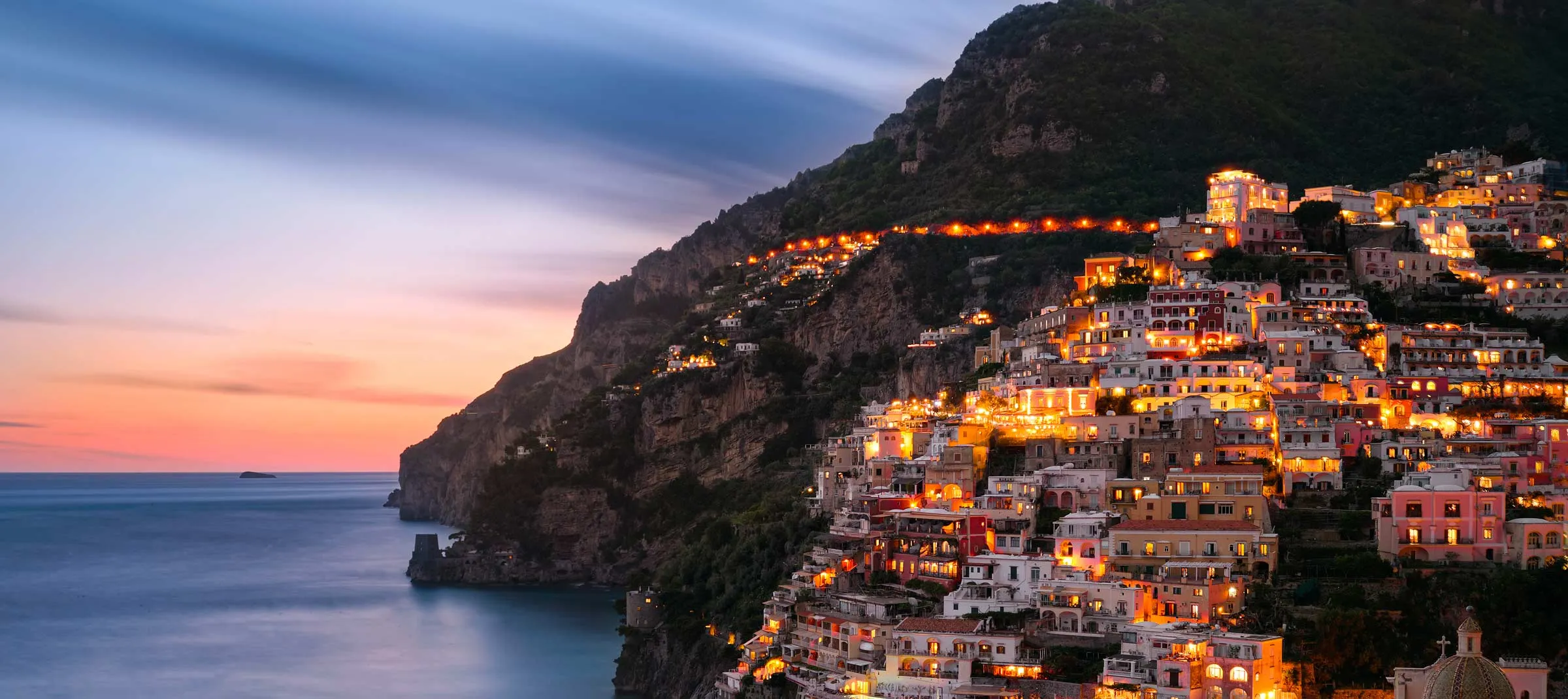
Spring April to June
Warm and settled: highs climb from about 19°C (66°F) in April to 28°C (82°F) in June in Rome, a degree warmer in Florence and a little cooler in Venice. Everywhere works.

Italy
One region given time, or a route from the lakes to the sea.
The Rialto Bridge, Venice
Italy in its cities and its country: ancient Rome and the Vatican, Florence and the Renaissance, Venice on its lagoon, the Amalfi Coast, the Tuscan hills and the lakes beneath the Alps. Avelia, based in Málaga, plans private, tailor-made trips to Italy.
A trip with us typically includes hotels, private transfers, guided days and restaurant reservations, and always support while you travel.
01Where to go
Rome, Florence and the Amalfi Coast each open a page of their own. We arrange the others just as readily, and the note on each says what it is like.
Map data © OpenStreetMap contributors
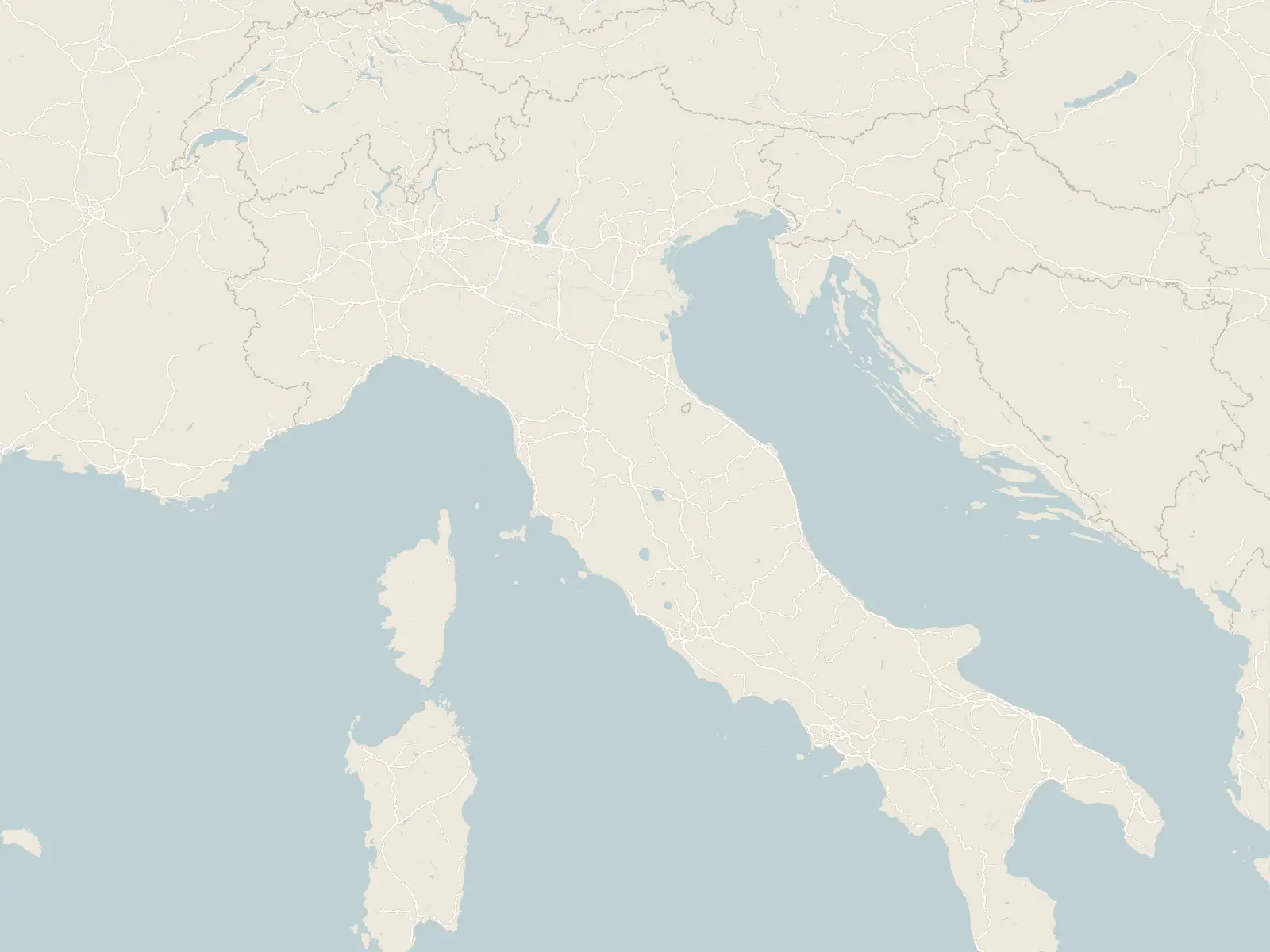
The map runs from the Alps to the Amalfi Coast, with Sardinia to the west. Each city is pinned where it stands, each region at its centre, and the coast, the lake and the mountains at Amalfi, Bellagio and Cortina d’Ampezzo. Rome to Florence is about 230 km in a straight line, Florence to Venice about 200.
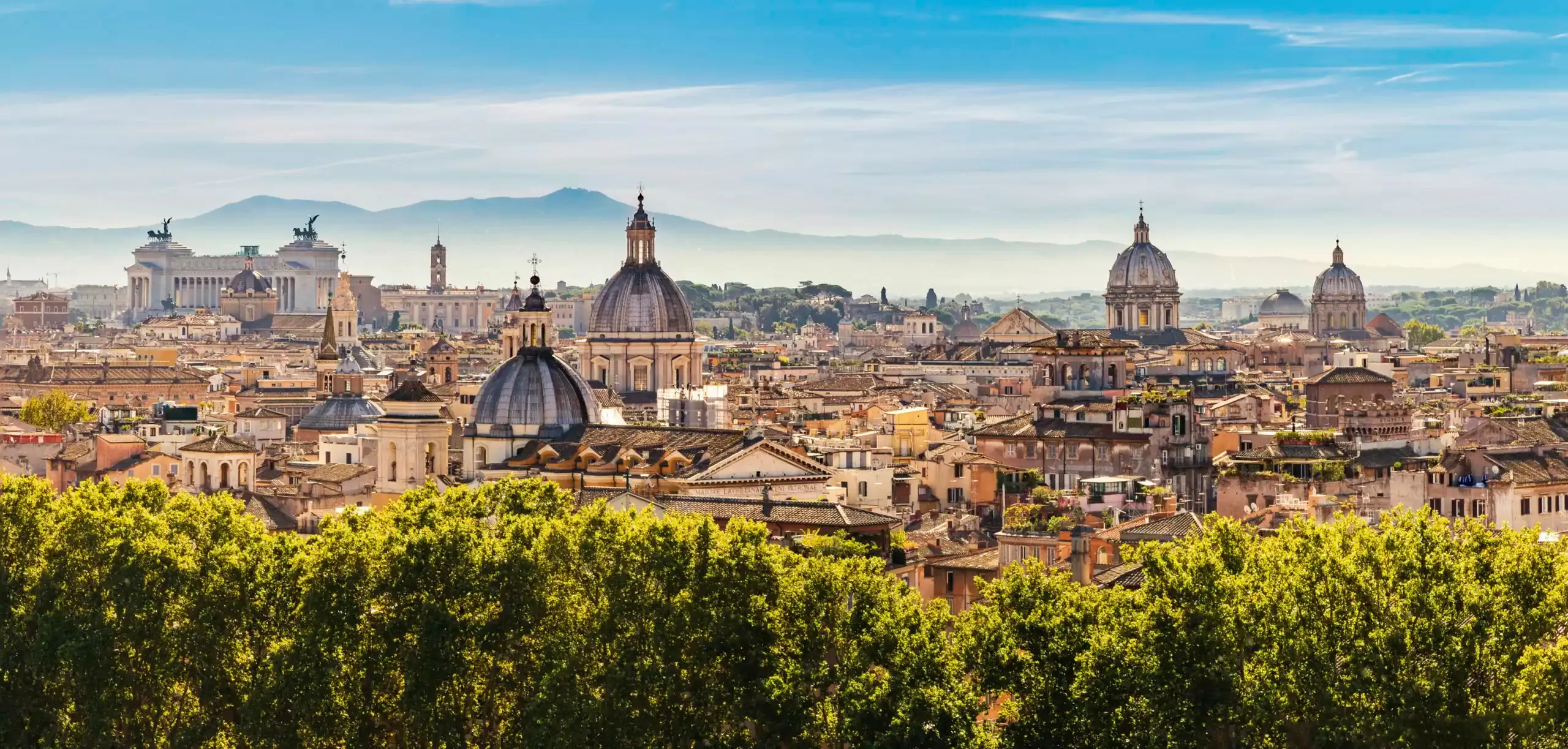 Rome The Forum, the Colosseum, the Vatican and St Peter's
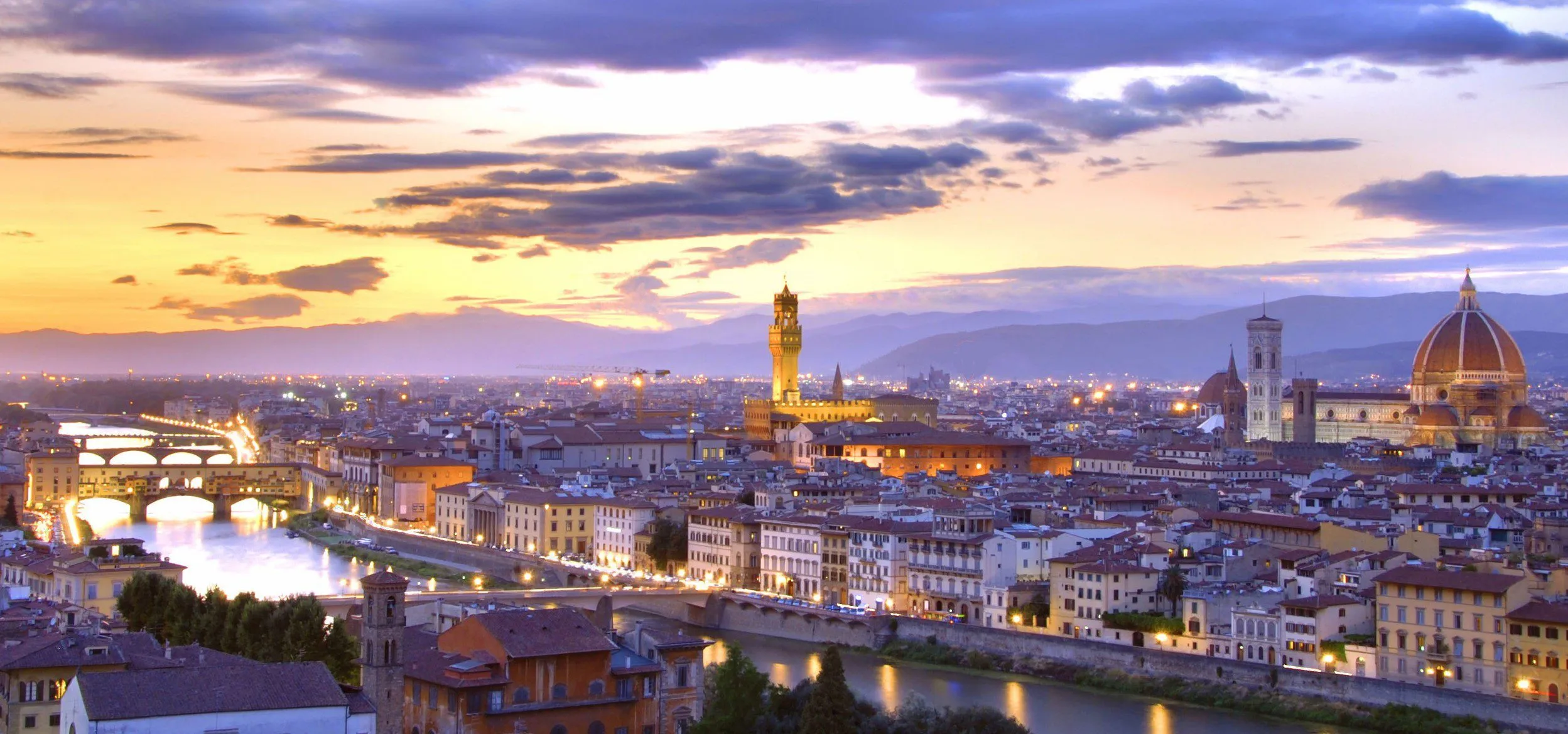 Florence Brunelleschi's dome, the Uffizi and the Pitti Palace
City
Venice
A city spread over 118 small islands in its lagoon since the 5th century: the Grand Canal and its palazzi, Titian and Tintoretto in its churches, glass on Murano; on the World Heritage List since 1987, two hours from Florence by train. Best for two or three nights, and as the way north to the lakes or the Dolomites.
Region
Tuscany
Beyond Florence: the Chianti Classico hills between Florence and Siena, Siena's Gothic centre, San Gimignano's towers and the Val d'Orcia, each on the World Heritage List, and the Medici villas. Best for a villa, the wine and slow days.
Region
Umbria
The hill towns between Rome and Florence: Assisi, Saint Francis's birthplace, where Giotto and Cimabue painted the Basilica of San Francesco, on the World Heritage List since 2000, and woods where the truffles are hunted. Best for a quieter week, or a few days between the two cities.
Region
Lake Como
A long lake under the Alps, about 50 km north of Milan, lined with villas and gardens: Bellagio where its arms meet, Villa del Balbianello on its point, left to the FAI in 1988, and Isola Comacina, its only island. Best for slow days by boat, at the end of a route through the north.
Region
The Dolomites
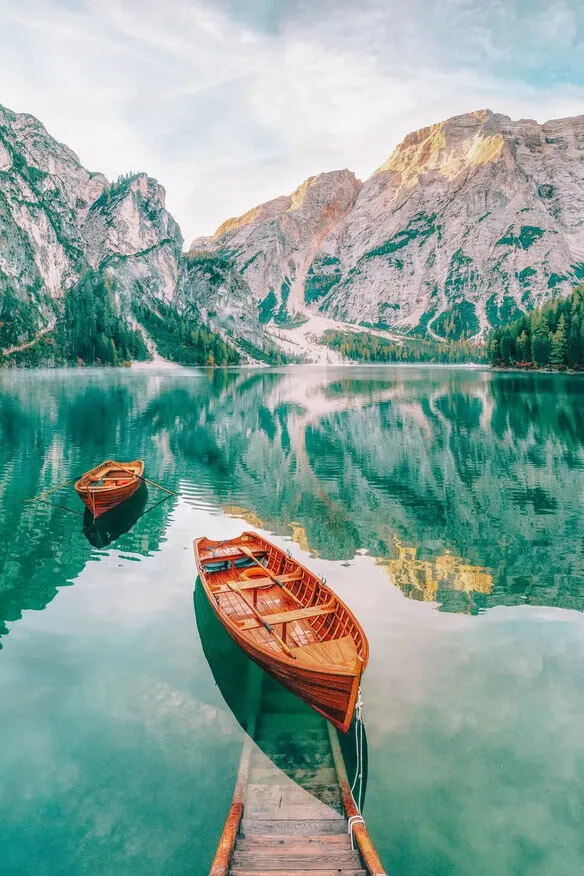
Pale limestone peaks in the north-east, eighteen of them above 3,000 m, on the World Heritage List since 2009: Cortina d'Ampezzo, green lakes such as Braies, walking in summer and skiing in winter. Best for the mountains after the cities, north from Venice.
Island
Sardinia
An island of its own: the Costa Smeralda and the La Maddalena archipelago, a national park since 1994, with clear water for sailing, and inland the Bronze Age towers of Barumini, on the World Heritage List since 1997. Best for a week on the water.
02Inspiration
Each of these is arranged privately for your dates, subject to availability.
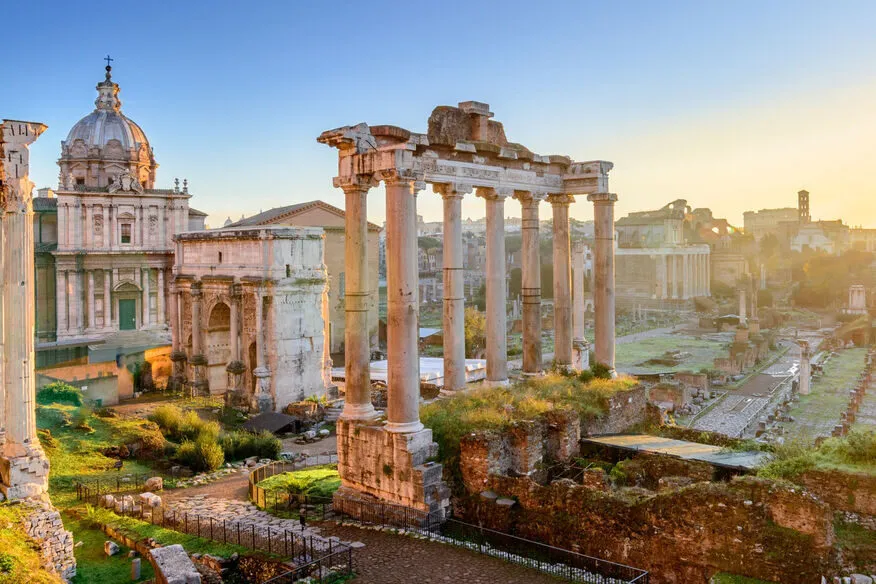
Rome’s Forum and Colosseum, the Vatican Museums and the Sistine Chapel, Florence’s Uffizi and the towns of Tuscany, each with a guide who knows them — and Pompeii, Ostia Antica and an evening at La Scala.
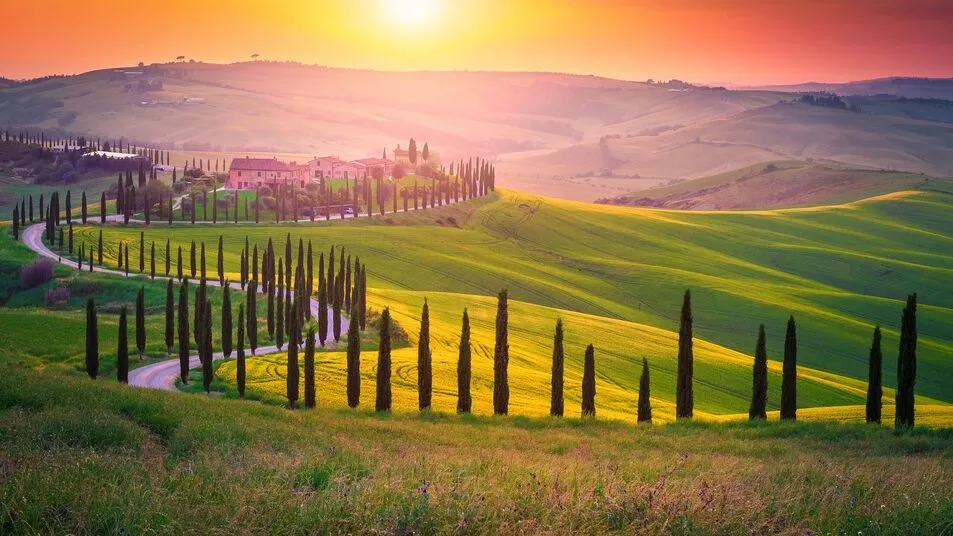
Tastings with the families who make the wine in Chianti, truffles hunted in the woods of Umbria and Piedmont, and cooking classes from Florence to Naples, with the tables reserved for you.
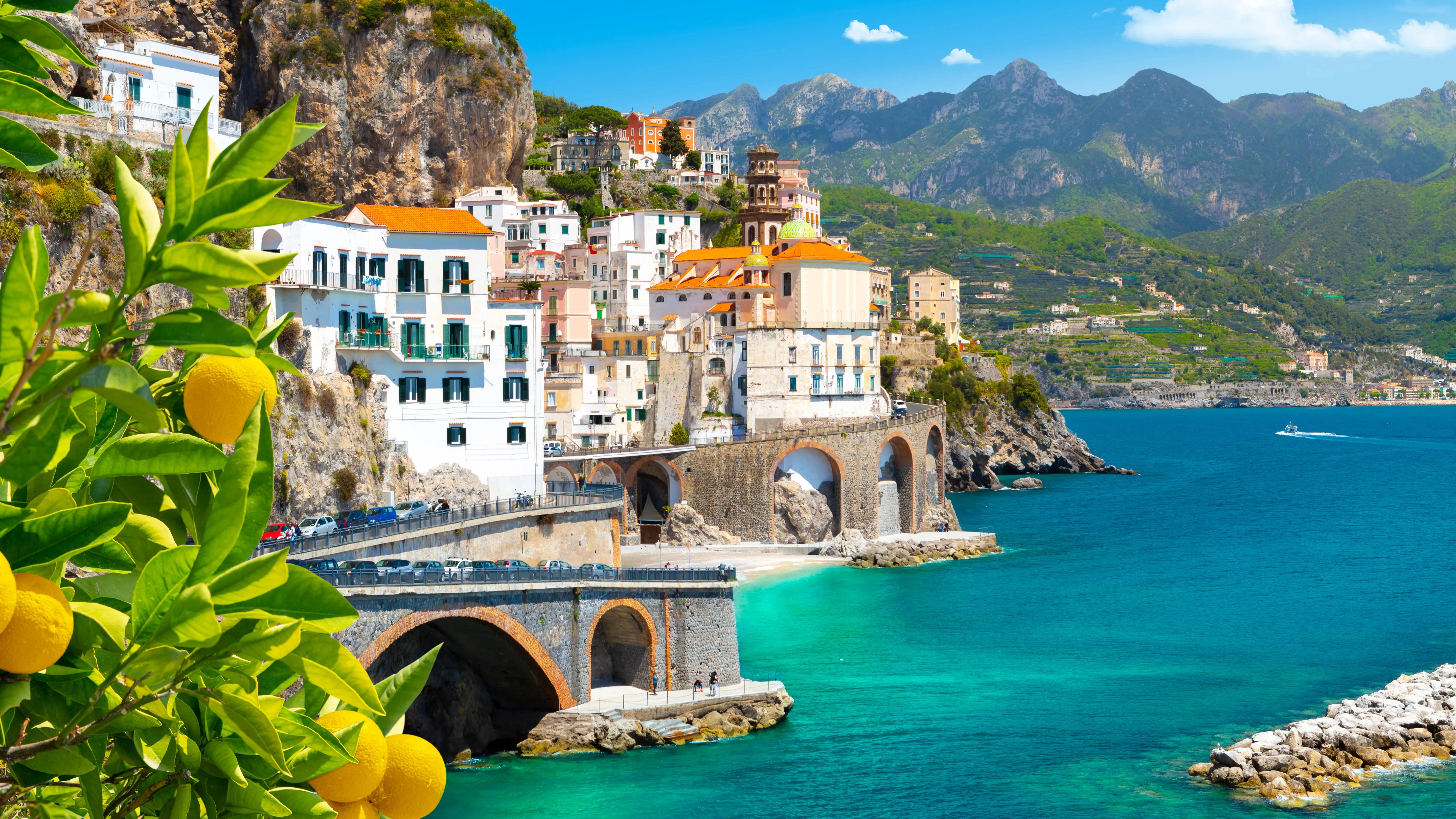
The Amalfi Coast and Capri from the water, Lake Como’s villages by private boat, a gondola in Venice, walking in the Dolomites, a yacht off Sardinia and Tuscany’s warm springs.
03Seasons
Warm and settled: highs climb from about 19°C (66°F) in April to 28°C (82°F) in June in Rome, a degree warmer in Florence and a little cooler in Venice. Everywhere works.
The season for the Amalfi Coast, Sardinia, the lakes and the Dolomites; Venice is a little cooler, with highs of 28–29°C (82–84°F).
Heat: Florence averages highs of 32°C (90°F) in July and August, Rome 31°C (88°F). In the cities, take the mornings and the evenings; give the afternoons to water or shade.
The other best season: highs ease from 26–27°C (79–81°F) in September to 22°C (72°F) in October in Rome and Florence, and from 24°C (75°F) to 19°C (66°F) in Venice.
EventsAlba's white truffle fair, from mid-October into December: 10 October to 6 December in 2026.
Cool: January highs of about 12°C (54°F) in Rome and Florence and 8°C (46°F) in Venice. November is Rome's wettest month, with rain on about ten days.
EventsVenice's Carnival, in the weeks before Lent: 23 January to 9 February in 2027.
04Shape your trip
Each route is a starting point, tailored to you, and any of them can run on into Spain or France.
7 days
7 days
10 days
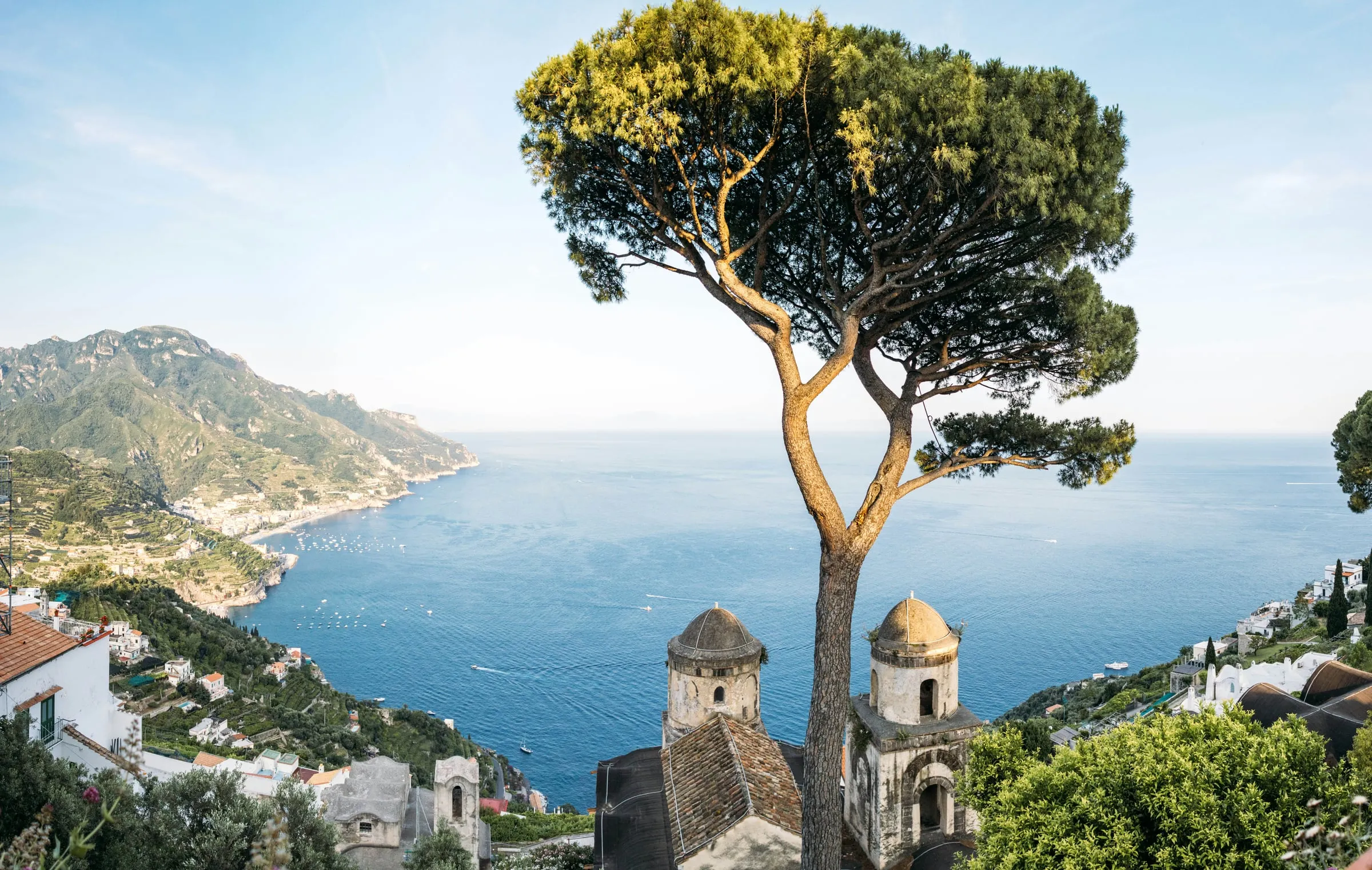
from $18,900 per person
05Planning with Avelia
We start with which parts of Italy, and in what order — the cities by train, the coast, the lakes or the countryside by road — then choose the hotels, and only then fill the days. Ramin Jafari plans it from Málaga, where Avelia is based, and is your contact until you are home.
Tell us your dates, who is travelling and the pace you like, and whether Spain or France belong in the same journey.
Before any payment, we send a written proposal with a quoted trip price and what it includes — such as a palazzo in Rome, first-class seats on the high-speed trains, and the Vatican and the Uffizi booked ahead — and refine it with you.
Once you approve the proposal and complete the agreed booking requirements, we confirm your arrangements. We coordinate the details and support you while you travel.
Financially protected. Your payments for a package trip are covered against our insolvency by a guarantee with AXA. Plan with peace of mind
Your proposal sets out the arrangements included in your trip.
06Questions
Every trip is priced individually. After discussing your plans, we prepare a tailored proposal with a quoted trip price and a clear outline of what is included.
Ten to fourteen days suits most first trips: time for Rome, Florence and Venice, or two of them and the coast or the countryside. A week does one city and one region well. Our sample routes above run from seven days to ten.
April to June and September to October suit almost the whole country. July and August are hot in the cities — Florence averages 32°C — and belong to the coast, the lakes and the mountains. Winter is cool, with January highs of about 12°C in Rome and Florence, and brings Venice’s Carnival.
Yes. We plan all three, and a journey that begins in one and ends in another is common — Madrid or Barcelona and then Rome, or the French Riviera before the Italian lakes. Our Spain and France pages set out where to go in each, and all our destinations are on one page.
All of it. Rome, Florence and the Amalfi Coast have pages of their own here; we arrange Venice, Tuscany, Umbria, Lake Como, the Dolomites and Sardinia just the same, and beyond them Milan and La Scala, Bologna, Naples and Pompeii, Puglia and Piedmont’s truffle country.
By high-speed train between the cities: Rome to Florence in about an hour and a half, Florence to Venice in about two, Rome to Naples in a little over an hour. For the Tuscan countryside, the Amalfi Coast and the Dolomites, a private driver; on the coast and the lakes, often a boat. We arrange each leg, first-class seats included.
No. English is widely spoken in the major cities and in luxury hotels, and the guides we arrange work in English. A few words of Italian are always appreciated.
Italy is in the Schengen area. Citizens of the United States and the United Kingdom do not need a visa for tourism for stays of up to 90 days in any 180-day period. Longer stays, or travel for work, study or residence, need a visa arranged in advance. Visa-free visitors also meet the EU’s Entry/Exit System, which since April 2026 registers fingerprints and a photograph at the border in place of a passport stamp, and will need ETIAS, an online travel authorisation the EU is introducing; the EU’s own travel-europe.europa.eu page gives its current status. Check your own nationality’s requirements before you book.
Both. We plan complete trips, and we also arrange a stay on its own: a hotel matched to you, with transfers, a guide or a few reservations added if you wish.
Avelia suits travellers who want a private, well-paced trip planned around them: the right places in the right order, hotels chosen for them, guides who know the ground, tables and tickets taken care of, and one point of contact from the first conversation until they are home.
Ten to fourteen days for three places in Italy, or a week for one city and a region: tell us your dates and who is travelling.
Usually answered within one business day.