Paris and Provence
from $18,900 per person
Paris guide
Fourteen places, each with why to choose it, how long to allow and what it pairs with.
By Ramin Jafari · Facts checked
Planning
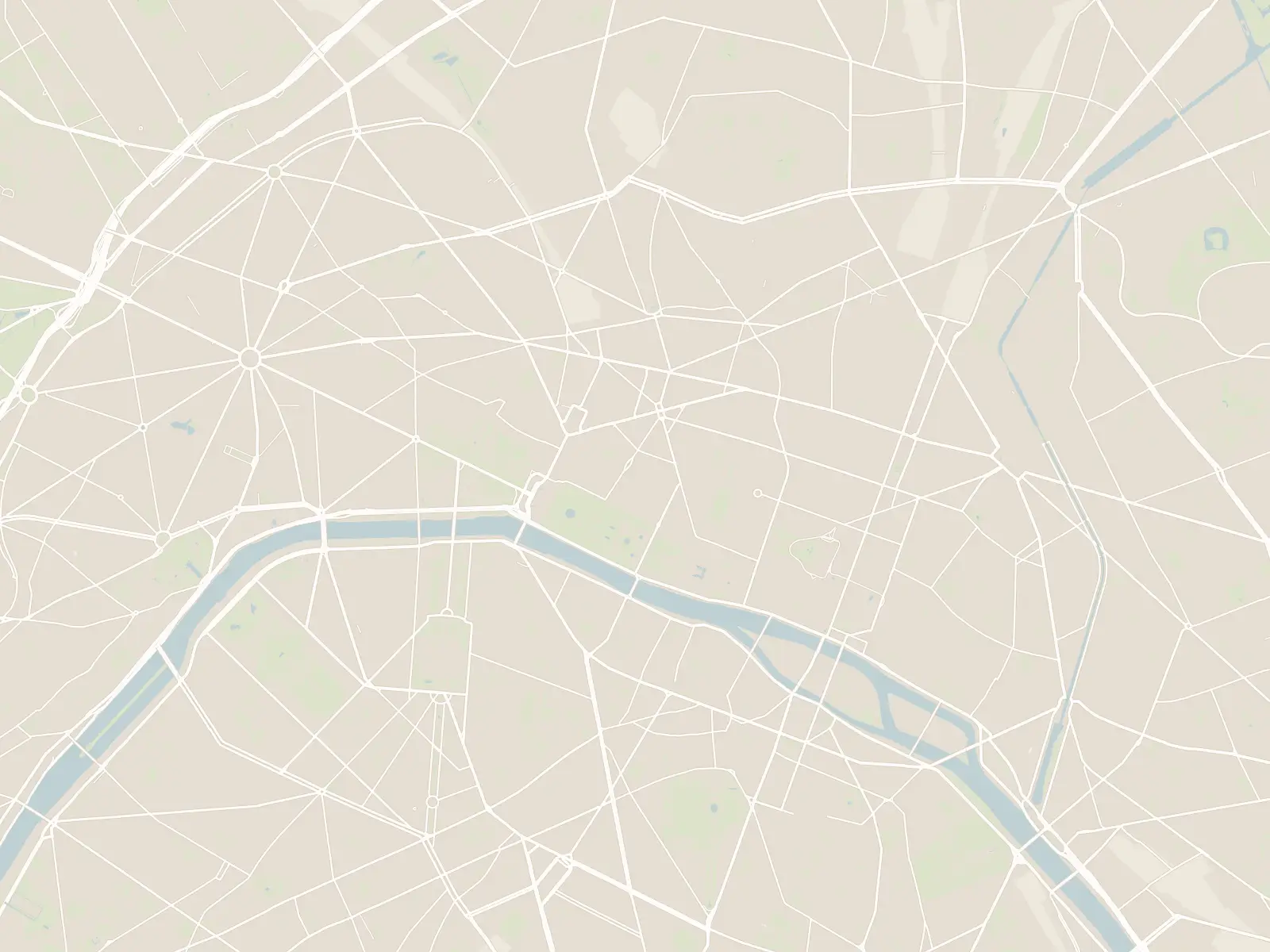
Where everything is, two shapes for a short stay, and the constraints that decide the order.
Map data © OpenStreetMap contributors
Days out: Versailles · Giverny · Champagne — each a day of its own, from the city.
Two days: the Louvre on the first morning and the Orsay on the second; the Île de la Cité and Saint-Germain in the afternoons; the Eiffel Tower at dusk one evening and the Seine by boat the other. Four days: add a day for Versailles and a day for the Marais and Montmartre, with the Orangerie or the Rodin after whichever great museum was shorter.
The constraints. The Louvre is closed on Tuesdays and the Orsay on Mondays, so a short stay puts the Orsay on a Tuesday and the Louvre on a Monday, never the other way round. Both admit by timed entry and the slots sell out in season, which is why we reserve them as soon as your dates are fixed. Giverny closes for the winter, so a day there belongs to a stay between April and the start of November. The times given for each place are what we allow; queues and security checks can lengthen them.
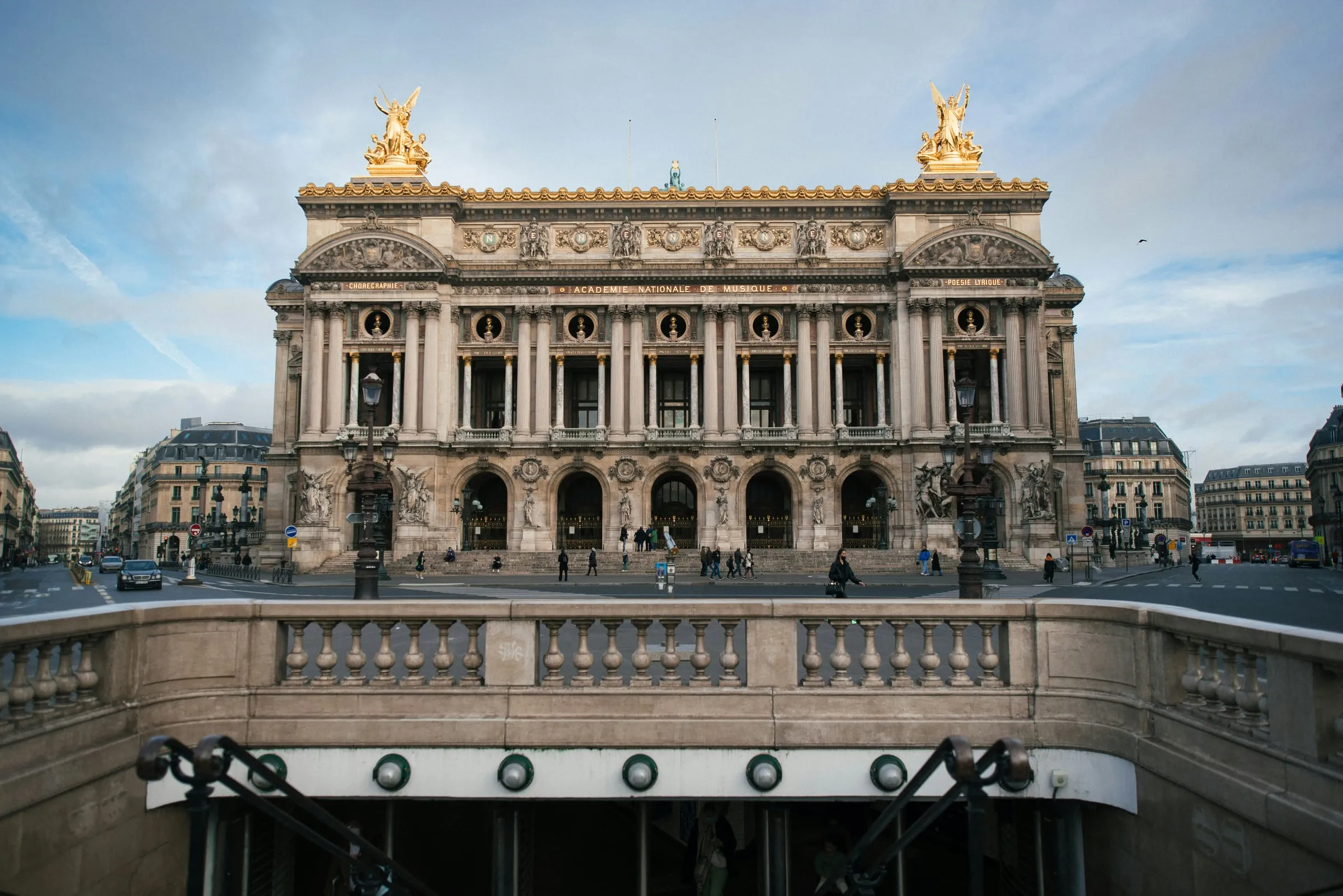
Eleven places, from the two great museums to the quarters you walk. The Palais Garnier is on the cover.
The Right Bank, 1st arrondissement
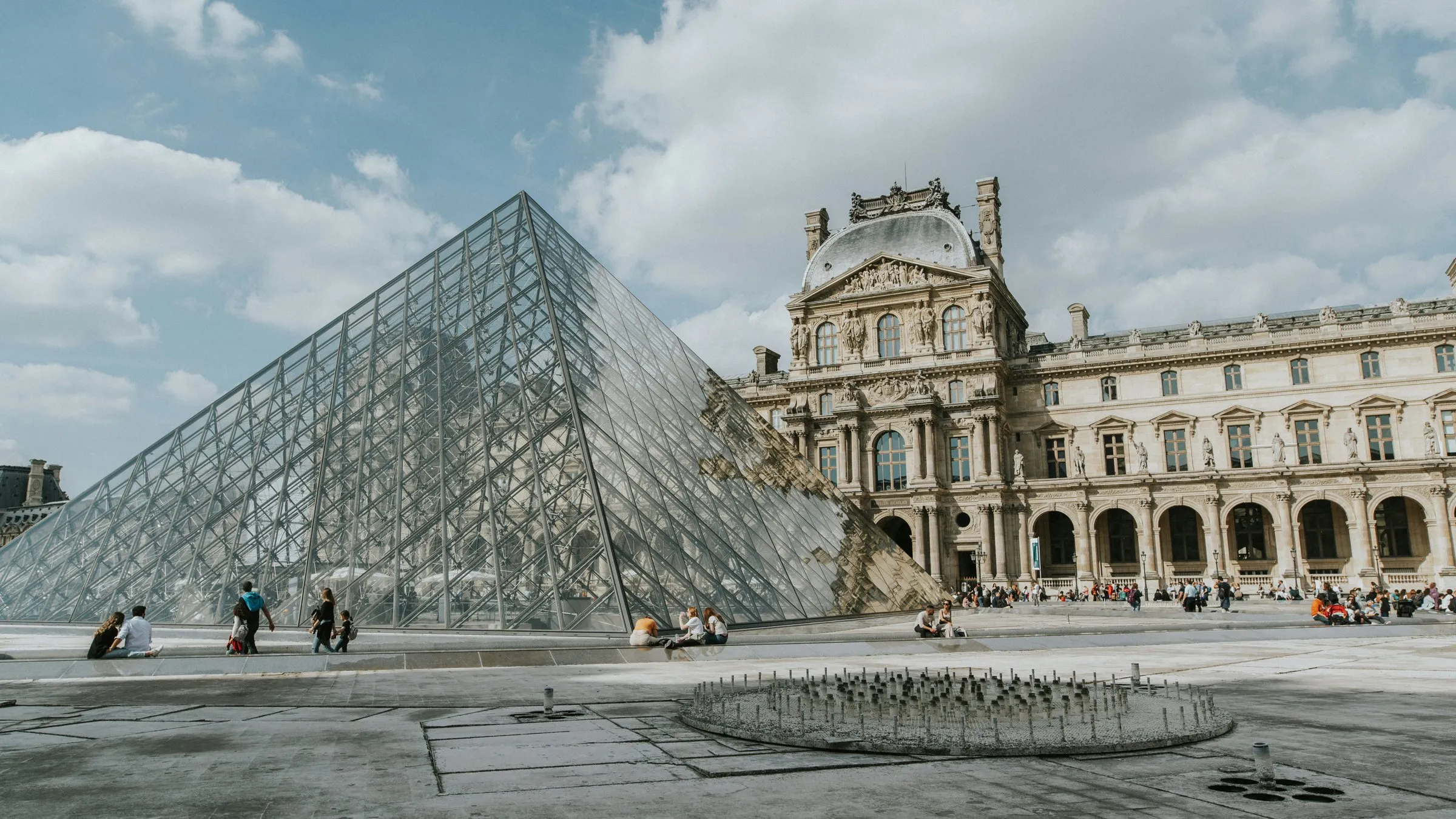
Why: the one museum a first visit cannot leave out, for the Mona Lisa, the Venus de Milo and the Winged Victory at the head of the Daru staircase — and for the palace itself, with I. M. Pei’s glass pyramid of 1989 as its symbol. What to know: it is vast, so a guide and a route matter more here than anywhere; without one, choose a wing and stop when you have seen it. Timed entry sells out in season; we reserve it. Pairs with: the Tuileries, Le Nôtre’s garden of 1664 running west from the palace, and the Orangerie at its far end.
The Left Bank, 7th arrondissement
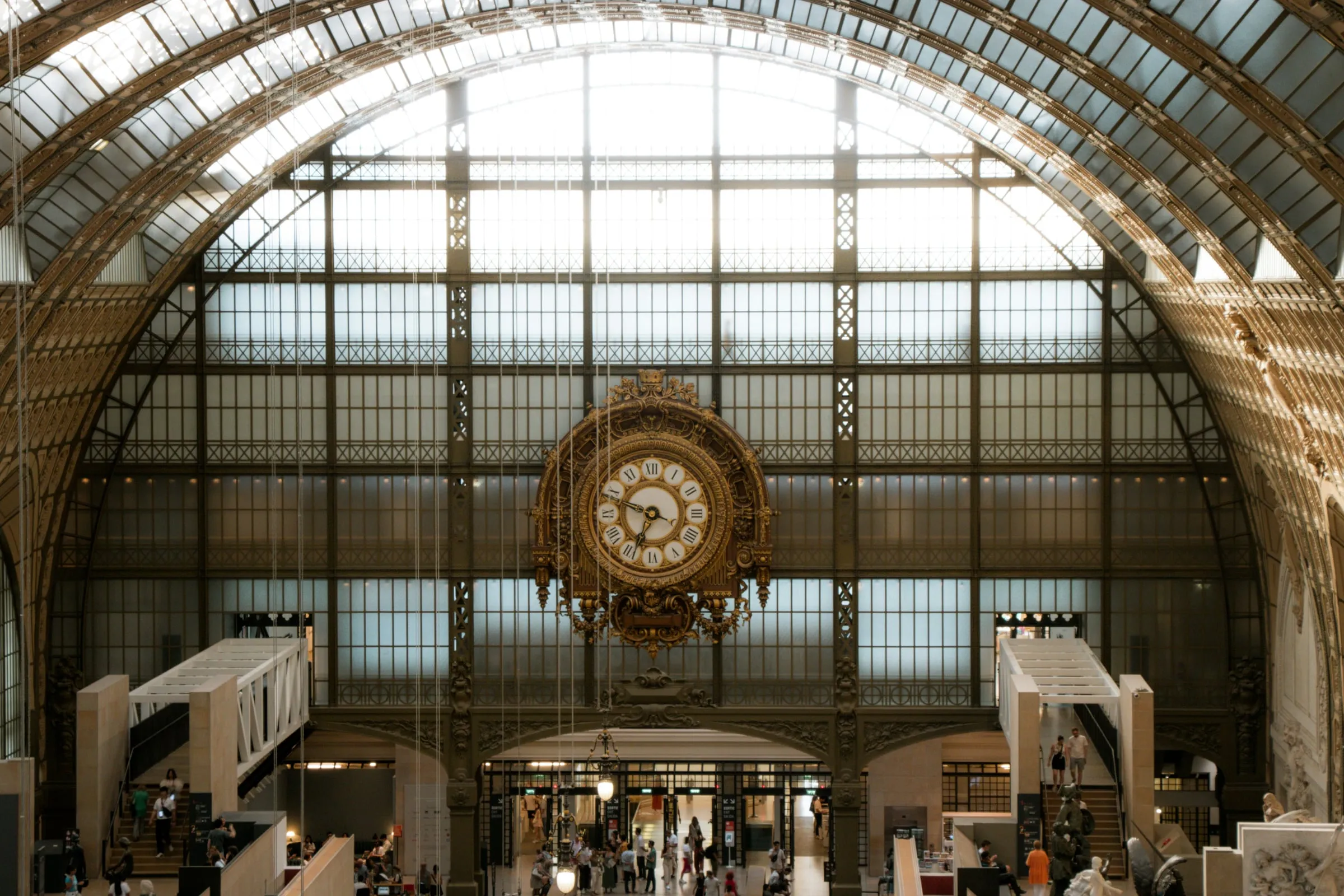
Why: the Impressionists — Monet, Renoir, Van Gogh — in the railway station of 1900 that became a museum in 1986; if you have one museum morning, many people are happier here than at the Louvre, because it can be seen whole. What to know: entry is by reservation and the slots go in season; we reserve it. Pairs with: the Rodin, a short walk west along the same bank, or Saint-Germain for lunch.
The Tuileries, at the Place de la Concorde
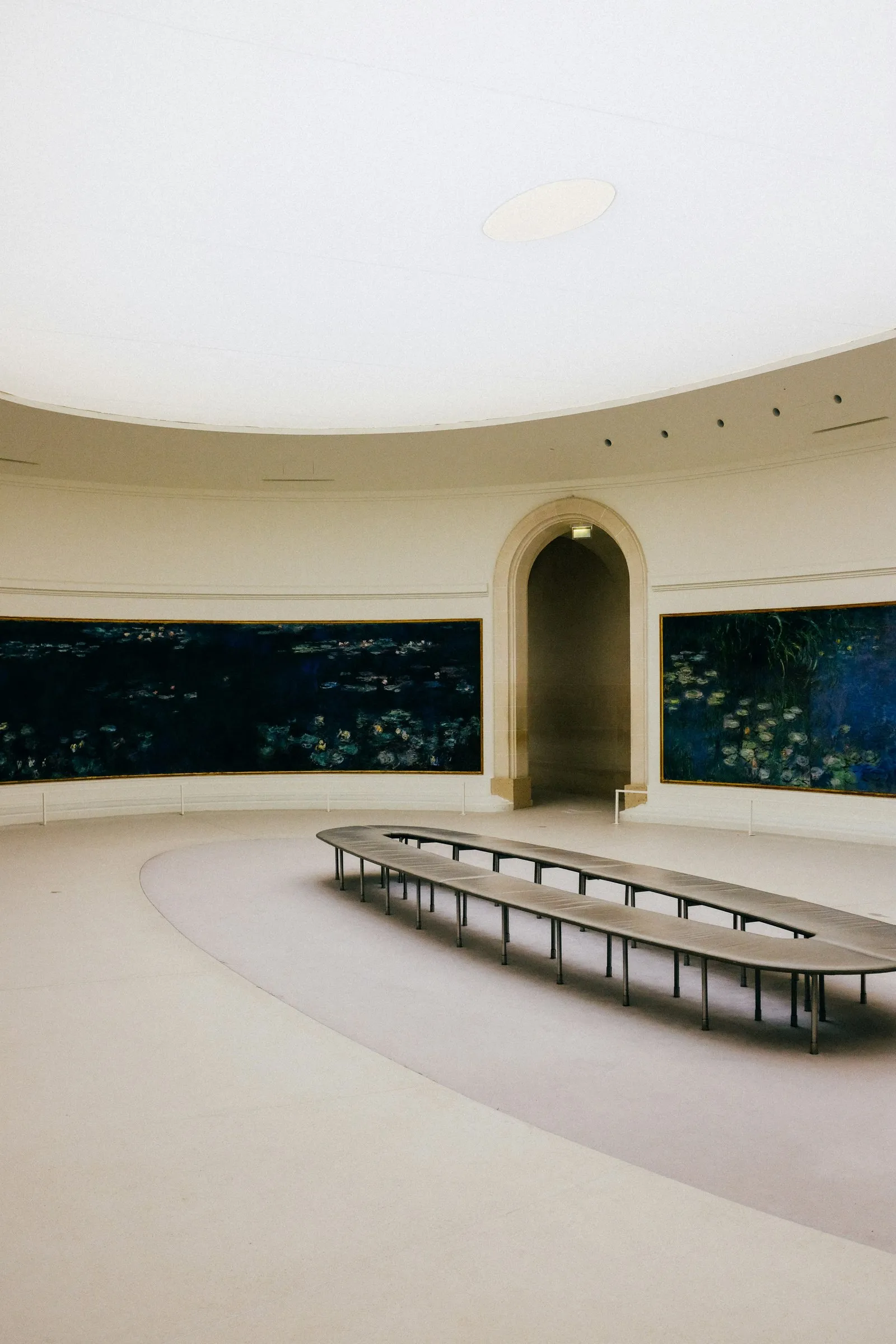
Why: Monet’s Water Lilies as he meant them to be seen, eight compositions in two oval rooms he designed, installed in 1927; the Walter-Guillaume collection downstairs is a second reason. What to know: small enough to add to a Louvre day without tiring anyone; we reserve the time. Pairs with: the Louvre and the Tuileries before it, or Giverny, where the paintings began.
Rue de Varenne, 7th arrondissement
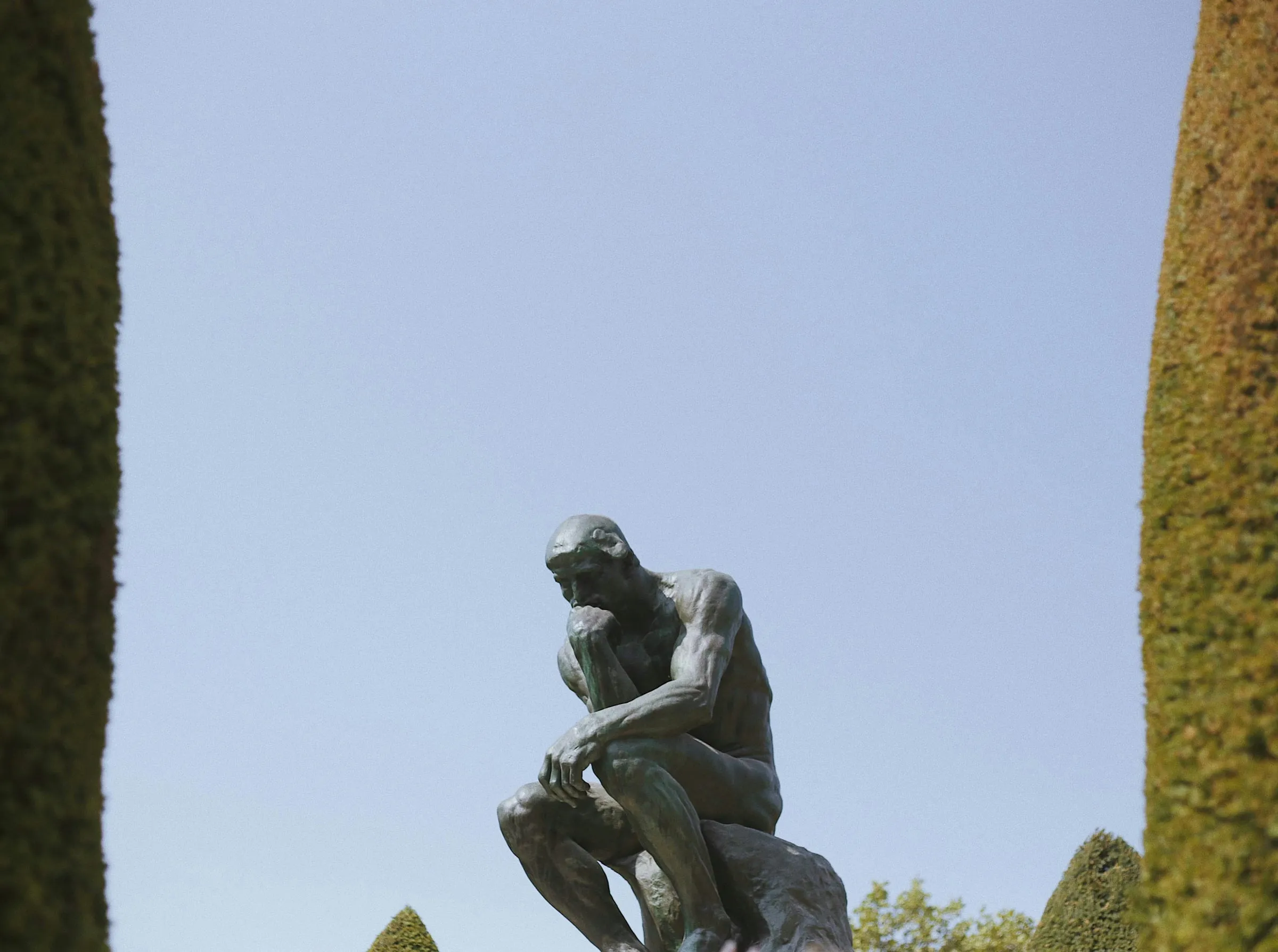
Why: the bronzes in the open air — The Thinker facing The Gates of Hell, the Burghers of Calais — in three hectares of garden around the mansion where Rodin’s museum opened in 1919, with Camille Claudel’s work inside. What to know: the garden is the point, so save it for a dry afternoon; it is the quiet museum to add after the Orsay. Pairs with: the Orsay in the morning, Saint-Germain after.
Place de l'Opéra, 9th arrondissement
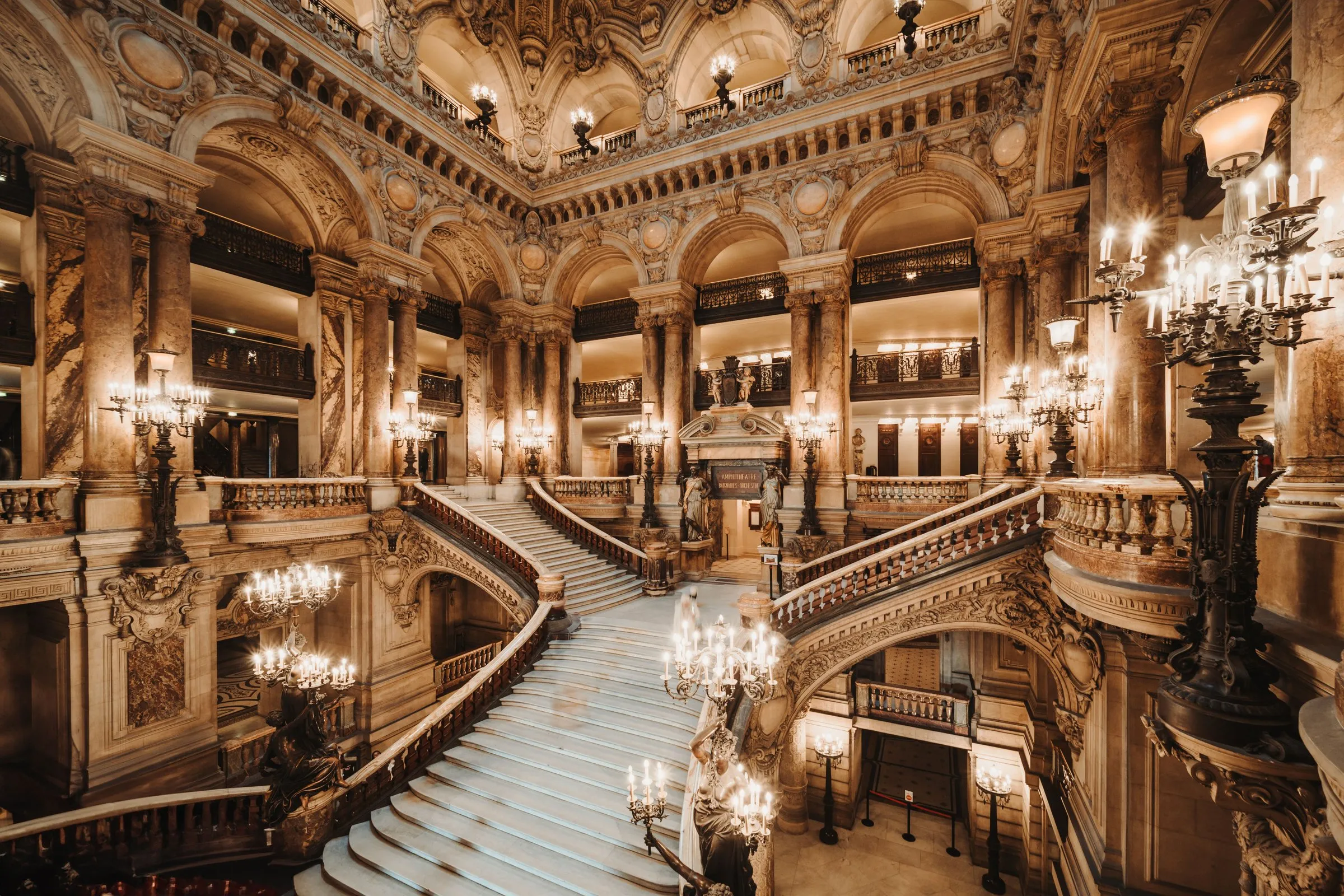
Why: Charles Garnier’s opera house of 1875, on this page’s cover, for the grand staircase and the foyers by day and the ballet by night: in the 2026/27 season the Palais Garnier is the house for ballet and recitals, the operas playing at the Bastille. What to know: on a daytime visit the auditorium and Chagall’s ceiling are often shut for rehearsals and no visit guarantees them, so if the auditorium is what you want, let us find you a seat for a performance instead. Pairs with: the Louvre and the Tuileries, a short walk south.
The Champ de Mars, 7th arrondissement
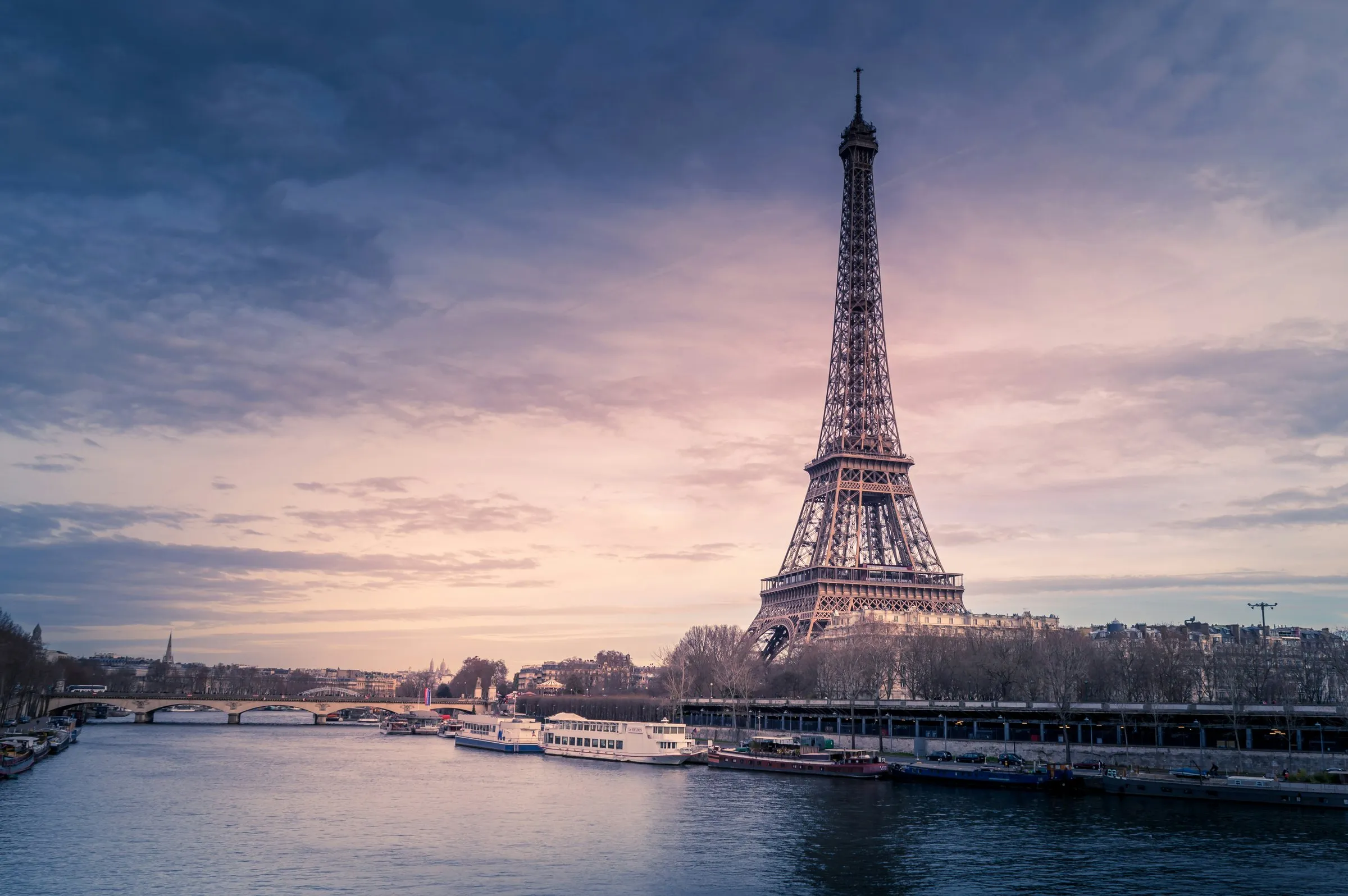
Why: the city from 330 metres, and then the tower itself lit and sparkling after dark. What to know: the ascent is what sells out and what the queues are for, so we reserve it; on a short stay the view of the tower from the Trocadéro at dusk is the better hour, and costs nothing in time. Pairs with: the Seine by boat, which leaves from its feet, or the Rodin in the afternoon before it.
The island in the Seine, 1st and 4th arrondissements
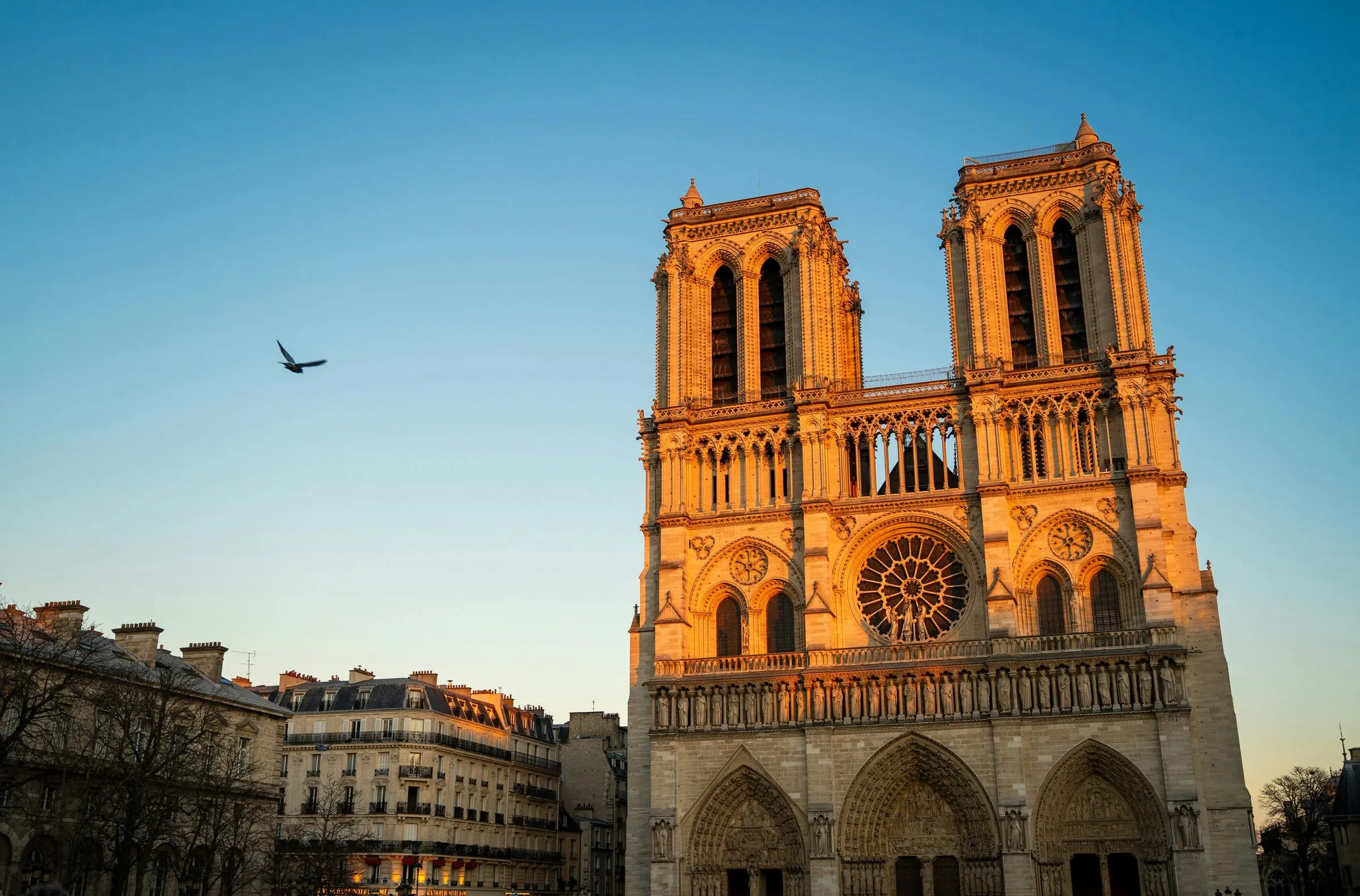
Why: the cathedral, reopened in December 2024 after its restoration, with its towers open again since 2025 on a route past the rebuilt spire; and, a few hundred metres away, the Sainte-Chapelle, Louis IX’s 13th-century chapel of fifteen bays of glass, two-thirds of it original, and the Conciergerie, the kings’ palace that became Marie-Antoinette’s prison. What to know: the cathedral’s and the chapel’s entry lines are the longest in the city by mid-morning, so this is the first hour of a day; we arrange the chapel’s and the towers’ timed visits. Pairs with: the Marais, reached by way of the quieter Île Saint-Louis and one more bridge.
The Right Bank, 3rd and 4th arrondissements
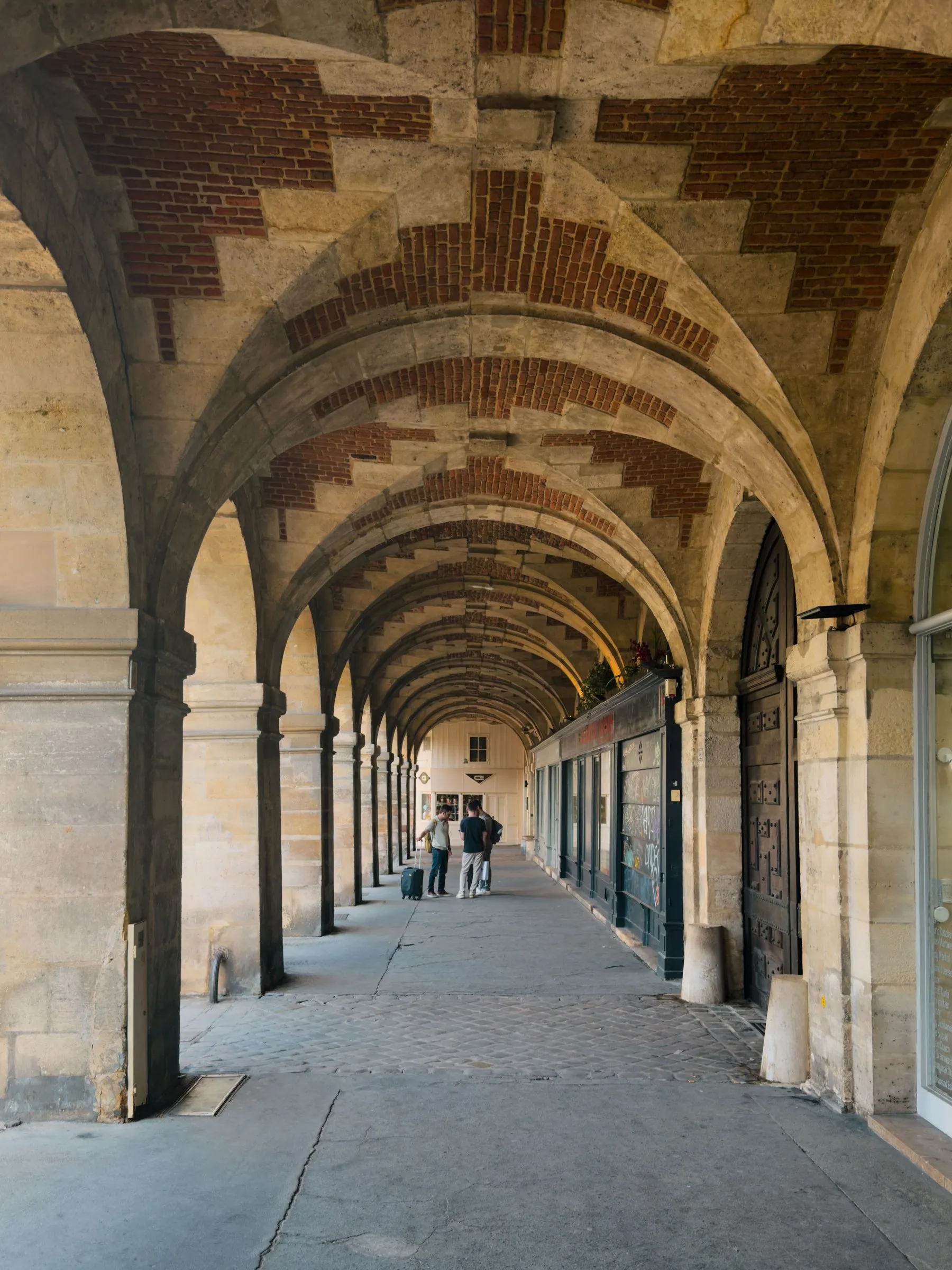
Why: the quarter to walk without a plan — the Place des Vosges, finished in 1612 and still ringed by its thirty-six brick pavilions, the mansions’ courtyards, and two small museums behind their doors, the Carnavalet for the history of Paris and the Picasso in the Hôtel Salé. What to know: neither museum needs a morning; a guide who knows which courtyard doors open is worth more here than a ticket. Pairs with: the Île de la Cité in the morning and dinner nearby — Bofinger and L’Ambroisie are both on its edge.
The Left Bank, 6th arrondissement
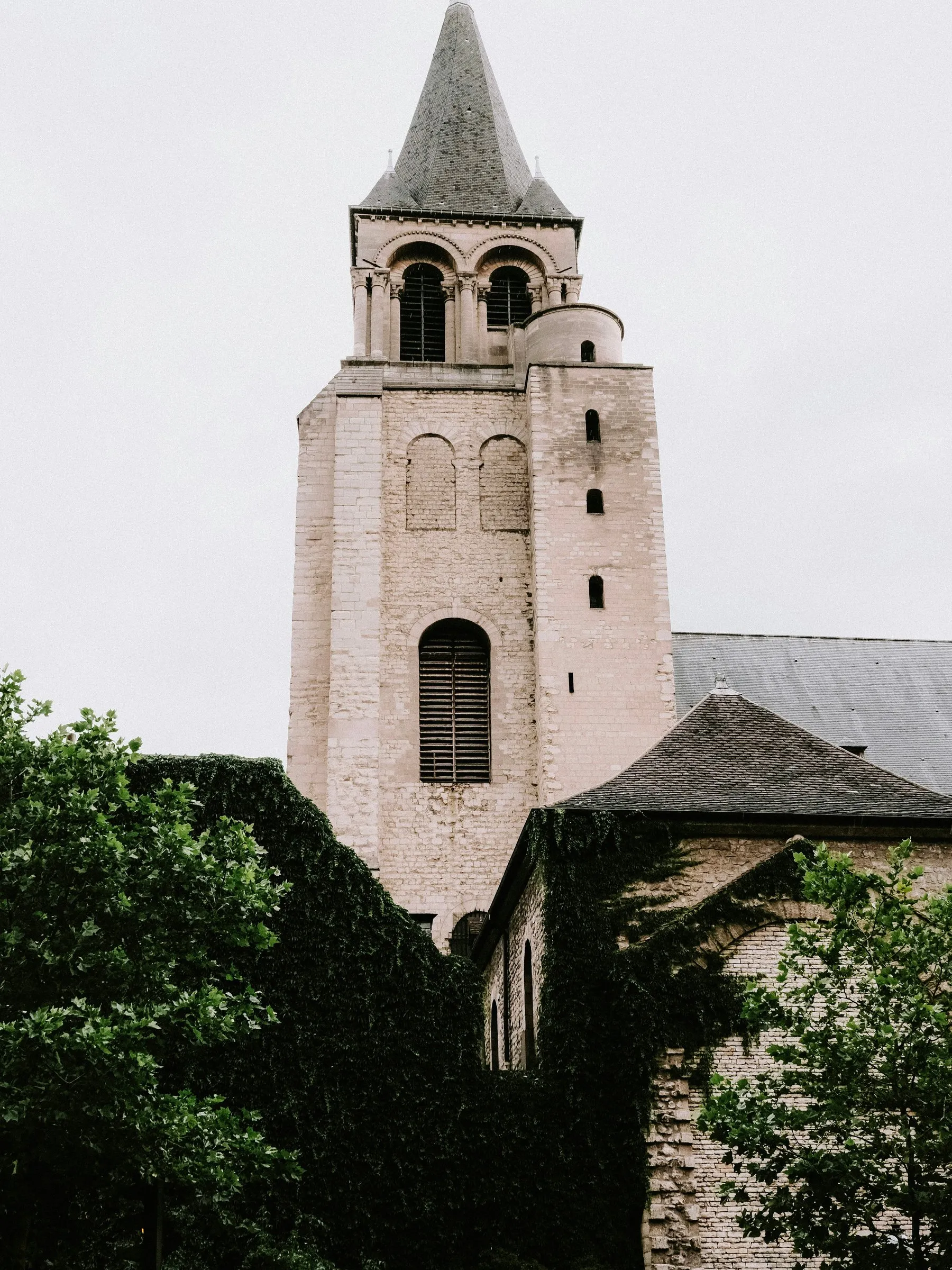
Why: the Left Bank at its most liveable — the abbey church with its Romanesque tower and newly restored painted choir, the cafés where the writers of the 1920s sat, and the Luxembourg, the Senate’s garden of twenty-one public hectares, a hundred statues and four and a half thousand chairs. What to know: nothing here needs a reservation except the table, which is why it is the quarter for the afternoon the plan leaves free. Pairs with: the Orsay and the Rodin, at its western edge; Allard and Poilâne are in its streets.
The hill, 18th arrondissement
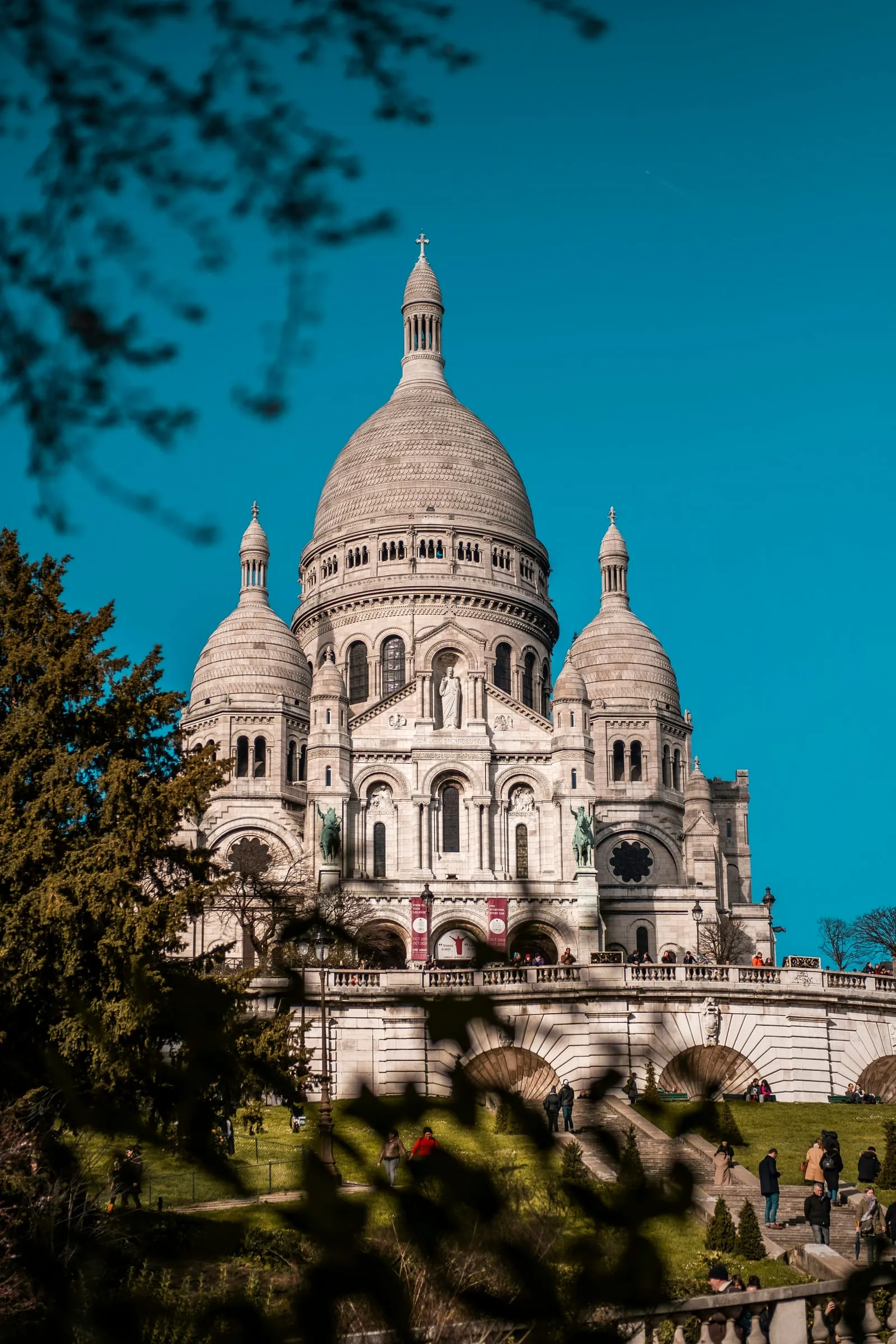
Why: the whole of Paris from the dome of the Sacré-Cœur, where prayer has not stopped day or night since 1885, and the village streets below it. What to know: it is the one quarter outside the centre and it fills by late morning, so go up early with a driver and walk down; the dome’s climb is on foot. Pairs with: nothing else that morning; be back on the river for lunch.
From the Pont de Sully to the Pont d'Iéna
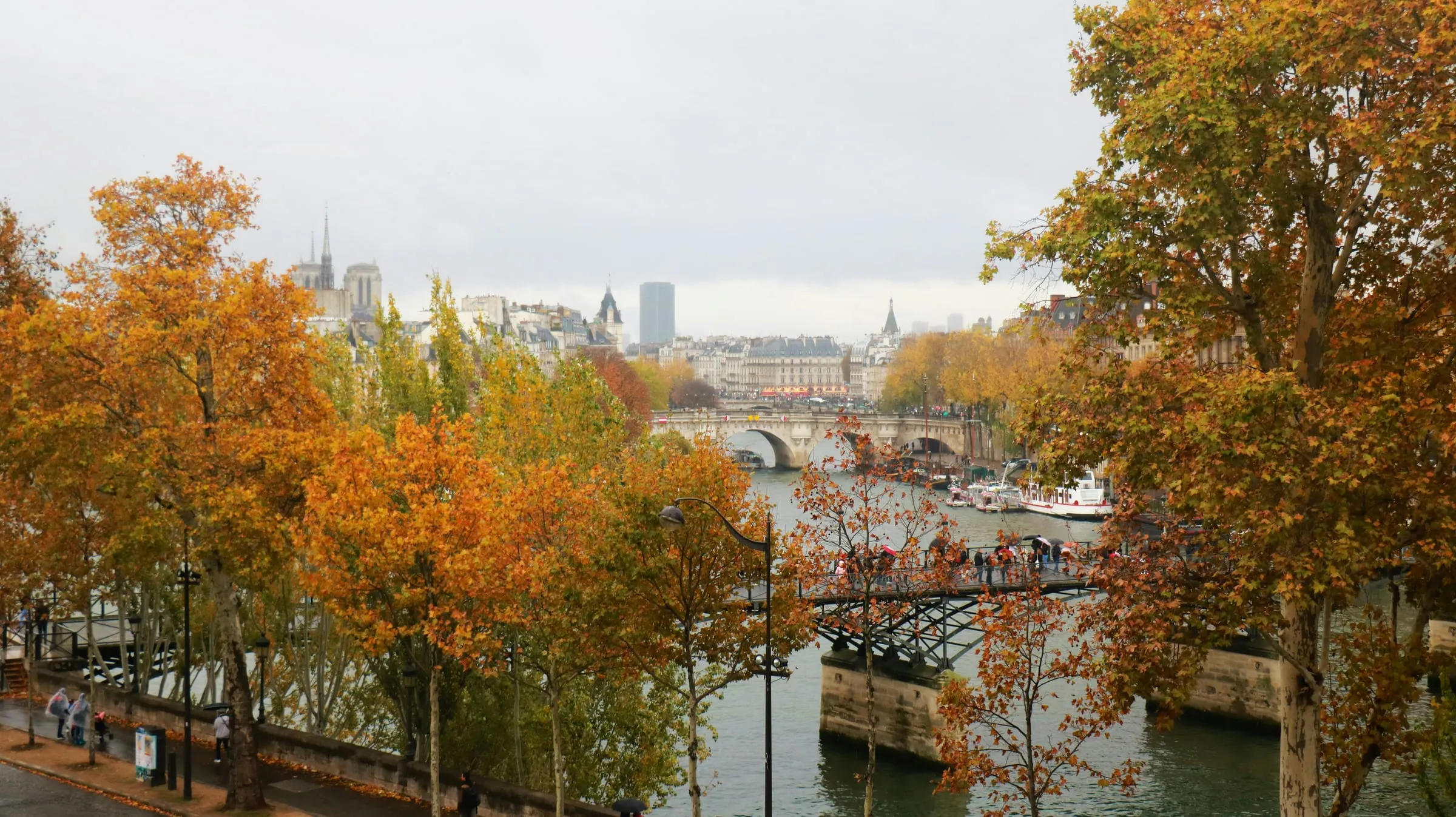
Why: the city’s monuments in one sweep, from the water, as the light goes: UNESCO listed the banks in 1991 from the Pont de Sully to the Pont d’Iéna, and Notre-Dame, the Louvre, the Concorde and the Eiffel Tower all stand along them. What to know: a boat of your own is among the experiences on our Paris page; the public boats run too, but at sunset they are full. Pairs with: the Eiffel Tower before it, or dinner after.
Three days out of Paris, each with a driver and each its own day: the palace, the painter’s garden and the Champagne houses.
20 km south-west of Paris, with a driver
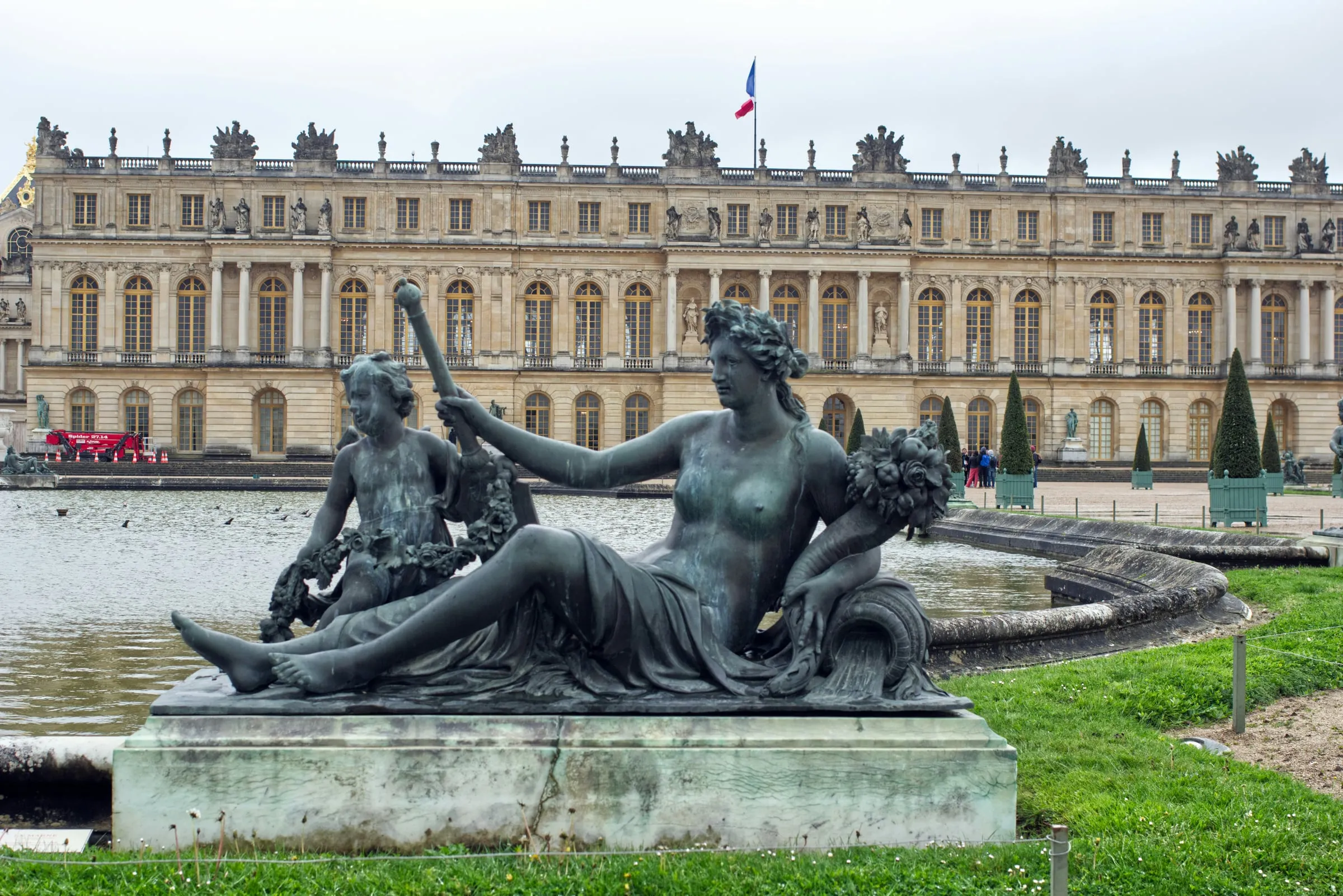
Why: the palace of the kings from Louis XIV to Louis XVI and Le Nôtre’s gardens, with the Hall of Mirrors — 73 metres and 357 mirrors, where the treaty that ended the First World War was signed in 1919 — as the room everyone comes for. What to know: the State Apartments are the crowded part; the Estate of Trianon, half an hour’s walk through the gardens, is where the afternoon is best spent, in the Petit Trianon Louis XVI gave Marie-Antoinette and the Hamlet she built. The palace’s own guides take you through both, and we arrange the day with a driver at either end. Pairs with: nothing; it is a whole day.
Normandy, a day from Paris with a driver
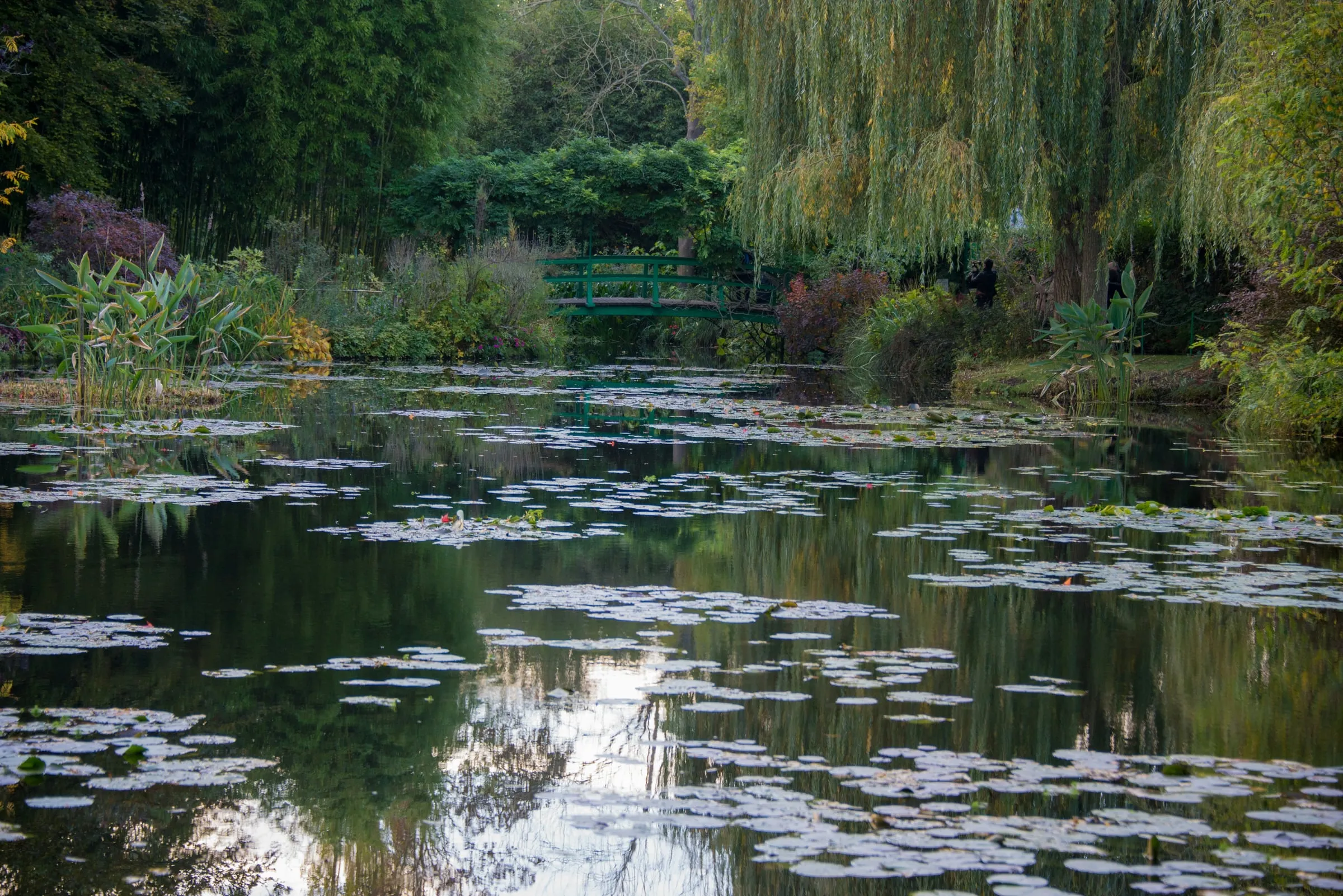
Why: Monet’s house and the two gardens he painted for forty years — the flower garden in front of the pink house and the water garden below it, with the Japanese bridge under its wisteria. What to know: the gardens close for the winter; in 2026 the season runs from 1 April to 1 November, and we confirm the dates for your year before we plan the day. The wisteria is out from April to June and the water lilies from June to September, so choose the month by what you want to see. Pairs with: the Orangerie in Paris, before or after; many people like to see the panels first, but it works either way.
Reims and Épernay, east of Paris
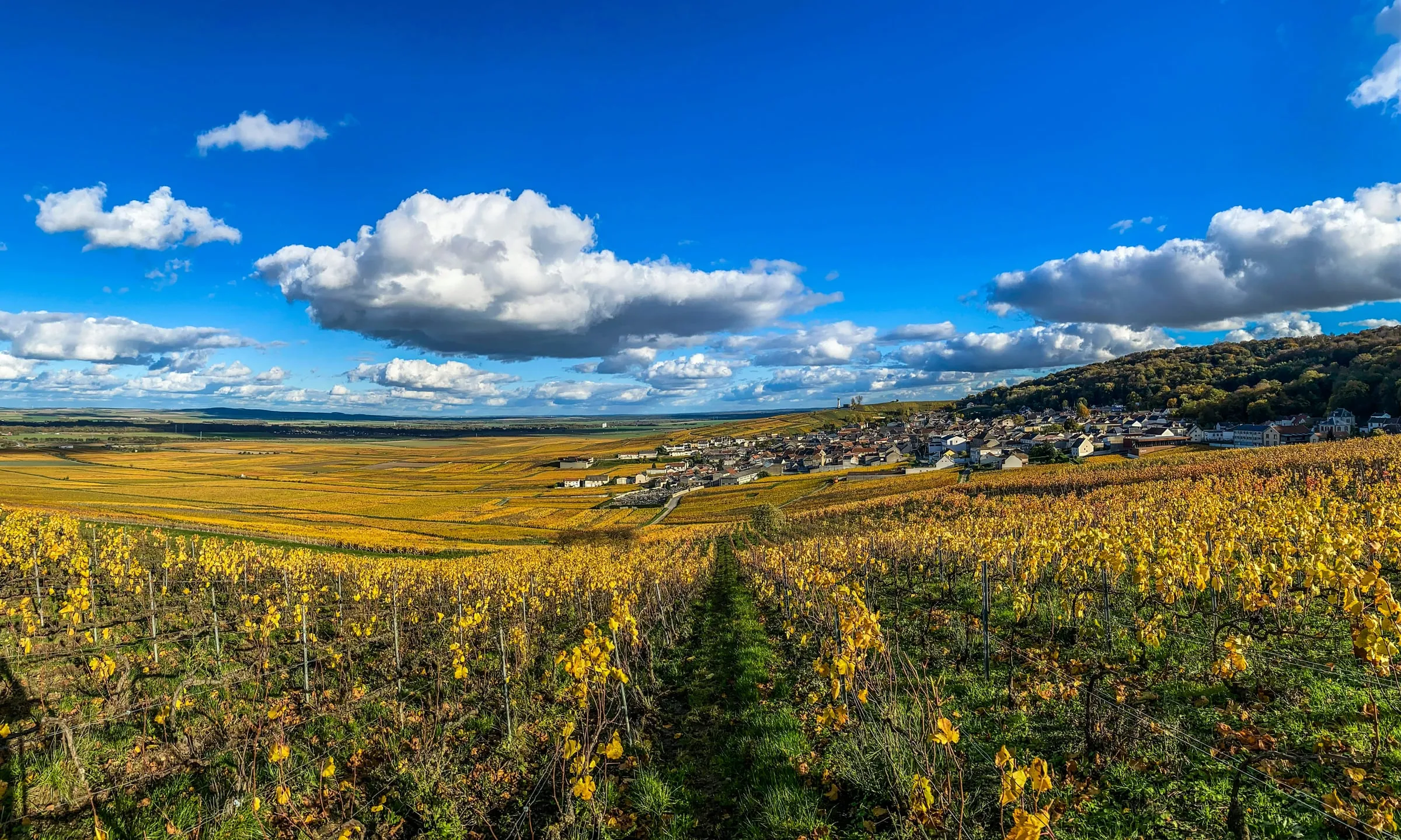
Why: the cellars of the great houses, on the World Heritage List since 2015, and in Reims the cathedral where nearly every French king after the 12th century was crowned. What to know: Reims and Épernay are different journeys. Reims is about 45 minutes from Paris by TGV; Épernay is a separate, slower train from the Gare de l’Est, about an hour and twenty minutes when we checked in October 2026, so for the Avenue de Champagne we usually drive, or take the TGV to Reims and go on by car. From either station the houses are a transfer, which we arrange with the visits; Moët & Chandon on the Avenue de Champagne receives private visitors. Pairs with: nothing; a long lunch is part of the day.
Which quarter for which kind of stay, when to go, where to stay and the table.
Tell us your dates and who is travelling. Everything else we can work out together.
Plan your Paris tripOur Paris page
Usually answered within one business day.