On Spain’s eastern Mediterranean coast: the Gothic Lonja de la Seda and the Cathedral of the
Holy Grail, the City of Arts and Sciences in the old bed of the Turia, and
paella in the Albufera, where it was born. Avelia plans private, tailor-made
time in Valencia, as a stay of its own or as part of a wider journey through
Spain.
Each of these is arranged privately for your dates, subject to availability.
The old city and the City of Arts and Sciences
The Lonja de la Seda and the Cathedral of the Holy Grail with a historian, the Water Tribunal on a Thursday at noon, and the City of Arts and Sciences in the old bed of the Turia.
More of the old city and the new
The Lonja de la Seda — the late-Gothic silk exchange built between 1482 and 1533, with its great trading hall, on the World Heritage List since 1996, on a walk with a local historian.
The Cathedral and the Holy Grail — the chalice venerated as the Holy Grail, kept in the Cathedral since 1437 and in its own chapel since 1916, then the 207 steps up the Miguelete for the view over the city.
The Water Tribunal — every Thursday at noon at the Cathedral’s Apostles’ Door, the irrigators’ court that dates back to al-Andalus settles disputes over the huerta’s water, aloud; on UNESCO’s intangible heritage list since 2009.
The silk route — the Colegio del Arte Mayor de la Seda, the silk guild’s 15th-century house in the Velluters quarter, now a museum, then a weaving workshop, on request.
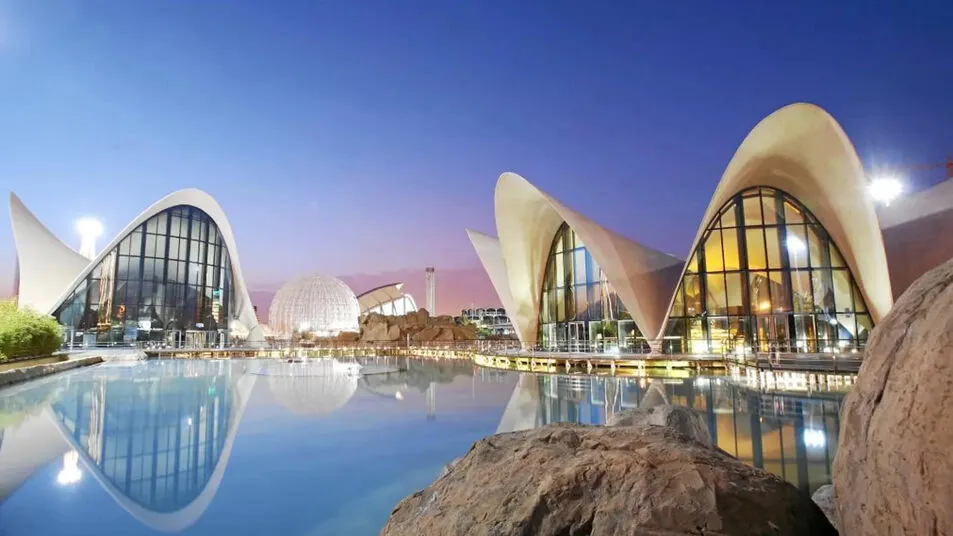
The City of Arts and Sciences — Santiago Calatrava and Félix Candela’s buildings along nearly two kilometres of the old Turia riverbed, from the Hemisfèric, opened in 1998, to the Palau de les Arts, opened in 2005, with an expert guide. See the City among our 12 treasures of Spain.
An evening at Les Arts — opera, zarzuela, dance or a symphony concert at the Palau de les Arts, with seats booked ahead.
Ceramics in Manises — a private workshop with a ceramicist in the town whose potters have worked from the 14th century to the present, on request.
Espadrilles — a class making your own pair with an artisan, on request.
Paella, the Albufera and the market
Paella cooked at a farmhouse near the Albufera, where it was born, a boat across the lagoon at sunset, the Central Market, tapas in El Carmen, and horchata at its source.
More of the table
A paella class — at a farmhouse near the Albufera, with a chef, over a wood fire: the Valencian recipe is chicken, rabbit, ferradura green beans, garrofó and tomato, with saffron and rosemary, on D.O. València round rice; wine on request.
The Albufera at sunset — the natural park 10 km south of the city, declared in 1986: a traditional albuferenc boat across the lagoon from El Palmar, a boat of your own on request, then all i pebre, the lagoon’s stew of eel, potato, garlic and paprika.
The Central Market with a chef — the morning’s produce in the modernist market hall opened in 1928, then lunch from what you chose, on request.
Tapas in El Carmen — an evening through the bars of the old quarter that grew between the Arab and the Christian walls, with natural wines and Valencian dishes, led by a food expert.
Michelin-starred tables — a tasting menu with wine pairings at one of the city’s starred restaurants, reserved ahead, at the chef’s table where a kitchen offers one.
Horchata at its source — a tiger-nut farm in L’Horta Nord, where the D.O. Chufa de València’s tiger nuts are grown in twenty-seven villages, then a tasting with fartons for dipping.
A day in Utiel-Requena — vineyards 70 km inland at an average of 720 m, most of them planted with the native Bobal grape, for a tasting at a wine estate and a lunch of local produce.
The sea, the Turia and the Oceanogràfic
A catamaran from the Marina, the city beaches from Cabanyal to Patacona, the old bed of the Turia by e-bike, and the Oceanogràfic, the aquarium of the City of Arts and Sciences.
More of the sea and the gardens
Out on the water — a private catamaran from the Marina de València for half a day or a whole one, with lunch on board and time in the water, or a sail at sunset with cava and tapas, on request, subject to availability.
The city beaches — Cabanyal, the Malvarrosa and Patacona, more than three kilometres of sand with a promenade behind.
The Turia Garden — the old bed of the Turia, turned into a park after the flood of 1957 sent the river south of the city, by e-bike with a guide and stops for coffee along the way.
The Oceanogràfic — Félix Candela’s aquarium, opened in 2002, with 42 million litres of water and a 70 m tunnel through it; tickets booked ahead.
Ruzafa — the district of galleries, terraces and its own market, for an afternoon’s shopping with a stylist, on request.
02Seasons
When to go
JanJ
FebF
MarM
AprA
MayM
JunJ
JulJ
AugA
SepS
OctO
NovN
DecD
Best months
The beach season
Quieter and milder
Spring March to May
Mild and bright: highs rise from about 19°C (66°F) in March to 23°C (73°F) in May, with rain on four or five days a month. Good weather for the old town on foot.
EventsThe Fallas, 15 to 19 March: giant monuments set up in the streets and burned on the last night, and a mascletà in the Plaza del Ayuntamiento at 2 pm from 1 March.
Summer June to August
The beach season, with little rain: highs of about 27°C (81°F) in June and 30°C (86°F) in July and August, and warm nights near 22°C (72°F).
EventsThe Gran Fira through July, ending with the Battle of the Flowers on the Paseo de la Alameda.
Autumn September to November
Highs ease from about 28°C (82°F) in September to 20°C (68°F) in November. September and October are the wettest months, though rain falls on only five days in each.
EventsThe 9 d'Octubre, when the city marks Jaume I's entry: a civic procession with the Reial Senyera to the Cathedral at noon, then a mascletà.
Winter December to February
Mild and often bright: highs of about 16–17°C (61–63°F), nights near 7–8°C (45–46°F), five to six hours of sun a day and rain on four or five days a month.
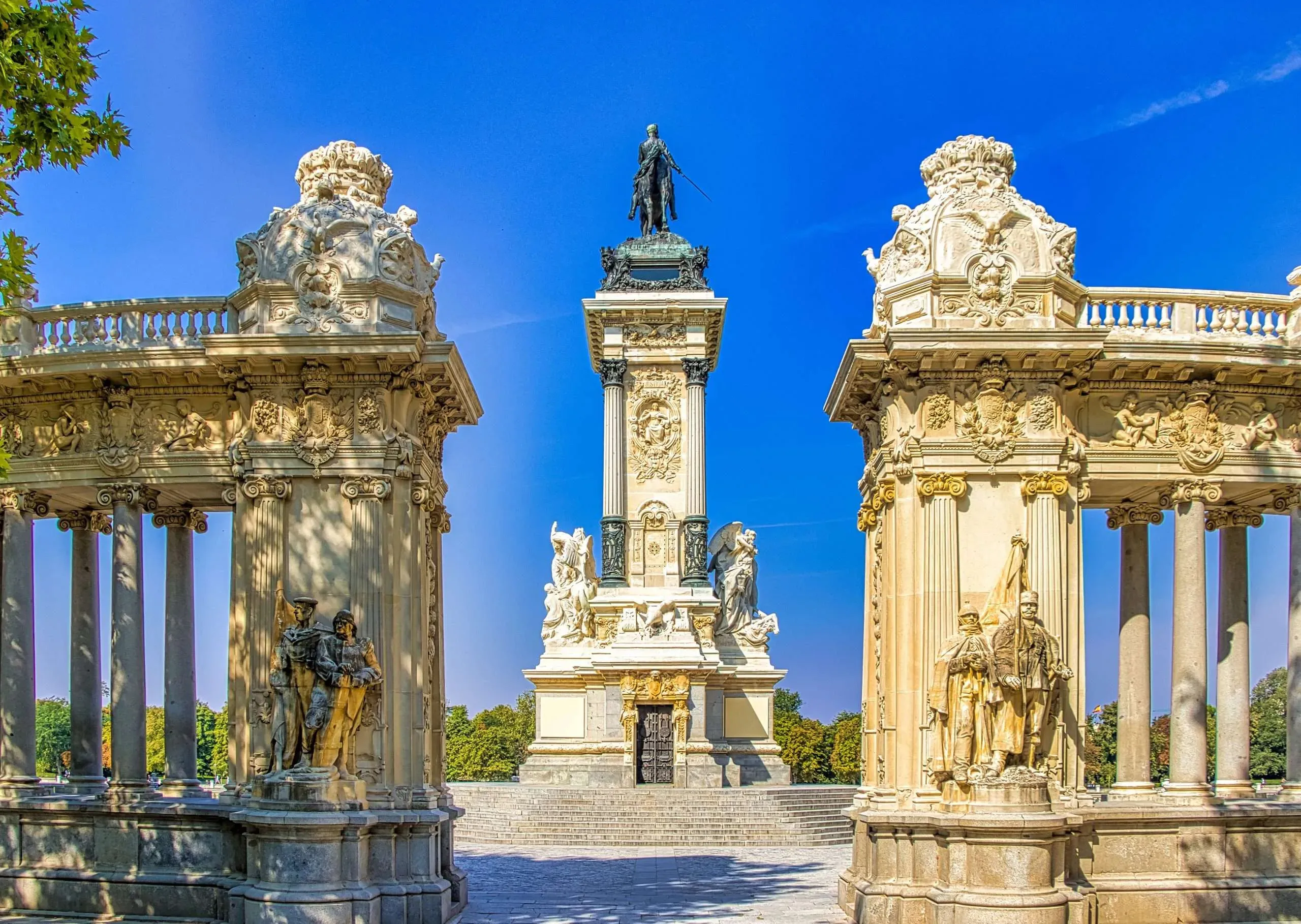
By AVE or Avlo high-speed train: the Prado, the Royal Palace and the Retiro, with the Paseo del Prado on the World Heritage List since 2021. Best for three or four nights at either end of a route.
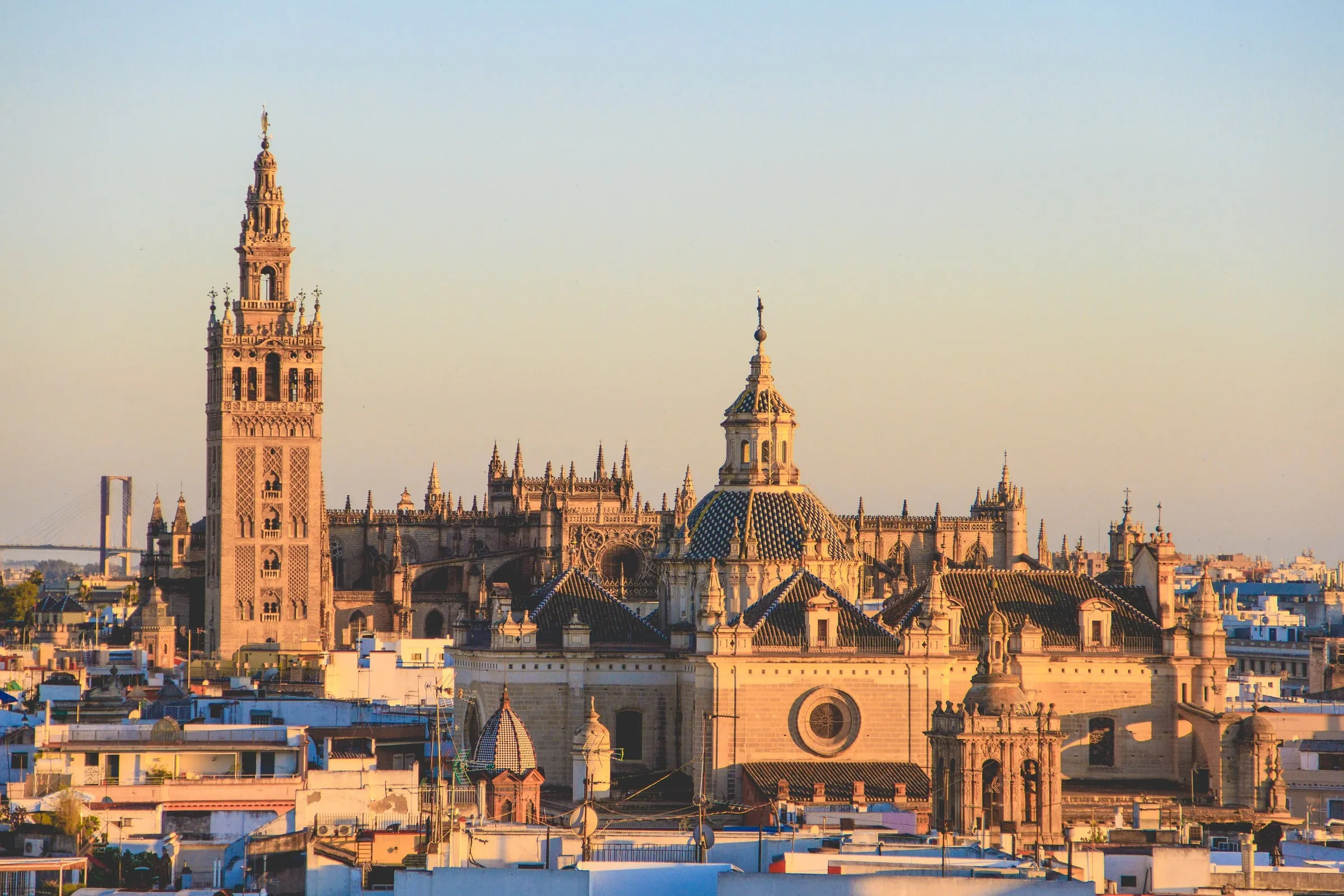
By AVE train or a flight: the Cathedral, the Giralda and the Real Alcázar, on the World Heritage List together since 1987, and flamenco in Triana. Best for three or four nights.
North-west on the Ebro: Spain's first Denominación de Origen Calificada, since 1991, with some 66,000 hectares of vines. Best for a few nights among the wine estates.
A flight from Valencia to Tenerife, Gran Canaria, Lanzarote or Fuerteventura: Teide, Spain's highest peak at 3,715 m, and Lanzarote's lava fields. Best from November to April.
04Planning with Avelia
How we plan your time in Valencia
We help you choose the right hotel, balance guided visits with time to explore, and fit Valencia into your wider journey — or shape a stay in the city itself.
1
Share your plans
Tell us your dates, who is travelling and the pace you like, and whether Valencia is a stay of its own or part of a route with Madrid, Barcelona or Seville.
2
Shape your trip with us
Before any payment, we send a written proposal with a quoted trip price and what it includes — such as a restored palace hotel, a guide for the Lonja and the Cathedral, and a paella class at a farmhouse — and refine it with you.
3
Travel with our support
Once you approve the proposal and complete the agreed booking requirements, we confirm your arrangements. We coordinate the details and support you while you travel.
Peace of mind
Financially protected. Your payments for a package trip are covered against our insolvency by a guarantee with AXA. Plan with peace of mind
What we can arrange
Your proposal sets out the arrangements included in your trip.
Hotels matched to you — a restored palace, a contemporary hotel close to the old town, or a hotel on the beach near the Malvarrosa; see our luxury hotels in Spain.
Private transport — chauffeur-driven premium cars for the airport, 8 km from the city, and the station, the Albufera and days out to Utiel-Requena, and the drive to your next stop in Spain; high-speed trains where they suit better.
Private guides — historians and specialist guides for the Lonja, the Cathedral and the City of Arts and Sciences.
Experiences — a paella class at a farmhouse, a boat on the Albufera at sunset, a horchata tasting, a sail along the coast.
Tables and tickets — reservations from Michelin-starred dining rooms to the rice restaurants of El Palmar, and tickets for the City of Arts and Sciences booked ahead.
Special occasions — honeymoons, anniversaries and family trips, planned around who is travelling.
Spain's great sites for art, architecture and history, with a private guide.
05Questions
Questions we are asked
What does it cost to have a tailor-made trip designed by Avelia Travel?
Every trip is priced individually. After discussing your plans, we prepare a tailored proposal with a quoted trip price and a clear outline of what is included.
How many nights should we spend in Valencia?
We recommend four days for the city itself, and a week if you would like time by the sea and a day in the Utiel-Requena vineyards.
When is the best time to visit Valencia?
March to May and September to November. Spring brings the Fallas, from 15 to 19 March; July and August are the beach season, with highs of about 30°C (86°F); September and October bring the year’s heaviest rain, though on only a few days; winter is mild, with highs of 16–17°C.
Can I include Valencia in a larger Spain itinerary?
Yes. High-speed trains run to Madrid, Seville and Córdoba, and the Euromed to Barcelona. Palma and Ibiza are among the airport’s busiest routes, so Mallorca and Ibiza are a flight away, as are the Canary Islands.
Do you only plan full itineraries, or can you help with just a hotel?
Both. We plan complete trips, and we also arrange a stay on its own: a hotel matched to you, with transfers, a guide or a few reservations added if you wish.
Is Avelia right for me?
Avelia suits travellers who want a private, well-paced trip planned around them: the right places in the right order, hotels chosen for them, guides who know the ground, tables and tickets taken care of, and one point of contact from the first conversation until they are home.
Start planning your time in Valencia
Four days in Valencia, or a week with time by the sea and in the vineyards: tell us your dates and who is travelling.