The Charm of Andalusia
from $9,800 per person
Seville guide
Simple, seasonal cooking, eaten at the bar as often as at the table, and the wines of the south to go with it.
By Ramin Jafari · Facts checked
Seville eats salmorejo, fried fish, spinach with chickpeas and jamón ibérico, much of it as tapas, standing at a bar, with a glass of sherry from the bodegas to the south. Its cooking is rooted in its countryside and its coast. This guide covers the dishes and the wines, the tables we would point you to, and the market and producers worth a morning, with what we can arrange around each of them.
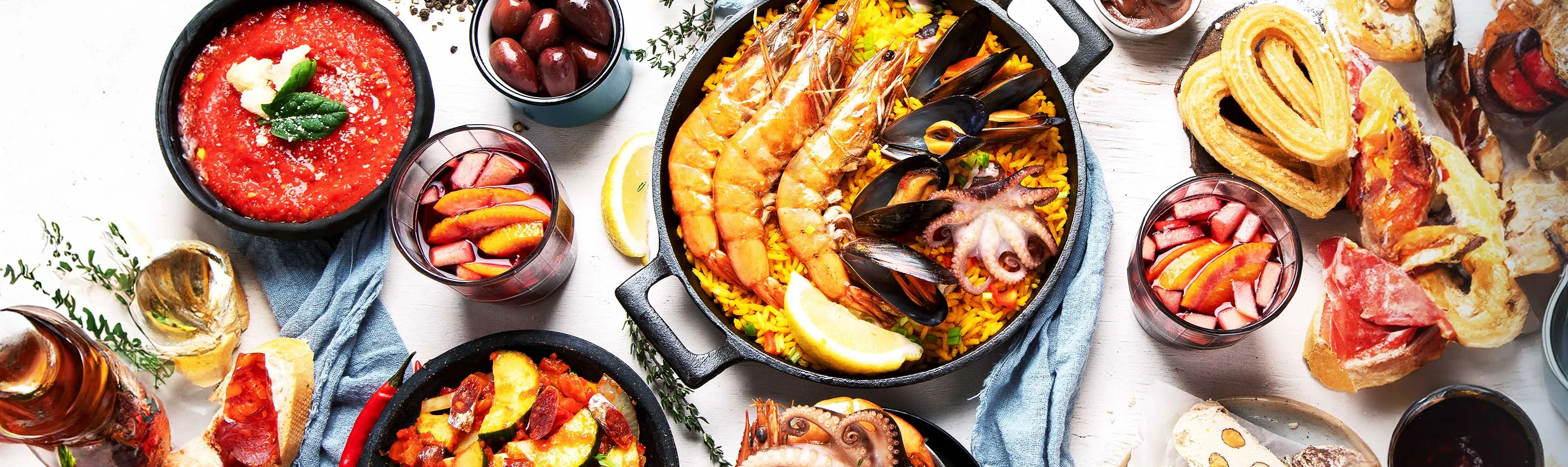
Simple, seasonal cooking built on what the countryside and the coast supply.
Seville eats out. The city’s tourism office counts more than 3,000 bars and restaurants, one for every 230 residents, and calls Seville the cradle of tapas: one of the legends of the tapa’s origin places it in the city’s private clubs, whose members had their drinks brought in from outside covered with cold cuts against the dust. Here tapas are an everyday ritual rather than a show, and the same cooking runs from the bars to the city’s Michelin-starred dining rooms, grounded at one end and refined at the other.
Olive oil is a main ingredient, with ham from the sierra and shellfish from the coasts of Cádiz and Huelva. The Junta de Andalucía’s list of Seville’s dishes runs from gazpacho and spinach with chickpeas to oxtail and pringá, the beef, chorizo, black pudding and ham of the stew, which the bars serve in a montadito that began as a way to use the leftovers. In summer the cold tapas come into their own, salmorejo among them: Córdoba’s cream of tomato, bread, olive oil and garlic. And the bitter oranges of the city’s 40,000 and more orange trees go into liqueurs, creams, cakes and chocolates.
The wines are the south’s own, sherry from the Jerez-Xérès-Sherry region, Montilla-Moriles and the orange wine, and how to taste them is below, with the market and the ham.
A selection, from a starred tasting menu to tables for tapas. We can reserve these, and others, around your plans.
Nervión
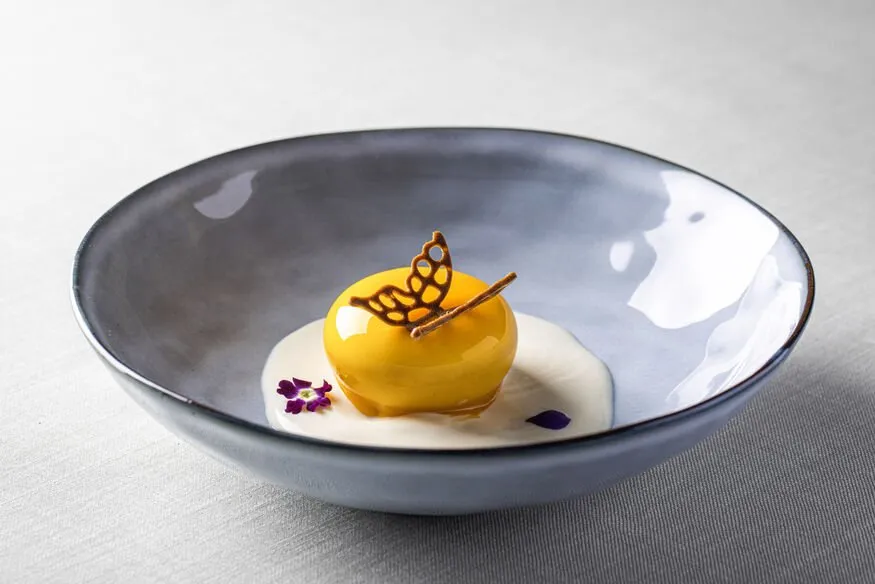
Contemporary Andalusian cooking, in the restaurant’s own words, which chef Julio Fernández Quintero takes from the region’s traditional flavours to something more cutting-edge, on local produce in its season. Each menu has a wine pairing; the dining room was renovated in what the Guide calls a museum-like style, and a chef’s table in the kitchen seats up to ten.
Santa Cruz
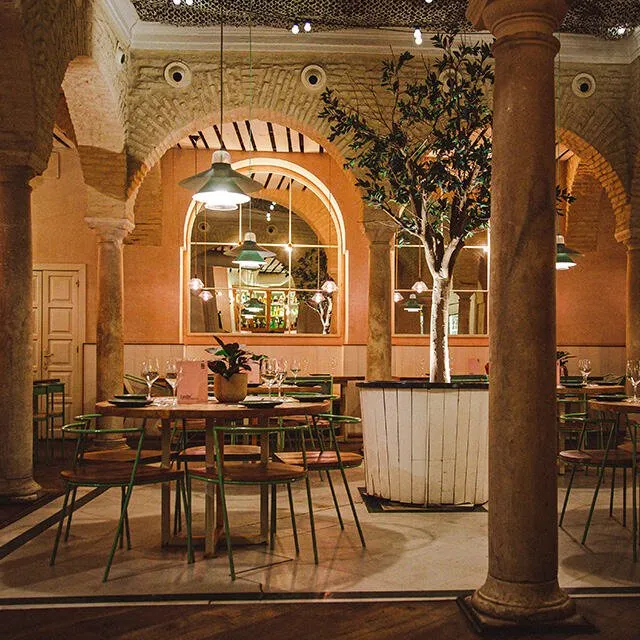
In a historic building a few minutes’ walk north of the Cathedral, in the shadow of the Giralda. The kitchen calls its cooking Mediterranean, tradition meeting the avant-garde: fresh local produce and new techniques, as creative tapas or as main dishes, which makes it an easy late lunch between the monuments.
Santa Cruz
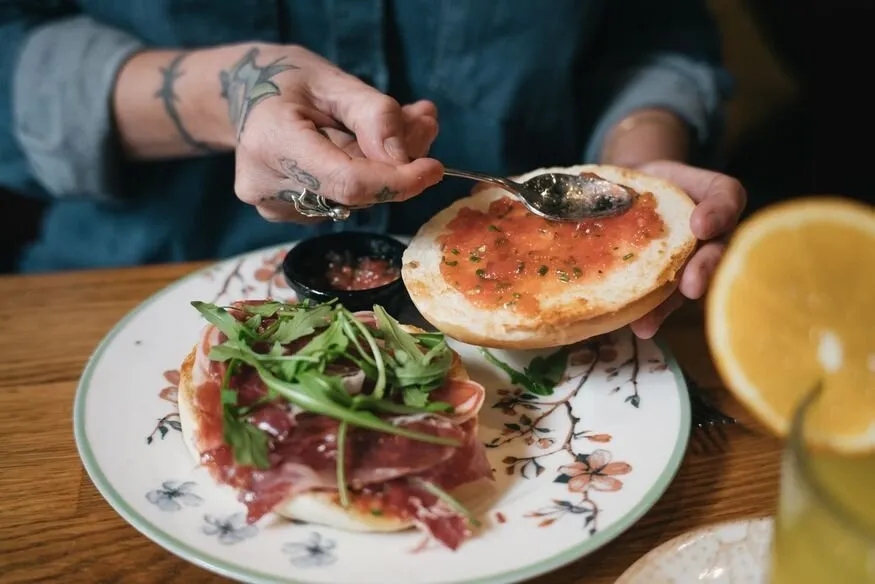
On Calle Mateos Gago in the old Jewish quarter, a few minutes’ walk from the Cathedral and the Royal Alcázar. Its kitchen is Andalusian at base, with fresh ideas, and the tables sit in the shade of the orange trees, with the Giralda showing between them.
El Porvenir
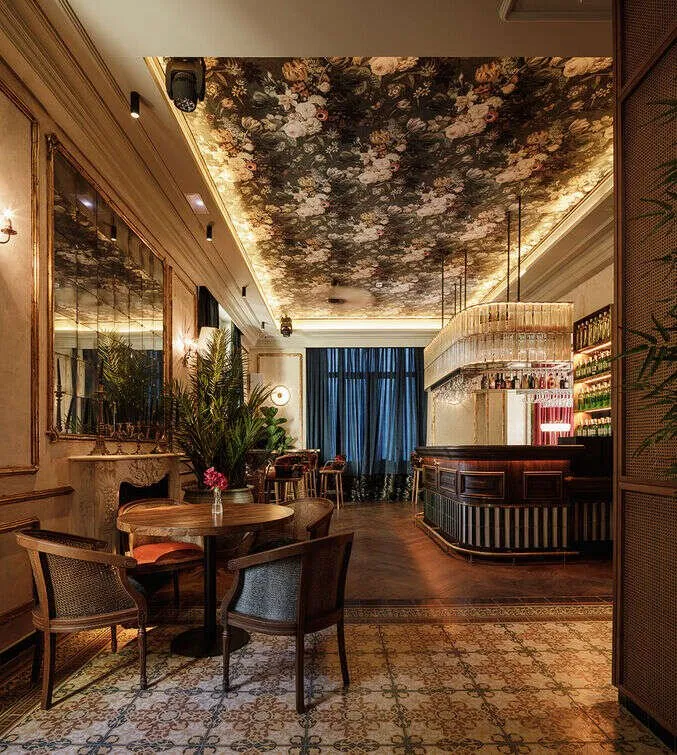
A modernist villa of 1912 across the avenue from the Parque de María Luisa, with more than one bar for the house’s own cocktails. It stays open late, for a long dinner or a drink after one.
San Lorenzo
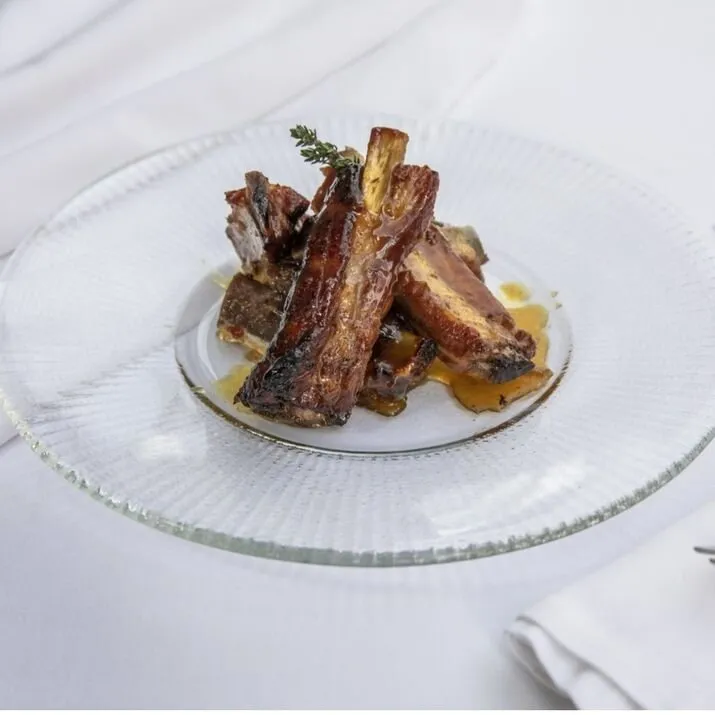
Founded by a husband and wife in San Lorenzo, in the north of the old town, and more than thirty years on still combining, in its own words, tradition and innovation, always on the quality of the produce, with a cooking that keeps evolving. A neighbourhood address for a more relaxed dinner.
Triana
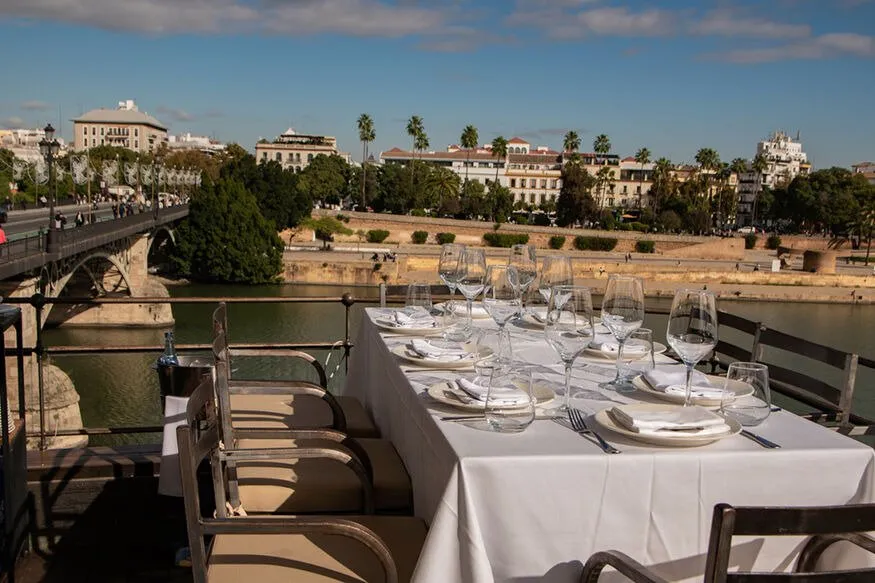
At the Triana end of the Triana bridge, named after the river beach Seville had in the middle of the 20th century. Two terraces on different levels look over the Guadalquivir to the Giralda and the bridge, for a sunset dinner or a celebration, and the bar downstairs has a menu of its own tapas.
Markets
The market, the ham and the wines: each can be the centre of a morning, or of a day out of the city.
Triana
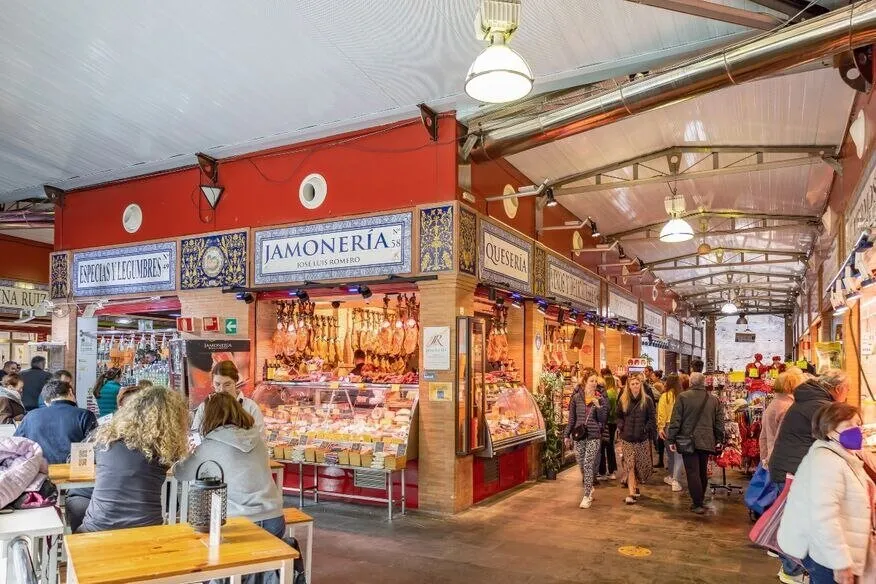
Triana has long been home to potters and flamenco artists, and its market stands on the remains of the Castillo de San Jorge, an Almohad fortress that became the headquarters of the Inquisition; an interpretation centre on the ground floor shows what is left of it. The stalls sell fruit, vegetables, fish, meat and bread, with a herbalist and a florist among them. Go on a weekday morning, when it is at its busiest. We can arrange a visit with a private guide, or a tasting with a chef and wines to match, subject to availability.
Sierra de Huelva
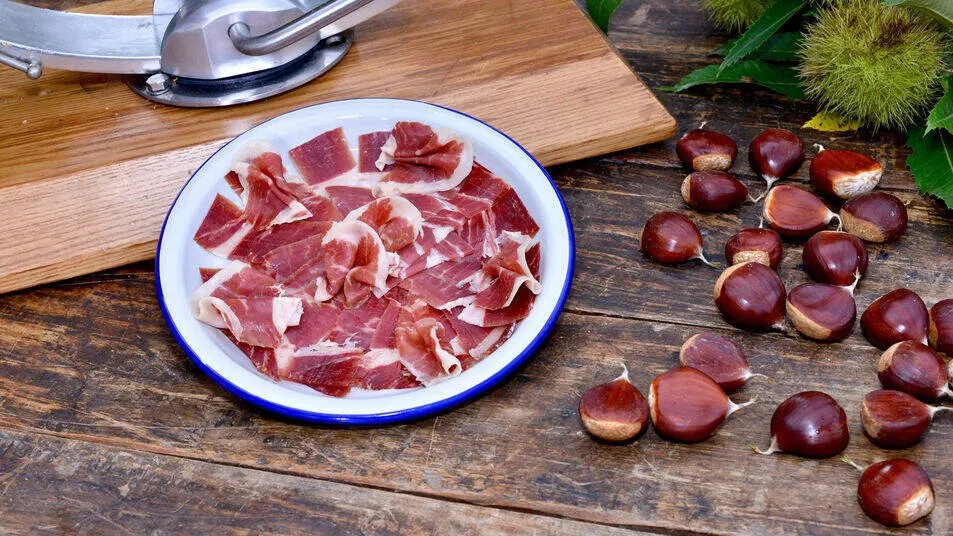
Jamón ibérico is sold all over Spain; the Protected Designation of Origin Jabugo belongs to the sierra around Aracena and Jabugo, north-west of Seville. Its pigs are raised on the oak dehesas of Andalusia, Seville’s own Sierra Norte among them, and of Extremadura, and the bellota grade comes from those finished on acorns and pasture in the montanera. A tasting in Seville, or a day in the sierra visiting a producer, on request.
Jerez and the Condado de Huelva
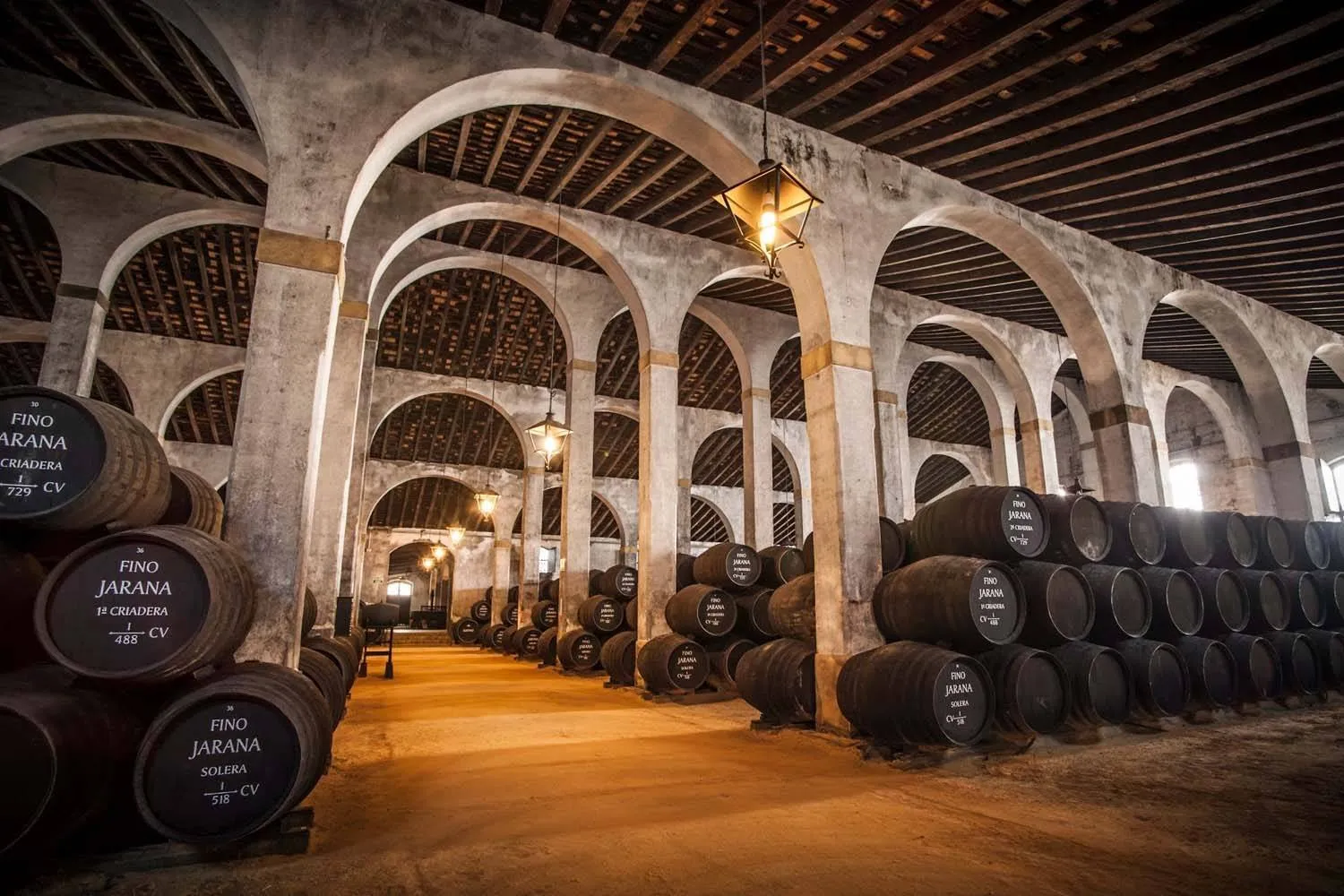
Sherry comes from the triangle of Jerez de la Frontera, El Puerto de Santa María and Sanlúcar de Barrameda, the heart of the D.O. Jerez-Xérès-Sherry; since 2022 it may be aged in all ten of the zone’s municipalities, and its vineyards reach into Seville’s own province at Lebrija. Montilla-Moriles, in the province of Córdoba to the east, makes fino, amontillado, oloroso and the sweet Pedro Ximénez. Vino de naranja is wine scented with orange peel and aged at least two years in oak; the protected one is made in ten municipalities of the Condado de Huelva, west of the city.
A tasting of all three with a sommelier, in a bodega or on a terrace in Seville, or a day among the bodegas of Jerez, can be arranged, subject to availability. For a longer journey through Spain’s food and wine, see our itinerary Spain’s culinary heritage.
More of what we arrange in Seville, from flamenco to the river at sunset, is on our Seville page, and where to stay in Seville sets out our hotels by neighbourhood.
from $9,800 per person
from $27,200 per person
from $16,800 per person
from $9,400 per person
When to go, where to stay, the food, the great sights and three days in the city.
The Alcázar, the Cathedral, tapas, flamenco, the river, and the horses of Jerez.
Four days, day by day, where to stay, and how to extend the trip.
Season by season and month by month, with the festivals and the heat to plan around.
Beyond Seville: our culinary and wine tours across Spain, the best wine regions of Spain, and luxury hotels in Spain.
Tell us your dates and who is travelling. Everything else we can work out together.
Plan your Seville trip Our Seville page
Usually answered within one business day.