Santa Cruz
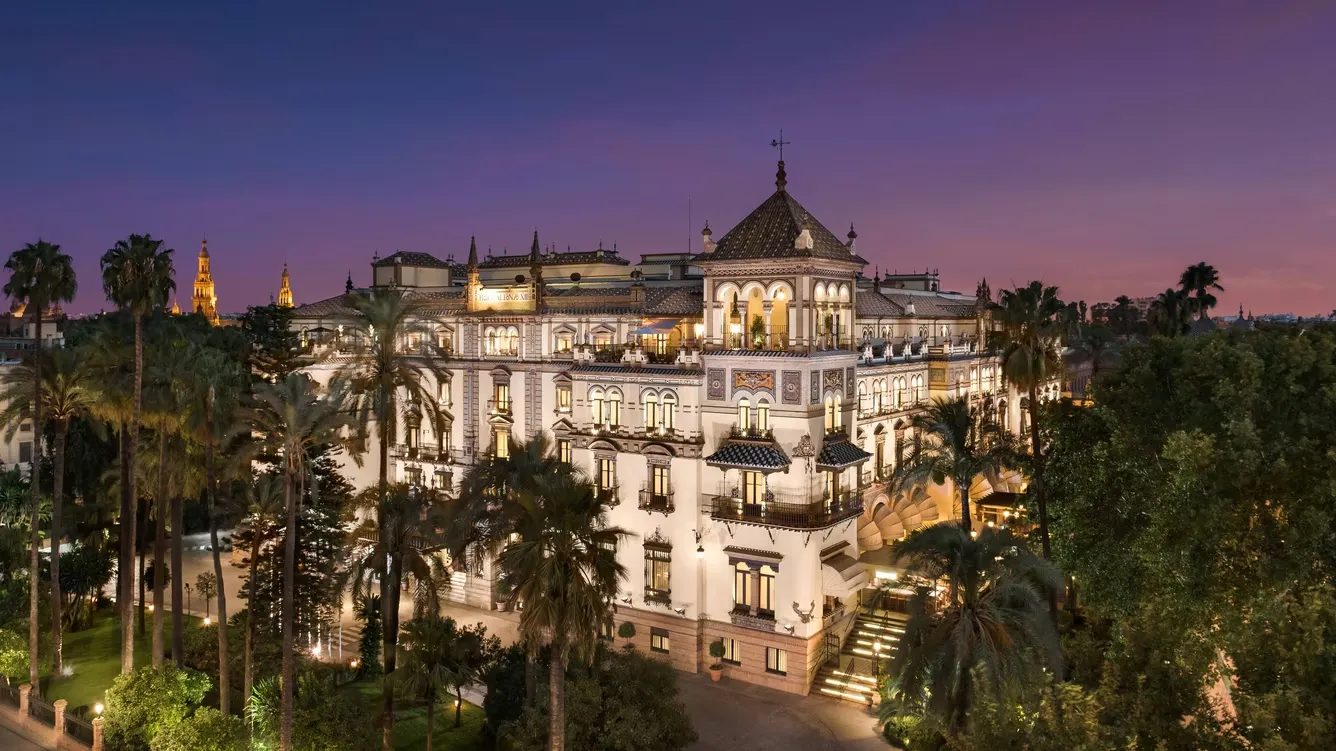
Hotel Alfonso XIII
Landmark grandeur: Seville's famous 1929 grand hotel, with a colonnaded courtyard restaurant and an outdoor pool.
The Explorer
Six places we would put first, what to see in each, and when to go.
By Ramin Jafari · Published · Updated
Our best places to visit in Spain in 2026 and 2027 are Barcelona, Marbella, Madrid, Seville, San Sebastián and the Rioja wine country: two great cities, Andalusia’s capital and its coast, and the north’s food and wine. For each, here is what to see, when to go, and what we would arrange.
Six places
Catalonia
Gaudí’s city on the sea, and 2026 is a hundred years since his death, under a tram, in June 1926. The Sagrada Família he gave his last years to is still being built: in February 2026 its tower of Jesus Christ was crowned with the upper arm of its cross. Park Güell, Casa Batlló and La Pedrera are among seven of his works on the World Heritage List, and the Gothic Quarter, the old city around the Cathedral, has El Born beside it.
The Sagrada Família books up weeks ahead, so we reserve it as soon as your dates are fixed, with an architectural historian. For the sea beyond the city, the coves of the Costa Brava are up the coast.
The Costa del Sol
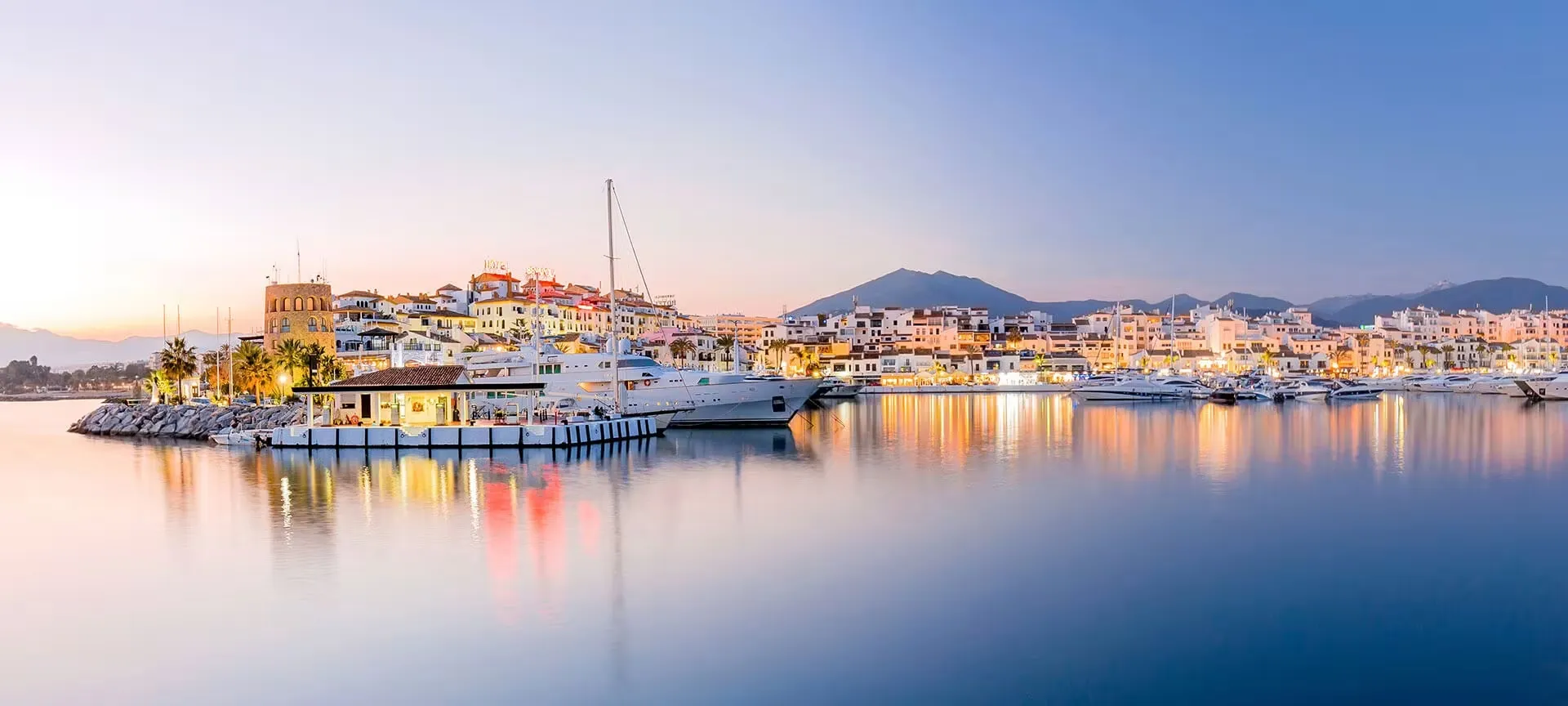
The Costa del Sol at its most polished. Below Sierra Blanca lie the beaches, the old town around the Plaza de los Naranjos, laid out after the town surrendered to Ferdinand the Catholic in 1485, and Puerto Banús, the marina of 1970, with its yachts and more than a hundred boutiques. The Avenida del Mar runs from the old town to the sea past bronze sculptures by Salvador Dalí.
We arrange a private yacht along the coast, a day bed at a beach club or a morning’s golf, on request, subject to availability.
Spain's capital
The Prado, the Thyssen-Bornemisza and the Reina Sofía stand along the Paseo del Prado, a boulevard and park on the World Heritage List since 2021: Velázquez’s Las Meninas, Goya’s Black Paintings and Picasso’s Guernica. Then the Royal Palace and its more than 3,000 rooms, the Plaza Mayor and the oldest streets of the city, the Retiro, and tapas through La Latina.
We arrange a private guide at the Prado, which also takes private visits before it opens and after it closes, on request and subject to its conditions; the shops of the Salamanca district; and a drink at sunset above the Gran Vía.
Andalusia's capital
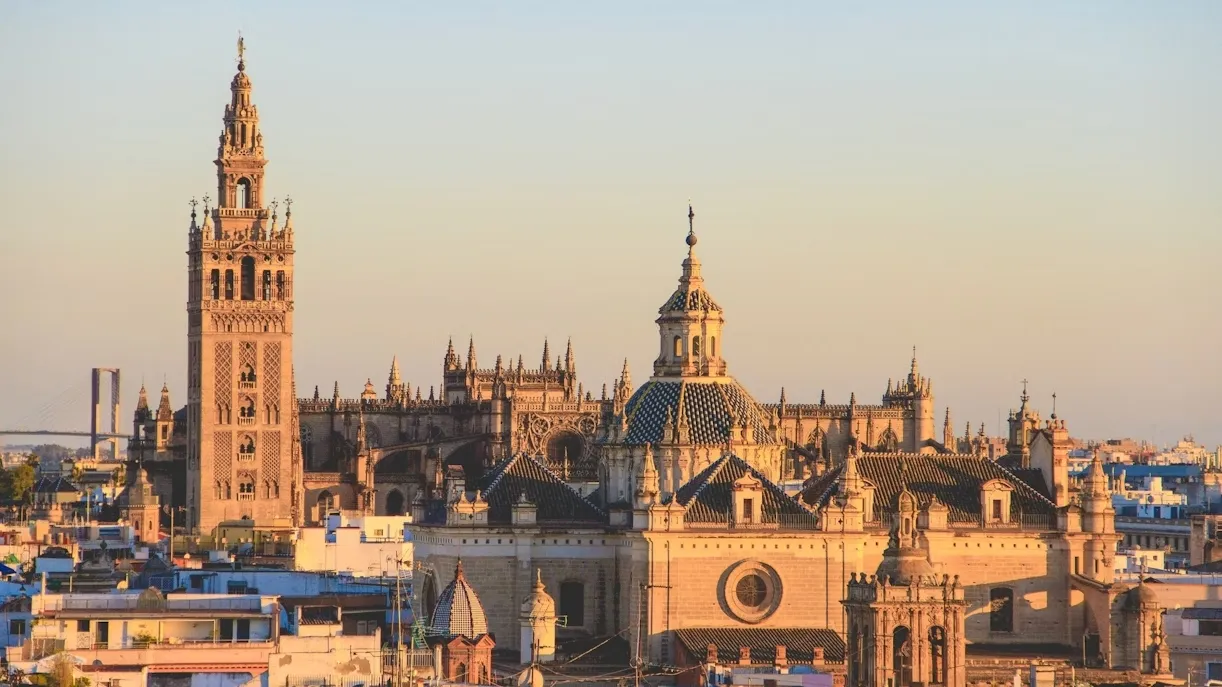
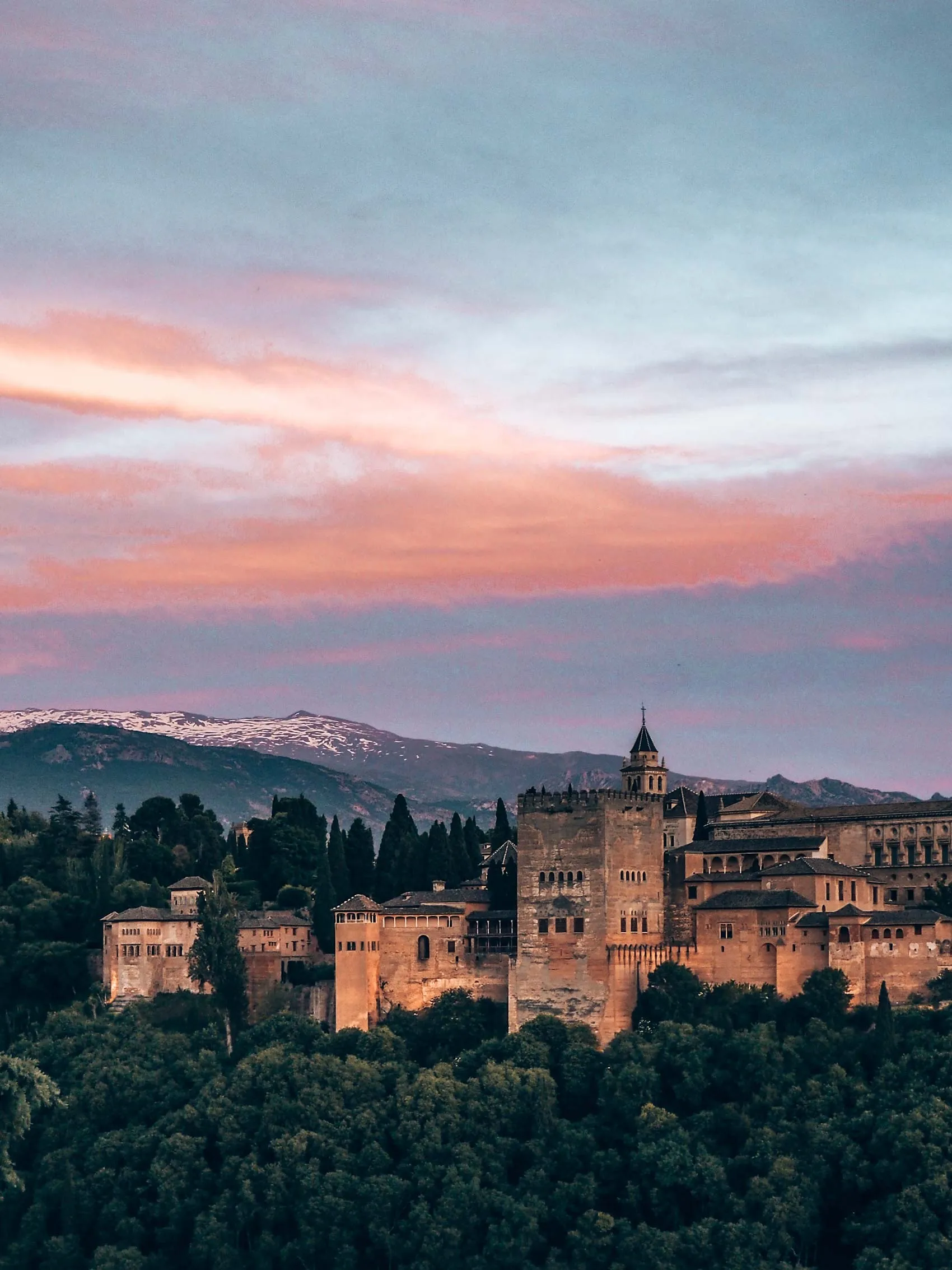
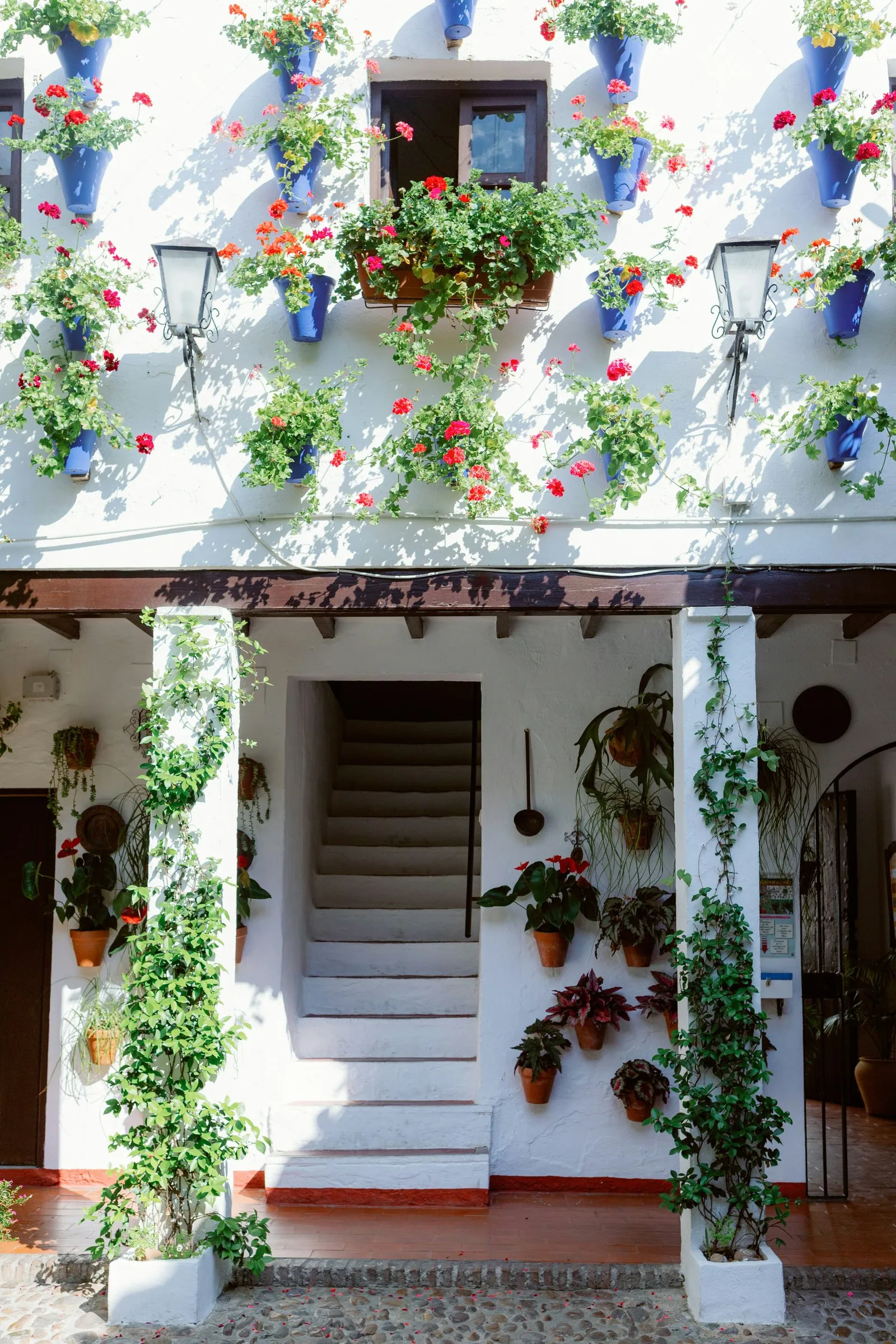
The capital of Andalusia. Its Cathedral is the largest Gothic building in Europe, and the Giralda beside it was once a minaret; with the Real Alcázar they have been on the World Heritage List together since 1987. Around them lie the lanes of Santa Cruz; beyond, the Plaza de España, built for the Exposition of 1929; across the river, Triana, long home to potters and flamenco.
We arrange a private guide for the Alcázar and the Cathedral, a carriage through the old town at dusk, the river by private boat at sunset, and flamenco in a historic palace.
The Basque coast
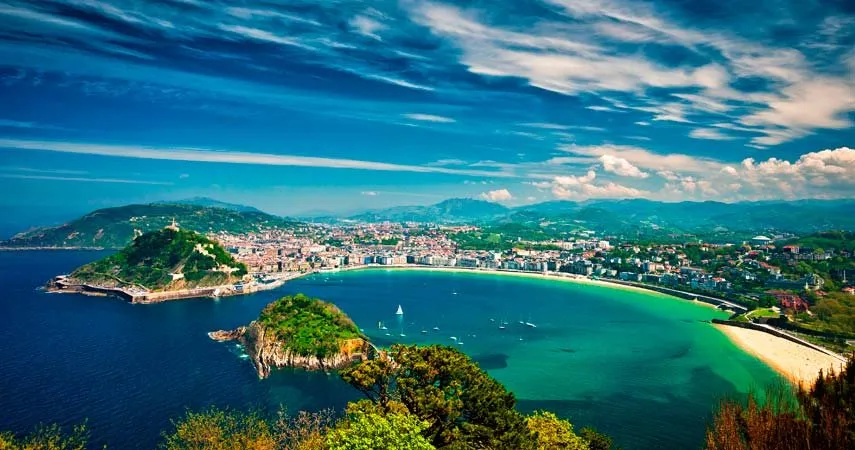
La Concha, more than 1,300 metres of sand in a bay shaped like a shell, was made fashionable by Queen Isabel II in 1845; the funicular of 1912 climbs Monte Igeldo for the view over it. In the Parte Vieja the bars set out their pintxos, with txakoli from the vineyards of Getaria.
We arrange a pintxo route with a local food guide, a tasting menu at one of the Michelin-starred tables in and around the city, reserved well ahead, and the bay under sail at sunset if the weather allows.
La Rioja and Álava, along the Ebro
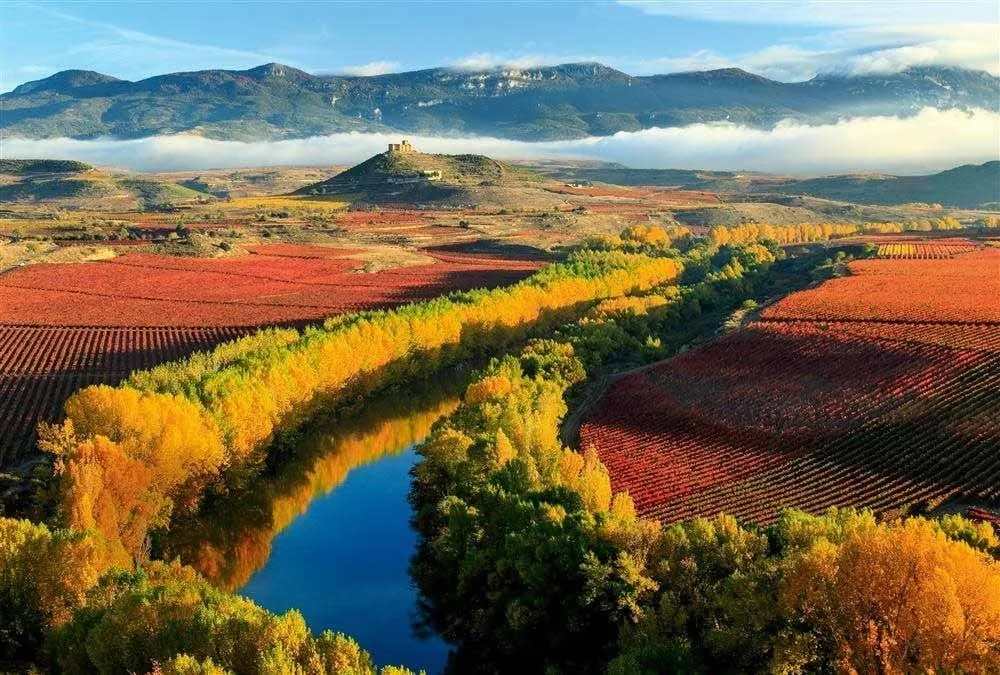
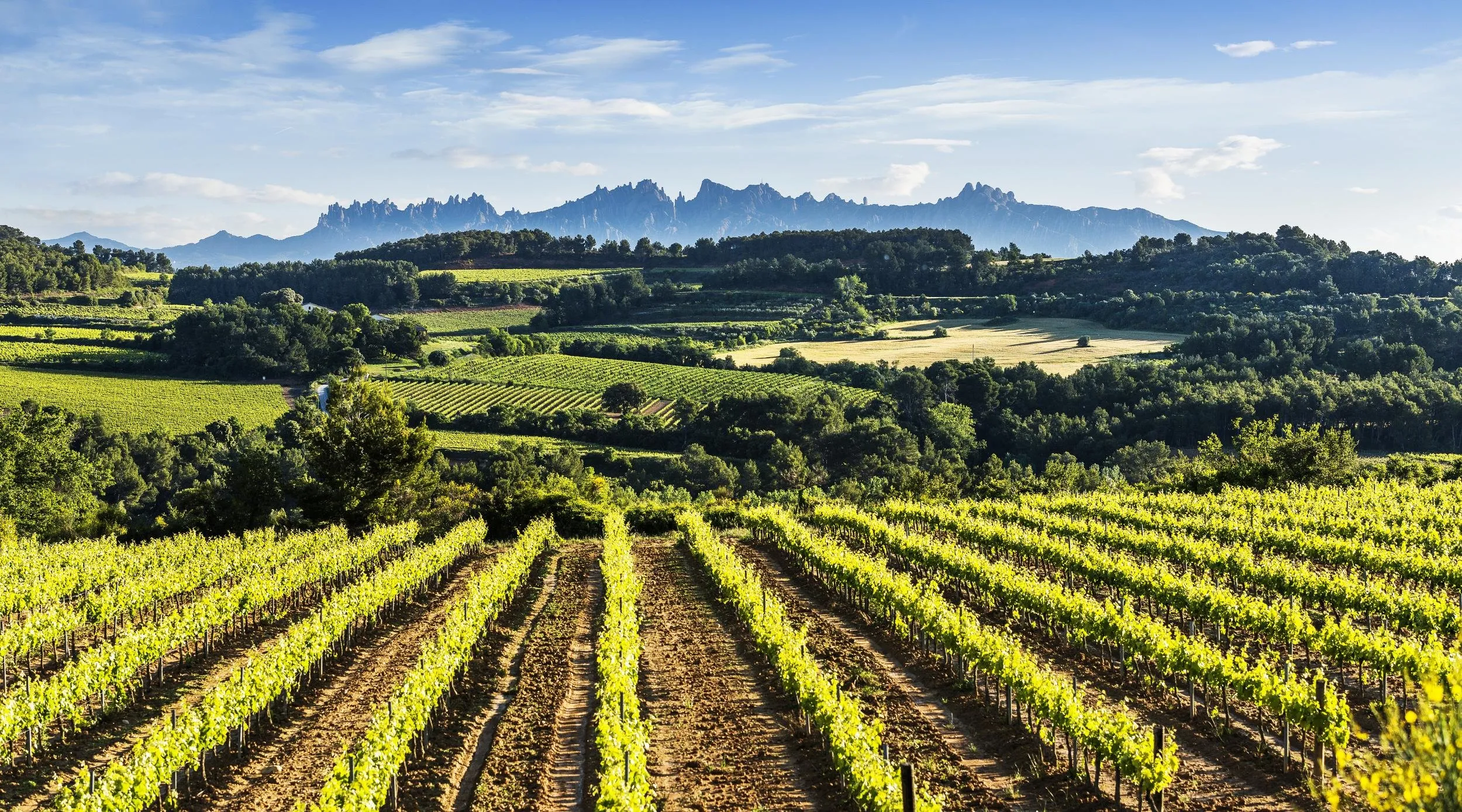
Haro’s station quarter holds the greatest concentration of century-old bodegas in the world; at Briones, the Vivanco Museum of Wine Culture tells the history of wine; at San Millán de la Cogolla, the monasteries of Suso and Yuso, where the first literature in Castilian was written, have been on the World Heritage List since 1997. North of the Ebro, Laguardia is a walled hill town with cellars beneath its streets, and in Logroño the pincho bars of the Calle Laurel serve lamb cutlets grilled over vine prunings.
In the harvest, Logroño holds its festival in the week of San Mateo, 21 September. We arrange visits to the bodegas that receive guests, and lunch among the vines.
Five hotels we recommend in these places, and one on Mallorca for a few days on an island at the end. For more, see our five-star hotels in Spain and our ten boutique hotels.
Santa Cruz
Landmark grandeur: Seville's famous 1929 grand hotel, with a colonnaded courtyard restaurant and an outdoor pool.
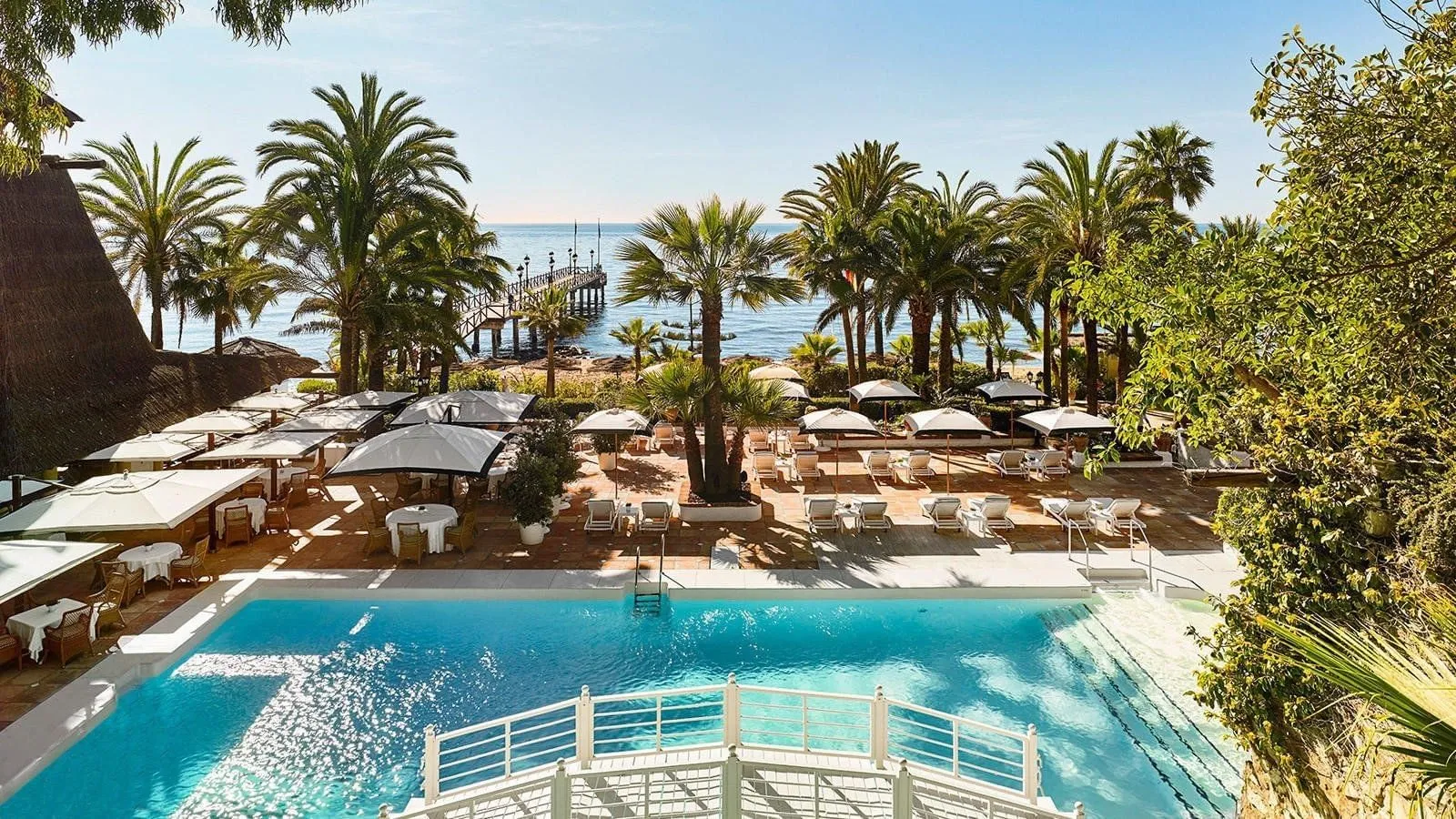
Milla de Oro
A five-star resort on the Golden Mile's beach, with rooms, suites and villas in subtropical gardens, a Beach Club, a Thalasso Spa and a Kids Club.
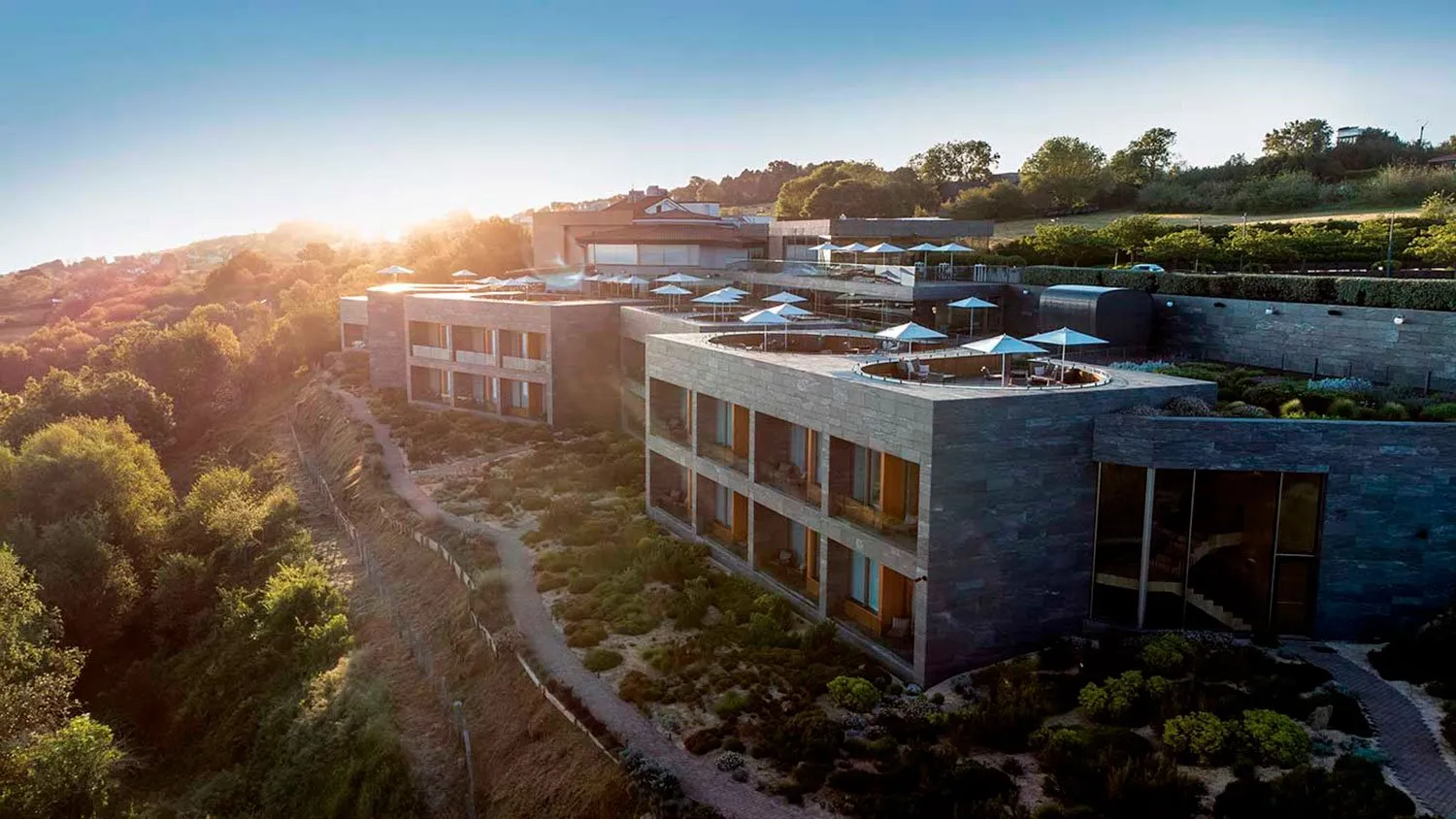
Igeldo
A five-star house of 22 rooms on Monte Igeldo, every one looking out to sea, with Pedro Subijana's restaurant and an adults-only spa.
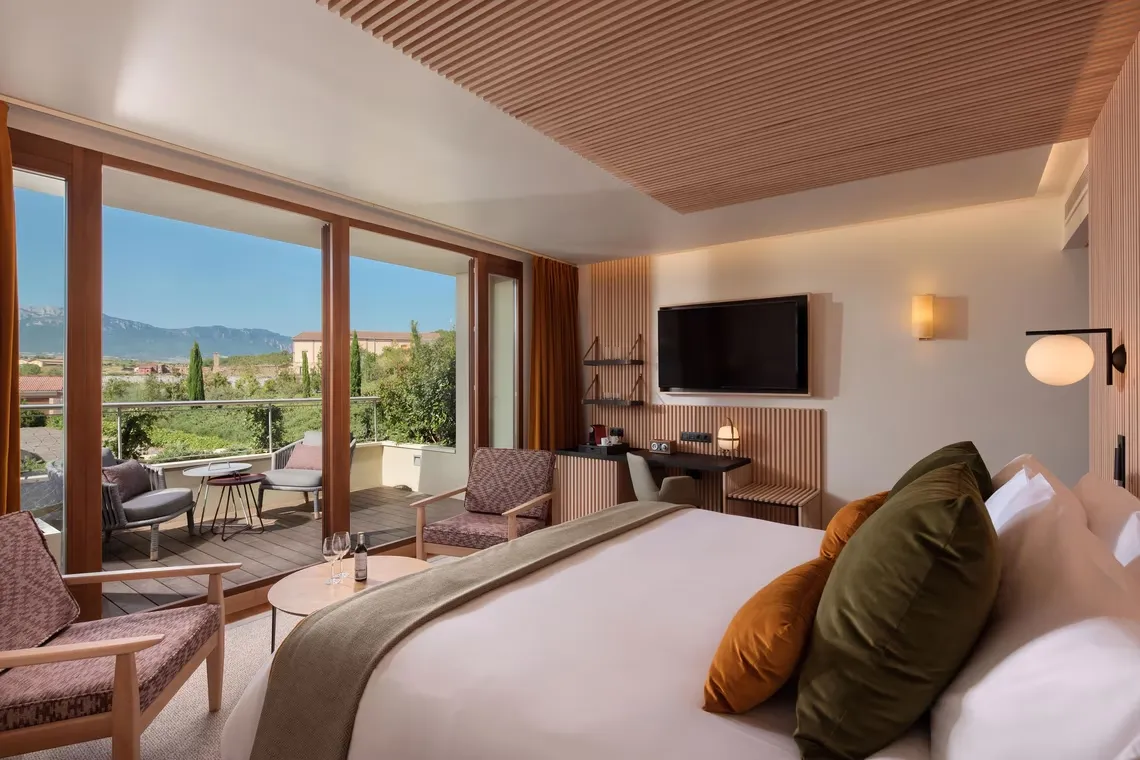
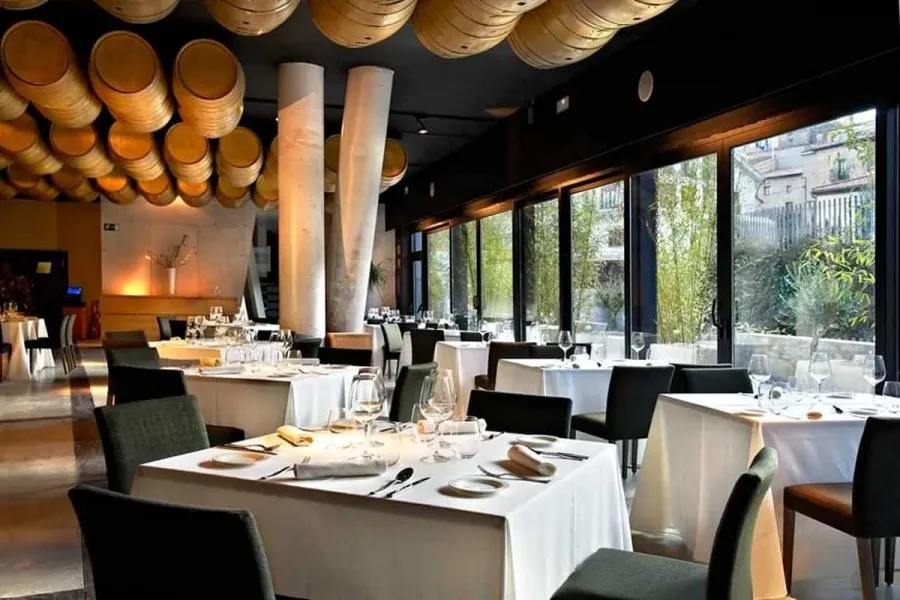
Elciego
Sixty rooms in and beside Frank Gehry's ribboned building, in the grounds of the Marqués de Riscal winery at Elciego.
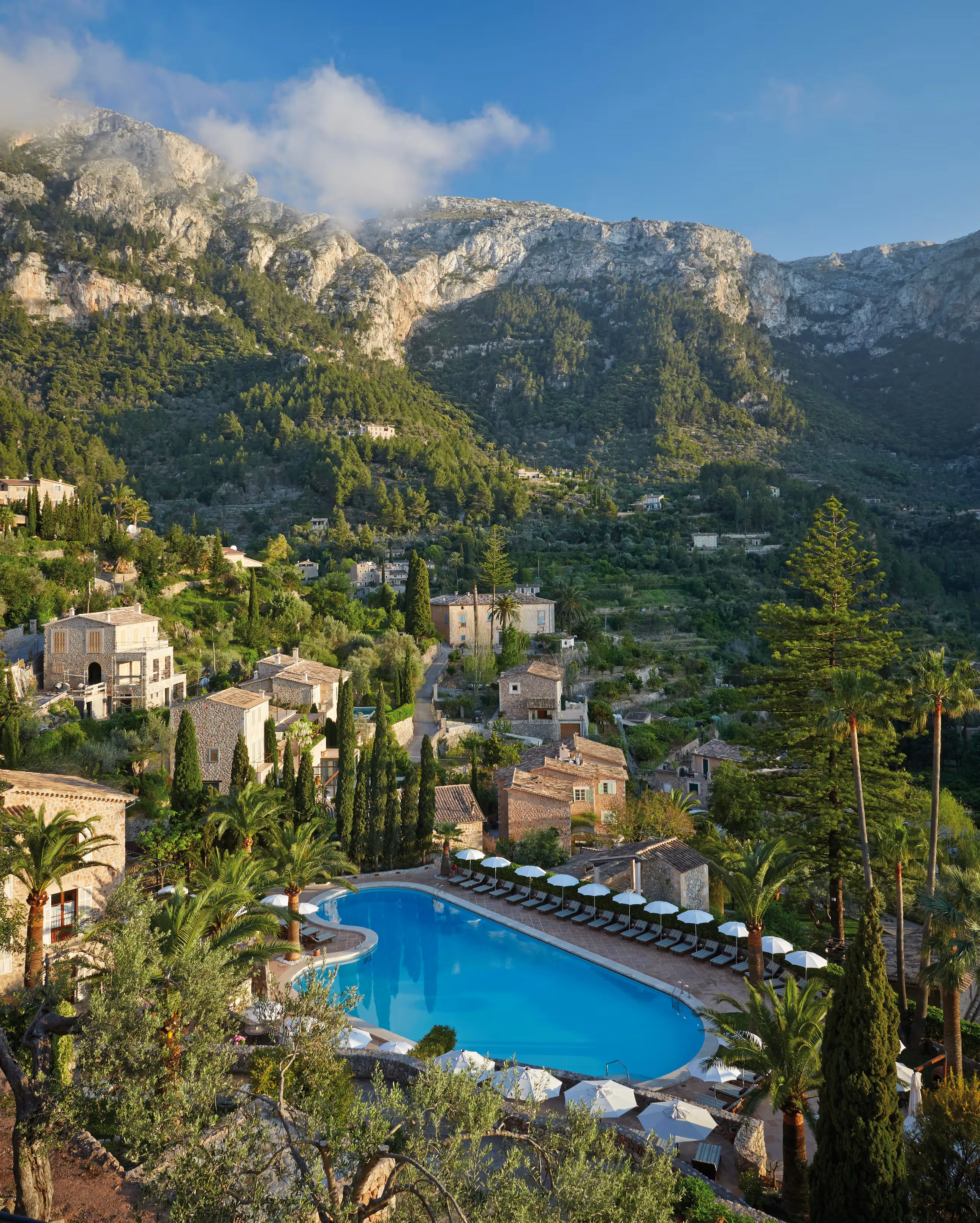
Villabuena de Álava
A four-star house of 33 rooms in stacked concrete cubes on the church square of Villabuena de Álava, with its cellar in an old underground passage.
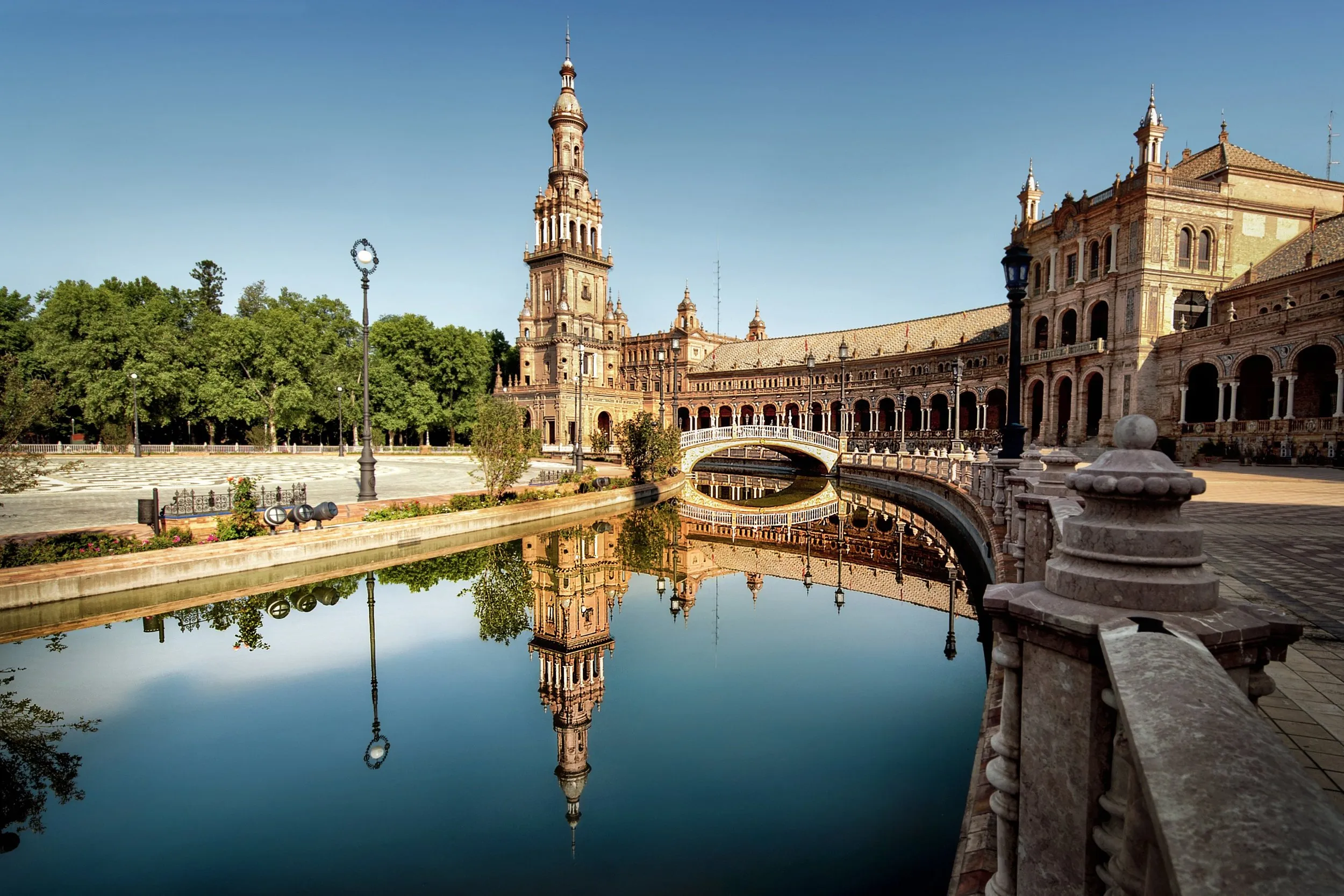
Deià
Twin 16th- and 17th-century manor houses on a Deià hillside, with 67 rooms, a spa, indoor and outdoor pools and an art gallery.
from $27,200 per person
from $16,800 per person
from $9,800 per person
from $13,200 per person
Twelve places to see once in a lifetime, from the Alhambra to Teide.
Small hotels with character, from a Basque hillside to the cliffs of Ibiza.
The grand hotels we recommend, from Madrid and Barcelona to Mallorca.
Where to go, where to stay and what to plan, from Seville to Mallorca.
Al Ándalus, the Transcantábrico and two more, and where each one goes.
Why a trip should be built around you, and what that means in practice.
City guides: Barcelona, Madrid, Seville and San Sebastián. Across Spain: the best wine regions, the most beautiful coastal towns, Spanish gastronomy and the national parks; all our Spain guides and every article in the Explorer.
Tell us your dates and who is travelling. Everything else we can work out together.
Plan your Spain trip Our Spain page
Usually answered within one business day.